

















































































































































































































































































Never Go Back! Harry Kane Gets ‘Is It the Same’ Transfer Advice as Tottenham Return Ruled Out for ‘Legend’ That May Leave Bayern Munich for ‘Somewhere Else in Europe’
Never Go Back? Harry Kane Faces Transfer Question as Tottenham Dream Cools
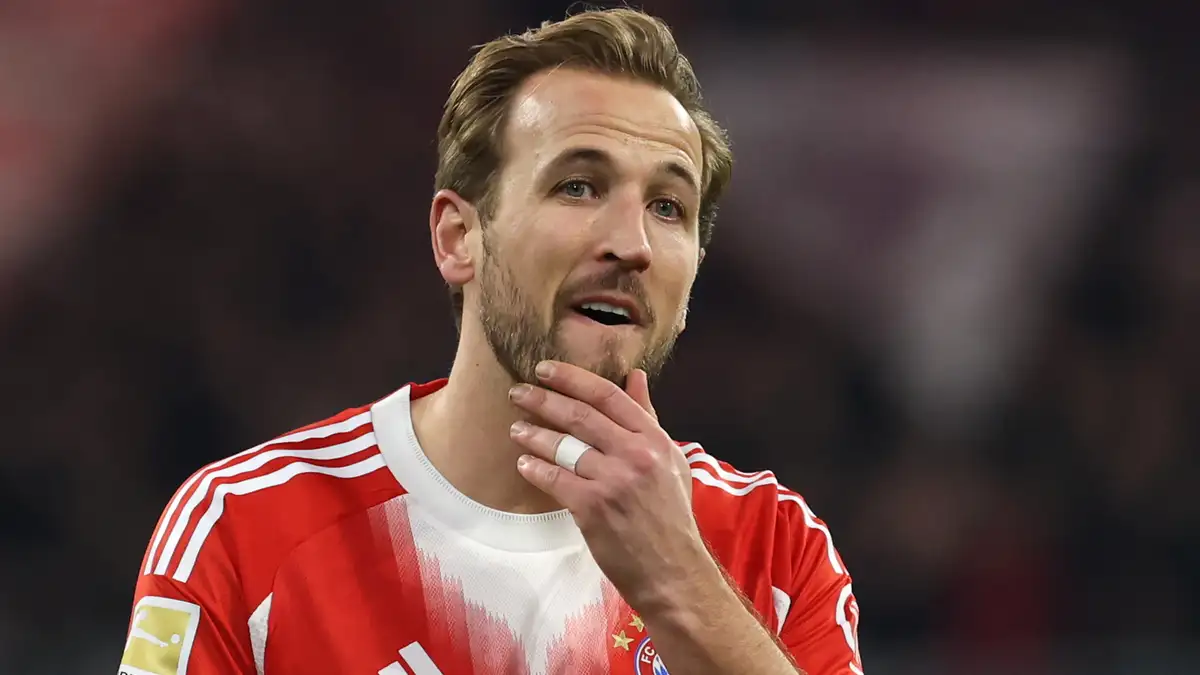
The question surrounding Harry Kane has resurfaced—should a player ever go back to where it all began? Should a footballer revisit the place that made him, shaped him, defined him? At 32, with trophy success finally in his own cabinet and a contract clause that leaves the door ajar, the England captain finds himself at a crossroads once again. A sensational return to Tottenham Hotspur for their most decorated goalscorer has often been whispered, but former Spurs defender Stephen Carr has offered a pragmatic reminder: “Is it ever really the same?”
Those words carry weight; they’re tied to experience, emotion and football reality. Kane is still smashing records and rewriting statistics at Bayern Munich, and the opportunity for another European chapter is more realistic than rewinding time in north London. Yet the speculation naturally bubbles, especially now that it has been revealed that the striker has a release trigger in his contract—one that will inevitably begin conversations in the coming transfer windows.
The Transfer Clause: A Figure That Opens Doors
A fee of £57 million is enough to unlock discussions with Harry Kane. In modern footballing economics, it’s almost modest—especially for a player that still returns extraordinary numbers every season. And that clause does more than allow Bayern to weigh offers; it places Tottenham directly into the story again.
When Spurs sanctioned Kane’s departure in 2023, they ensured they would have first refusal on any incoming bids. At the time, it was an emotional farewell. Kane left as the leading scorer in club history, a generational talent who had given everything for the badge—but who inevitably needed to chase silverware elsewhere. Only now, with medals in Germany, does the question transform: could he come back?
A section of fans romanticise it—Kane walking back into the Tottenham Hotspur Stadium, welcomed like the prodigal son. But football rarely caters to nostalgia.
Spurs Return? Why Harry Kane May Not Head Home

Harry Kane Tottenham
Stephen Carr, speaking to GOAL, keeps a steady perspective. His view is not emotional, not sentimental—simply football logic. Kane is flourishing in Bavaria. His output has remained absurdly consistent, his confidence unwavering, his rhythm unchanged.
“He’s having unbelievable success in Germany,” Carr notes. “He will score goals wherever he goes.”
He’s not wrong. Kane has adapted seamlessly at Bayern. His movement, intelligence and finishing serve any tactical system. He elevates teammates. He still plays like somebody with five seasons ahead of him.
But Carr’s advice comes with an undertone—football is not about replaying old chapters:
“Is it ever the same when a player comes back again? Not really.”
Look at the Tottenham Kane left behind:
– A squad built around him and Son
– A dressing room defined by his presence
– A team emotionally tethered to his goals
That team no longer exists.
The Spurs of today is evolving toward long-term identity building under a younger attacking structure. Kane returning would be seismic, but also destabilising. It would put him in a new environment in the shadow of an old relationship.
Never Go Back: A Theory That Football Often Proves Correct
Many greats have tried to return to what once worked. Rarely does it end beautifully.
Cristiano Ronaldo’s second Manchester United spell.
Fernando Torres returning to Atlético.
Gareth Bale revisiting Real Madrid.
Moments of brilliance? Yes.
But sustained magic? Not quite.
Kane belongs to Tottenham folklore regardless of what he does next. His name is carved into the walls of the club’s history—etched into chants, tributes, memories and statistics. Why risk rewriting that legacy?
Carr is cautious for that very reason:
“He’s a legend there and is still looked at that way.”
What if the return didn’t deliver Premier League titles?
What if the team simply wasn’t ready?
What if a fanbase that adored him suddenly began demanding impossible expectations?
Kane understands football narratives. He understands era shifts. He has nothing left to prove to Tottenham—but Tottenham is already working on a future that does not depend on him.
Kane’s Present Reality: Germany Suits Him
.png?auto=webp&format=pjpg&width=3840&quality=60)
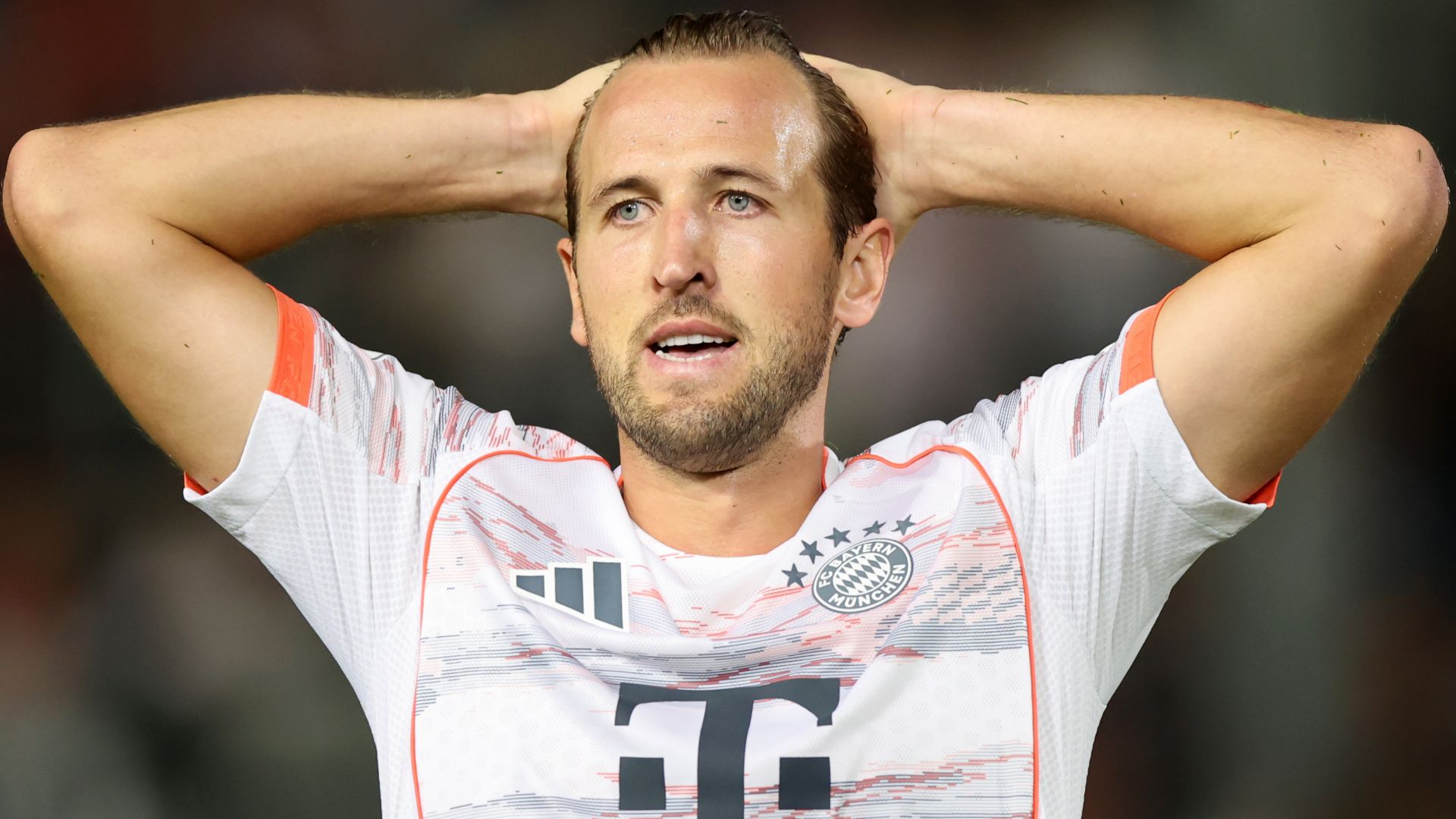
Harry Kane Bayern Munich 2025-26
Life in Bavaria seems remarkably fulfilling for Kane and his family. His wife Kate and their children have settled comfortably, and his professional life is thriving. Bayern offers something Spurs never fully could—title pursuit as a default, not an aspiration.
His record speaks boldly:
– 110 goals
– 117 appearances
– Golden Boot awards
– A Bundesliga title in year one
Everything he was told Bayern would be, Bayern became.
When he speaks publicly, his tone is never restless. There is no coded messaging, no gently-angled hint that he wants a Premier League encore. Instead, there is conviction that Munich is his stage.
His contract runs until 2027, and conversation internally already suggests possible extension frameworks. Bayern are not planning his exit; they’re planning his continuation.
A Move Somewhere Else in Europe?
Carr’s comments point toward possibility rather than closure. Real Madrid have admired Kane longer than most European clubs. Barcelona inevitably lurk around any world-class attacking figure. PSG could easily surface. And if a different European project reached out—with ambition, trophies and Champions League guarantees—would Kane not listen?
Moving within Europe offers:
– continuation of trophy momentum
– new personal challenge
– stability without emotional burden
Returning to England would bring shadows, comparisons, pressure.
Moving elsewhere would bring clarity.
Why Tottenham May Not Make the Call
Tottenham, under Ange Postecoglou, look forward-thinking. Investing in young attackers. Building a high-pressing identity. Structuring long-term development. Signing Kane at 33—despite his greatness—would contradict that plan.
Even financially, a 2-to-3-year move hardly builds for a decade.
And there is something more: Postecoglou is creating a post-Kane leadership culture.
Bringing Kane back resets the ecosystem.
That is not necessarily beneficial, for anyone.
What Comes Next?
Kane will play the 2026-27 season somewhere meaningful. He will chase records still within reach, including England’s international scoring milestones. He will try to lead the Three Lions toward what could be his final World Cup peak. He will continue being football’s most consistent striker.
Whether in Munich or elsewhere, he will score.
And Tottenham will continue evolving.
Legendary Status Does Not Require Return
Sometimes, a departure finalises a legacy rather than weakens it. Kane left Tottenham at the correct moment—before frustration damaged relationships, before stagnation replaced ambition.
Fans understood that.
Club executives respected that.
Kane himself embraced that.
His greatest Tottenham gift was how gracefully he left.
And so perhaps Stephen Carr’s advice resonates because it’s not emotional but realistic:
Never go back—at least, not when the original version cannot exist again.
For Kane, history at Tottenham is already secure. His banner hangs. His records are permanent. His legacy belongs not to a final act, but to all the years that shaped it.
From here, the next chapter is forward—not behind.


There are no comments yet. Be the first to comment!