









































































England Win Staggering Two-Day Test in Melbourne as Ashes Chaos Delivers Bazball Classic
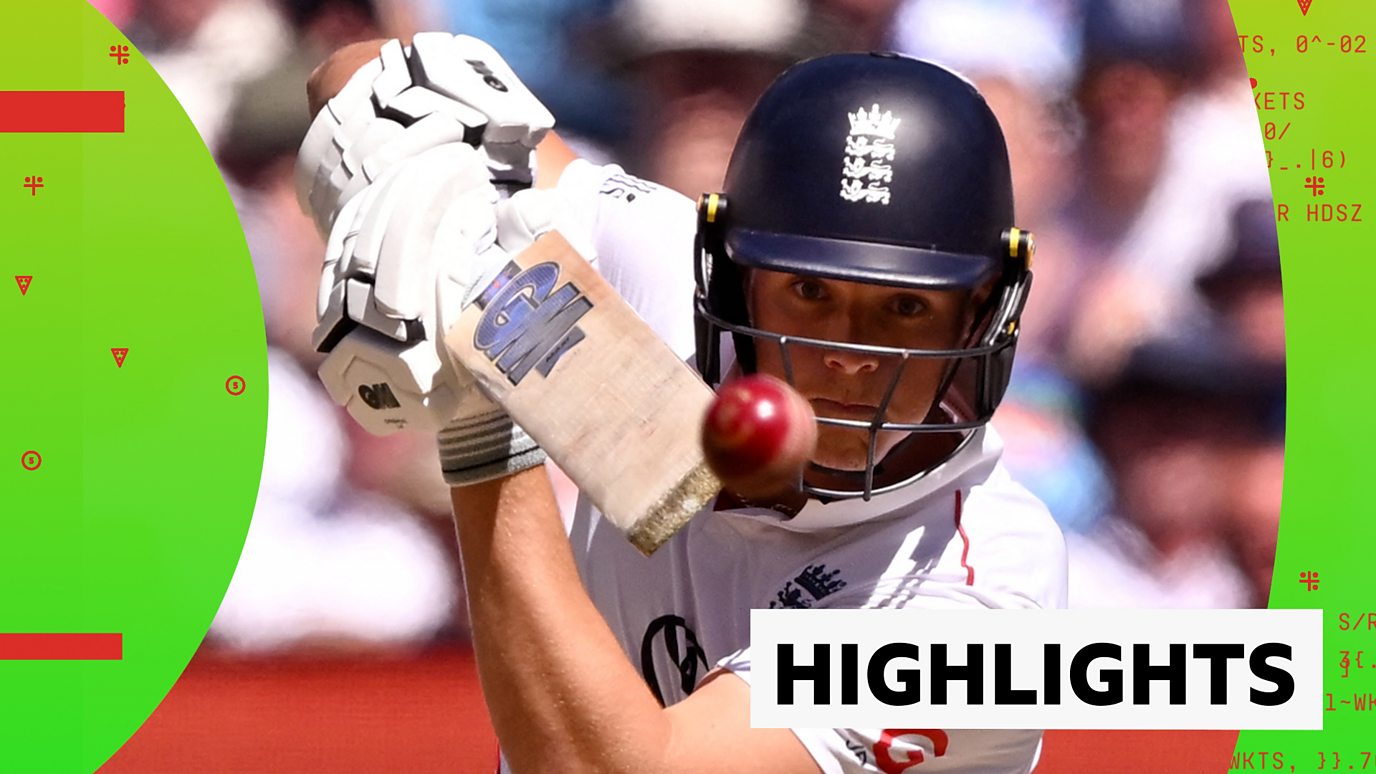
England’s long, painful wait for a Test victory on Australian soil is finally over. In a match that defied logic, rhythm and even tradition, England won a staggering two-day Test in Melbourne, producing one of the most extraordinary Ashes moments of the modern era. The fourth Ashes Test at the Melbourne Cricket Ground was officially scheduled for five days. It barely needed two.
What unfolded was chaotic, frantic, often absurd, but undeniably compelling. England’s four-wicket victory not only ended an 18-match winless streak in Australia, stretching back to 2011, but also ensured this Ashes series would not end in a clean sweep. Australia still lead 3-1, yet this match felt far bigger than a dead rubber avoided.
England Win Two-Day Test in Melbourne Against the Odds
Chasing 175 on the second evening, England completed the job inside just 33 overs, sending travelling supporters into raptures in one corner of the vast MCG. The winning runs, fittingly, came in scrappy fashion — off Harry Brook’s thigh pad — but the roar that followed was deafening.
It was England’s first Test win in Australia in almost 15 years, achieved after they had already surrendered the Ashes inside three Tests. For captain Ben Stokes, coach Brendon McCullum and senior players like Joe Root, it was a release of pressure and a reminder that this team, for all its flaws, can still produce moments of daring brilliance.
The match itself barely resembled a conventional Test. This was the 2,615th Test in history and only the 27th to finish inside two days. Remarkably, until this Ashes series began in Perth, there had not been a two-day Ashes Test since 1921. Now there have been two in the space of five weeks — a statistical oddity that underlines just how strange this contest was.
Ashes Pitch Debate and the Theatre of Chaos at the MCG

Much of the conversation will revolve around the pitch. The surface at the MCG was covered in around 10mm of lush grass, offering extravagant movement from the very first ball. Batting was perilous throughout, with conditions so heavily tilted towards the bowlers that fairness inevitably came into question.
Yet to reduce this Test solely to a pitch debate would be unfair. The quality of bowling was excellent, and the batting — particularly from Australia — was often careless. Test cricket’s great strength has always been its variety, and here the conditions dictated everything. The result may not have been a showcase of technical perfection, but the drama was irresistible.
Nearly 200,000 spectators passed through the gates across two days, and few can claim they were short-changed. While organisers will rue the loss of a third-day sellout, those present witnessed something utterly unique — a Boxing Day Test that burned brightly and briefly.
Bazball Finds the Perfect Stage in Melbourne
If ever there was a pitch designed for England’s “run towards the danger” philosophy, this was it. England had been criticised earlier in the series for failing to adapt their Bazball approach to Australian conditions. In Melbourne, adaptation meant embracing chaos rather than resisting it.
Ben Duckett and Zak Crawley set the tone with a blistering opening stand of 51 in just 6.5 overs — England’s highest opening partnership of the series. Duckett, who has endured a difficult tour both on and off the field, was dropped early by Mitchell Starc and made Australia pay with fearless strokeplay, including a remarkable scoop for six.
Crawley looked increasingly assured, driving and pulling with authority before falling for 37. Duckett’s 34 was invaluable, even if it ended with a brutal Starc yorker.
Perhaps the most astonishing moment came when Brydon Carse walked out at number three. Promoted from number ten as a pinch-hitter, Carse embodied the spirit of the moment. His stay was brief — just six runs — but the intent was clear: England would not retreat.
Jacob Bethell’s innings brought a touch of calm. On Ashes debut, he played with maturity beyond his years, making a composed 40 and sharing crucial partnerships with Crawley and Root. Bethell’s ability to rotate the strike against a deep Australian field proved vital in a low chase.
England Bowlers Lay the Foundations
England’s win was set up by their bowlers earlier on day two. Beginning the morning 46 runs behind, they needed quick wickets — and they got them. Australia were bowled out for just 132 in their second innings, meaning England needed only 175 to win.
Brydon Carse led the way with 4-34, while Stokes contributed 3-24 in a captain’s spell that balanced aggression with control. Josh Tongue finished the match with seven wickets, continuing an impressive series on pitches offering help.
Travis Head’s 46 was the highest score of the match and briefly threatened to tilt the game back towards Australia. A dropped chance by Will Jacks when Head was on 26 felt costly at the time, but Carse returned to bowl him with a delivery of real quality.
Australia collapsed repeatedly, losing clusters of wickets in alarming fashion. Across the match, they were bowled out twice in just 79.5 overs — the fastest they have lost 20 wickets in a Test since Don Bradman’s debut in 1928.
A Victory That Means More Than the Scoreline
In the end, England crossed the line with four wickets to spare. Root, Stokes and Jamie Smith all fell with victory in sight, adding a flicker of tension before Brook’s deflection sealed it.
For all the madness, this was a deeply meaningful win. It gives England belief heading into Sydney and restores a measure of pride after a bruising tour. It also delivers Stokes and Root their first Test win in Australia after more than a decade of trying.
This two-day Test in Melbourne may never be remembered for technical excellence, but it will be talked about for years. Chaotic, absurd and unforgettable, it was a reminder of why the Ashes — even at their strangest — remain cricket’s greatest theatre.


There are no comments yet. Be the first to comment!