







































































ICC Verdict Puts Melbourne Ashes Pitch Under the Microscope
The Melbourne Ashes pitch has long been a symbol of tradition, drama and high summer theatre. Boxing Day at the MCG is supposed to deliver a slow-burning classic, five days of tension, narrative swings and heroic individual performances. Instead, this year’s contest was over almost as quickly as it began – and now the ICC has delivered a verdict that has sent shockwaves through Australian cricket.
The International Cricket Council has officially rated the Melbourne Ashes pitch as “unsatisfactory”, a rare and significant judgment for a venue that prides itself on hosting the game’s biggest moments. After just two days of play and a flurry of falling wickets, the surface at the Melbourne Cricket Ground has been handed one demerit point under the ICC’s pitch monitoring system.
It is the first time since the ICC revamped its pitch assessment criteria two years ago that an Australian surface has been deemed substandard. For a country that has long marketed itself as the guardian of competitive, entertaining Test cricket, the decision carries both symbolic and practical weight.
Why the ICC Rated the Melbourne Ashes Pitch ‘Unsatisfactory’
The raw numbers alone tell part of the story. Thirty-six wickets fell in just six sessions. Twenty batters were dismissed on the opening day, followed by 16 more on day two. Not a single player reached a half-century across both sides, with Travis Head’s gritty 46 in Australia’s second innings standing as the highest individual score of the match.
According to ICC guidelines, a pitch must offer a reasonable balance between bat and ball. In Melbourne, that balance was never found. Seam movement was excessive from the outset, and pace bowlers dominated to such an extent that batting often felt like survival rather than contest.
Match referee Jeff Crowe did not mince his words in explaining the decision.
“The MCG pitch was too much in favour of the bowlers,” Crowe said.
“With 20 wickets falling on the first day, 16 on the second day and no batter even reaching a half-century, the pitch was ‘Unsatisfactory’ as per the guidelines and the venue gets one demerit point.”
Under ICC regulations, venues accumulate demerit points over a rolling five-year period. Six points trigger an automatic 12-month suspension from hosting international cricket. While the MCG is nowhere near that threshold, the symbolism of even a single point is significant for a ground that considers itself the spiritual home of Australian cricket.
Grass, Weather and the Melbourne Ashes Pitch Debate
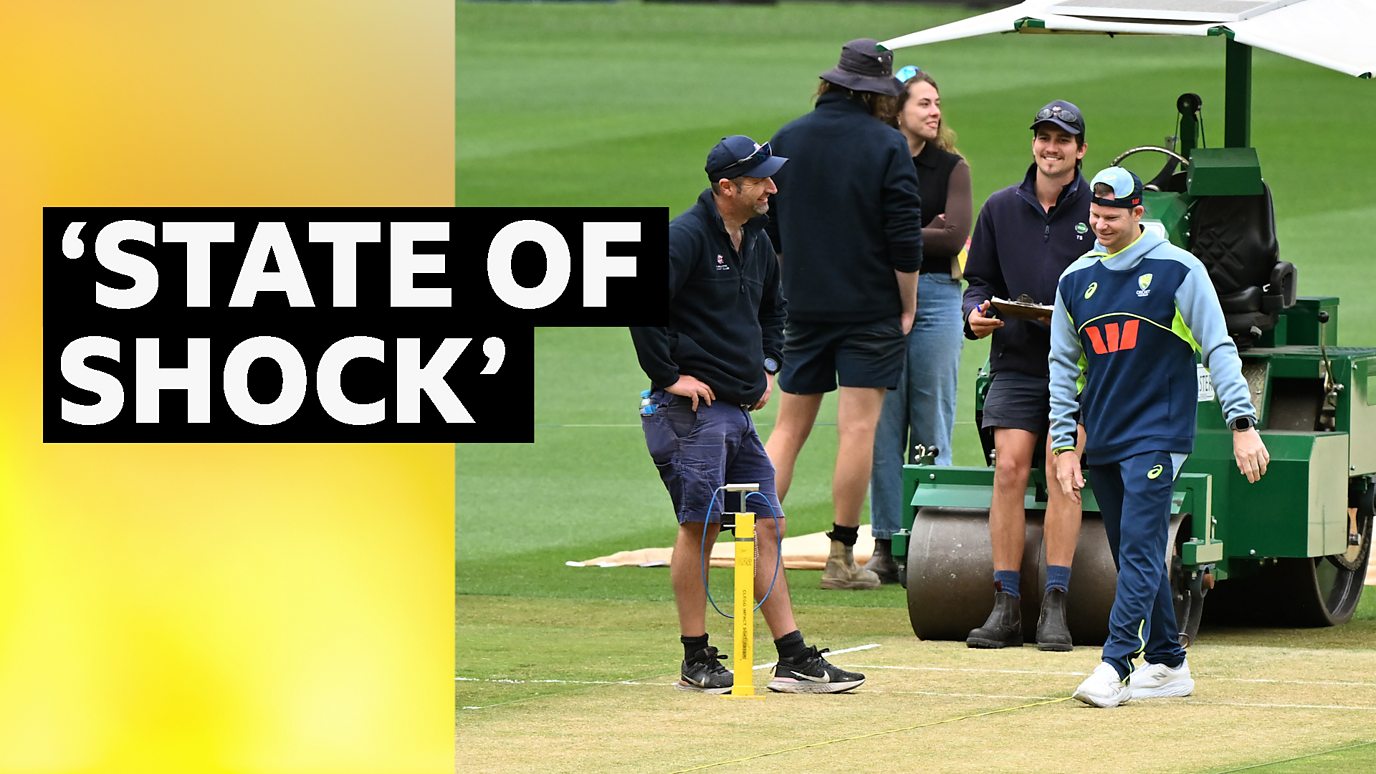
Much of the post-match discussion has centred on preparation. MCG head curator Matt Page left approximately 10mm of grass on the surface, a decision influenced by forecasts of extreme heat later in the match. The intention was to preserve moisture and protect the pitch from breaking up too quickly.
Instead, the grass helped create a surface that came alive from the first over. The ball nipped, seamed and deviated sharply, often unpredictably. For batters on both sides, footwork was tentative, and survival instincts kicked in almost immediately.
Page admitted afterwards that he was stunned by how the pitch played out.
He described being in a “state of shock” as wickets continued to tumble, particularly during a frenetic opening day that left the contest lurching towards an early conclusion. England eventually chased down their target to win by four wickets, but even the victorious side looked uncomfortable for long periods.
The ICC’s ruling suggests that, regardless of intent, the end result crossed the line from competitive to excessive.
Comparisons With Perth and a Tale of Two Two-Day Tests
Context matters, and the ICC has been keen to point out that not every short Test match automatically leads to criticism. Earlier in the same Ashes series, the opening Test in Perth also finished inside two days. However, that pitch was rated “very good”, with officials concluding that batter error – rather than surface conditions – was the primary reason for the rapid collapse.
That contrast has sharpened the focus on Melbourne. Two matches of similar length, two vastly different assessments. One praised for encouraging attacking cricket and rewarding skill; the other penalised for tilting too far towards the bowlers.
For the ICC, the distinction is crucial. It reinforces the message that time alone is not the deciding factor, but rather how the pitch behaves and whether it allows players a fair chance to execute their skills.
The Melbourne Ashes Pitch and a Troubled Recent History
While this is the first substandard rating for an Australian pitch under the current ICC system, the MCG has not been immune to criticism in the past.
In 2017, a drawn Boxing Day Test was widely condemned for being too flat. Only 24 wickets fell across five days, producing a contest low on drama and urgency. That surface was rated “poor” and sparked widespread debate about whether Melbourne had lost its edge as a Test venue.
A year later, when India secured a historic victory at the MCG, the pitch received an “average” rating. While that match delivered compelling cricket, concerns lingered that the surface lacked a clear identity.
Seen through that lens, this year’s Melbourne Ashes pitch was, in part, an attempt to correct past mistakes – an effort to inject life and energy into a surface that had previously been accused of being dull. The ICC’s verdict suggests that, this time, the correction went too far.
Australia Backs Its Curator Despite ICC Call
Before the ICC’s announcement was made public, Australia head coach Andrew McDonald moved to defend Matt Page, urging critics to view the situation with nuance and perspective.
“He does an outstanding job,” McDonald said.
“The perspective that I always use is that we have bad Test matches as well. We had a bad Test match the first Test match last summer.”
McDonald framed the pitch as part of a longer journey, shaped by lessons learned from previous criticism rather than a one-off failure.
“Sometimes these things can happen, but we support him in what he’s done and are really proud of the evolution of the MCG,” he added.
“Hopefully people can have some context around where he’s been on the journey and support him for the next challenge that he faces.”
It was a measured response, one that acknowledged the ICC ruling without turning it into a public reckoning.
What the ICC Decision Means for Future Melbourne Ashes Tests
In practical terms, the damage is limited. One demerit point does not threaten the MCG’s status as a premier international venue. Symbolically, though, the ruling carries weight. It serves as a reminder that even the most iconic grounds are subject to scrutiny.
For future Melbourne Ashes Tests, the challenge will be familiar but delicate: produce a pitch that offers pace, carry and movement without overwhelming the contest. Five-day cricket thrives on balance, not extremes.
The Boxing Day Test will always attract global attention, and with that comes heightened expectations. This year’s match delivered drama, controversy and conversation – just not in the way many had hoped.
As the dust settles, the Melbourne Ashes pitch will be dissected, debated and eventually rebuilt. The ICC has spoken, but the final judgment will come next summer, when players once again take guard at the MCG, hoping for a surface that tells its story over days rather than hours.


There are no comments yet. Be the first to comment!