

















































































Liam Rosenior Draws a Line in the Sand as New Chelsea Boss Amid Boardroom Tensions
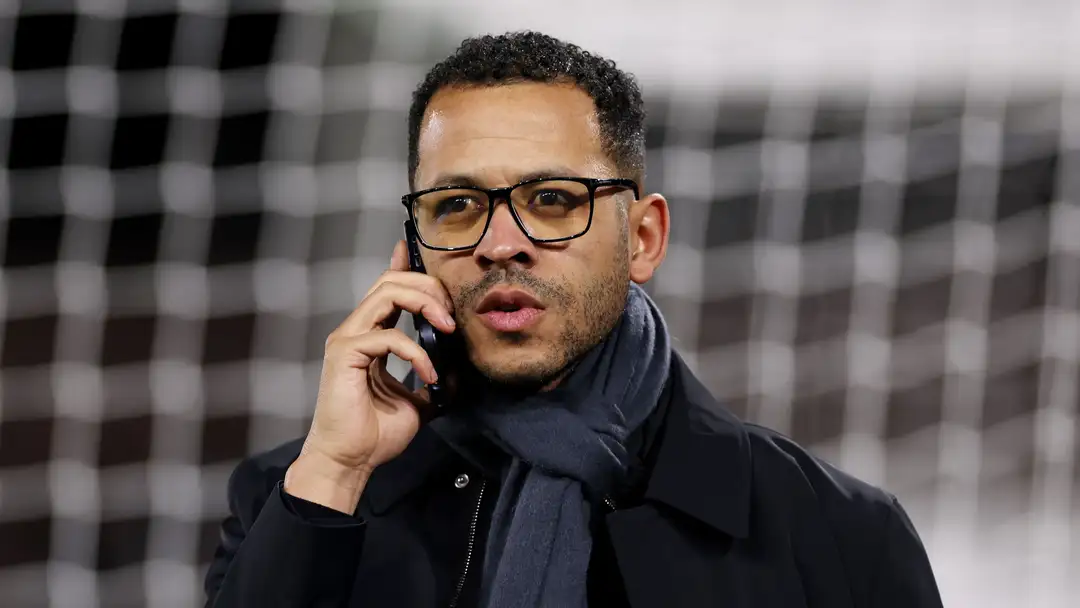
Liam Rosenior has wasted little time asserting his authority at Chelsea, insisting he will be the one making football decisions at Stamford Bridge despite growing chatter about a power struggle behind the scenes. Appointed following Enzo Maresca’s acrimonious exit, the former Strasbourg head coach arrives in west London under intense scrutiny, with critics questioning whether he is merely another head coach operating under the tight grip of Chelsea’s ownership structure.
Yet, speaking calmly and confidently ahead of Chelsea’s FA Cup third-round trip to face Charlton at The Valley, Rosenior made it clear that he has no intention of being a figurehead manager. In his own words, he is there to lead — and to decide.
Liam Rosenior Addresses Chelsea Power Struggle Head-On
Rosenior’s first press conference as Chelsea boss carried more weight than most. It was not just about tactics, team selection, or the FA Cup; it was about control, credibility, and trust.
“I don’t think it’s possible to ever be in this job and not be your own man,” Rosenior said. “People will see through you straight away. I will make the decisions at this football club. That’s why I’ve been brought in.”
The 40-year-old is acutely aware of the narrative forming around his appointment. His previous experience working under BlueCo ownership at Strasbourg has led some to label him as a coach willing to align with boardroom strategy rather than challenge it. Rosenior, however, rejects that framing entirely.
“I understand what’s being said in the press,” he continued. “But there’s no way you can be successful as a manager if you don’t make decisions for yourself. I’ve worked in this setup before. At Strasbourg, the support was excellent, and we had real success. I intend to work exactly the same way here.”
It was a measured response, but one designed to draw a clear boundary: collaboration, yes — subservience, no.
From Hull to Strasbourg to Chelsea: Rosenior’s Unusual Path
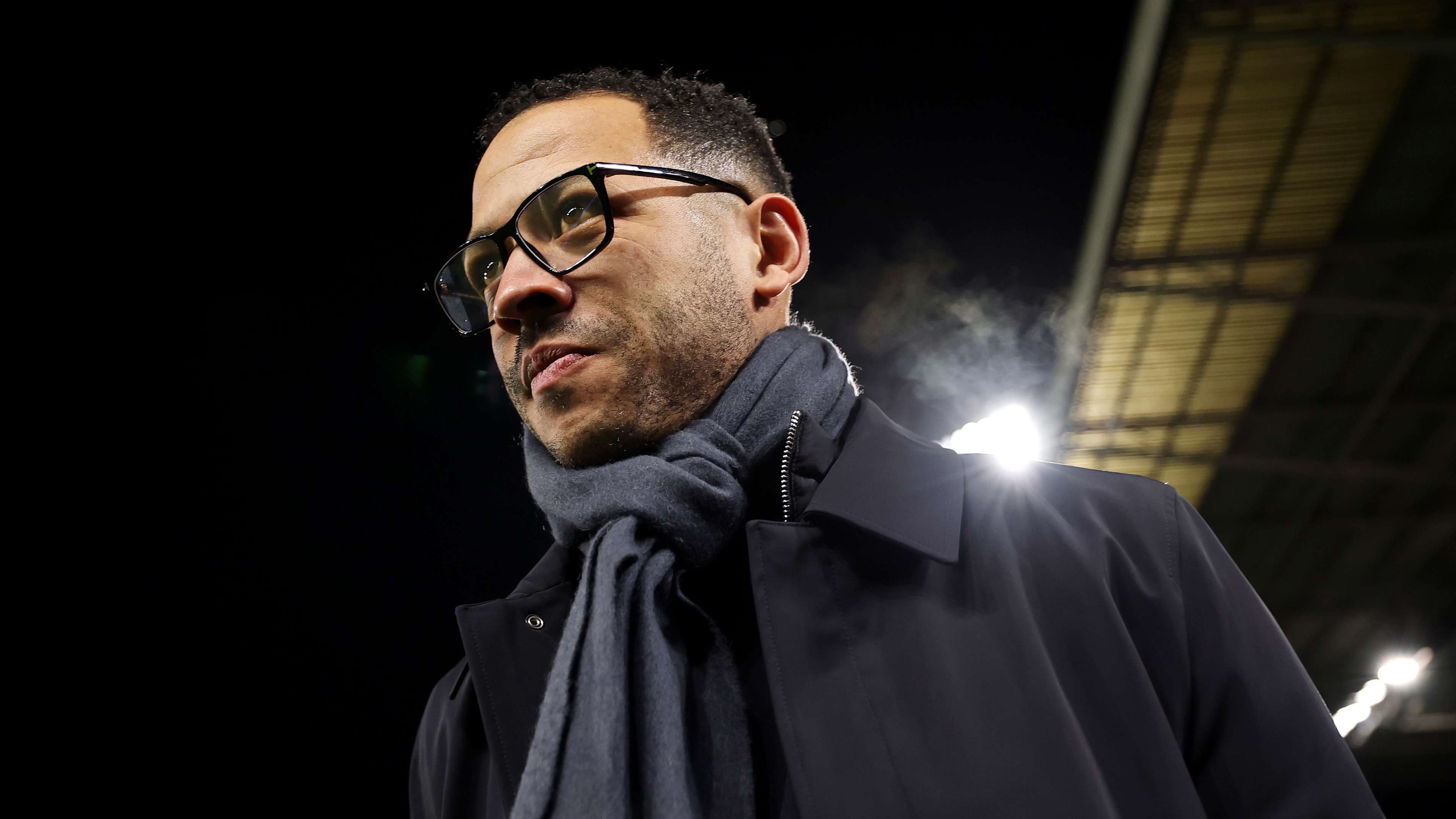
Fulham v Chelsea – Premier League
Rosenior’s journey to one of the most demanding jobs in English football has been anything but conventional. A former Premier League defender with Fulham, Reading, Hull and Brighton, he transitioned into coaching quietly, first working alongside Wayne Rooney at Derby County.
At Derby, Rosenior gained invaluable experience in a challenging environment, before stepping up as interim boss and then earning his first permanent managerial role at Hull City. His time with the Tigers was marked by promise rather than silverware. Hull flirted with the Championship play-offs, narrowly missing out, but Rosenior’s progressive style earned plaudits.
Despite that, he was dismissed — a decision that raised eyebrows at the time. It would prove a turning point.
A move to Strasbourg followed, where Rosenior inherited a young, developing squad under the same BlueCo ownership that now controls Chelsea. In Ligue 1, he impressed, guiding Strasbourg to a seventh-place finish and securing qualification for the Europa Conference League. It was a campaign that highlighted his ability to develop talent, manage expectations, and work within a structured ownership model.
That success in France is a major reason Chelsea turned to him — but it also explains why scepticism has followed him to London.
Chelsea, BlueCo and the Question of Autonomy
The backdrop to Rosenior’s arrival is Enzo Maresca’s abrupt and tense departure. While the club have remained tight-lipped about the exact reasons, it is widely understood that disagreements over control, recruitment, and long-term strategy played a major role.
Chelsea’s ownership model has already seen multiple head coaches come and go, each navigating a complex web of sporting directors, recruitment teams, and performance analysts. The fear among supporters is that Rosenior, despite his assurances, could find himself constrained in similar ways.
Rosenior, though, sees it differently.
“The key thing is alignment,” he explained. “If everyone understands the direction and respects each other’s roles, it works. That’s what I’ve experienced before.”
It is a diplomatic stance — neither confrontational nor submissive — but one that will be tested quickly.
FA Cup at Charlton: A First Chelsea Test
Chelsea’s FA Cup tie against Charlton may not look glamorous on paper, but it represents Rosenior’s first chance to set the tone. The competition has historically offered Chelsea both redemption and frustration, and with league form faltering, the cup carries added importance.
Rosenior will be judged not just on the result, but on the approach: team selection, intensity, and whether Chelsea look like a side rediscovering purpose.
“It’s a big club, with big expectations,” he said. “You don’t get time to ease into it. That’s part of the challenge I enjoy.”
Chelsea’s Season Unravelling?
At the start of the campaign, Chelsea were tipped by some as outsiders for the Premier League title. A solid opening run, capped by a gritty 1-1 draw away to Arsenal — achieved with 10 men — fuelled optimism that the Blues were finally finding consistency.
That optimism has since evaporated.
Since late November, Chelsea’s form has collapsed. They now sit 18 points behind Arsenal, outside the European qualification places, and alarmingly adrift of the league’s pace-setters. Even more concerning for supporters is the fact that clubs like Brentford and Newcastle — sides who were recently battling relegation — have overtaken them.
The slide has exposed familiar issues: lack of cohesion, defensive fragility, and an inability to control matches. It is a scenario Rosenior has inherited rather than created, but one he must urgently arrest.
Winning Over a Sceptical Fanbase
Chelsea supporters are no strangers to managerial change, but patience is wearing thin. Many fans are unconvinced by another reset, another project, another promise of long-term vision.
Rosenior understands the mood.
“I know results are what matter,” he said. “You earn trust by what the team does on the pitch.”
Stopping the slide down the Premier League table will be his immediate priority. Longer-term, he must prove that his words about autonomy are matched by actions — in selection, tactics, and squad management.
For now, though, Rosenior has made his position clear. He is not at Chelsea to simply implement instructions. He is there to lead, to decide, and to put his stamp on a club desperately searching for stability.
Whether Chelsea allow him the space to do that may ultimately define not just Rosenior’s tenure — but the club’s direction for years to come.


There are no comments yet. Be the first to comment!