










































































































































Barcelona at the Ballot Box: Joan Laporta, Power Plays and a Presidential Election That Has Split the Club
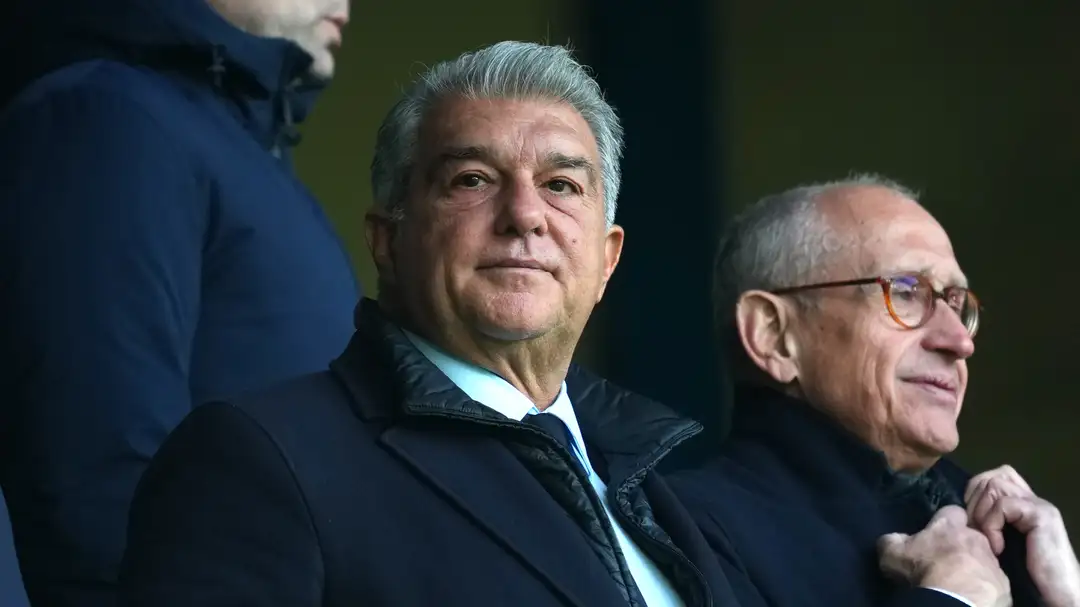
At FC Barcelona, politics has always been as inseparable from football as the blaugrana shirt itself. Presidents are not just administrators; they are symbols of identity, power and direction. That is why Joan Laporta’s decision to call the next Barcelona presidential election before the end of the season has landed with such force — and sparked accusations of opportunism from his rivals.
With Barça fighting on multiple fronts in LaLiga and the Champions League, Laporta’s timing has been questioned, criticised and fiercely debated. For some, it is a smart move made from a position of strength. For others, it is a cynical gamble that places politics above sporting stability.
What is certain is that Barcelona’s election season has begun earlier — and louder — than many expected.
Joan Laporta and Barcelona’s unique democratic model
Barcelona remain one of the few elite clubs in world football still owned by their members, the socios. Every five years, those members are given the right to vote for a president who will oversee the club’s sporting, financial and institutional future.
Joan Laporta returned to power in 2021, stepping back into the role he previously held between 2003 and 2010. Under the club’s statutes, he is required to call elections before the end of June 2026. The rules, however, allow flexibility: elections can be held anytime between mid-March and mid-June.
Laporta has chosen the earliest possible date.
On March 15, 2026, Barcelona’s members will head to the polls — while the team is still deep in the season, potentially in the knockout stages of the Champions League and pushing for domestic silverware.
A statement published on the club’s official website confirmed the decision:
“The Board of Directors has agreed to call elections for the club presidency on Sunday 15 March 2026. In the coming days, and in accordance with the deadlines established in the FC Barcelona Statutes, the official call will be published, including the schedule and all details of the electoral process.”
The announcement may have been formal in tone, but the reaction was anything but.
Presidential election timing sparks backlash
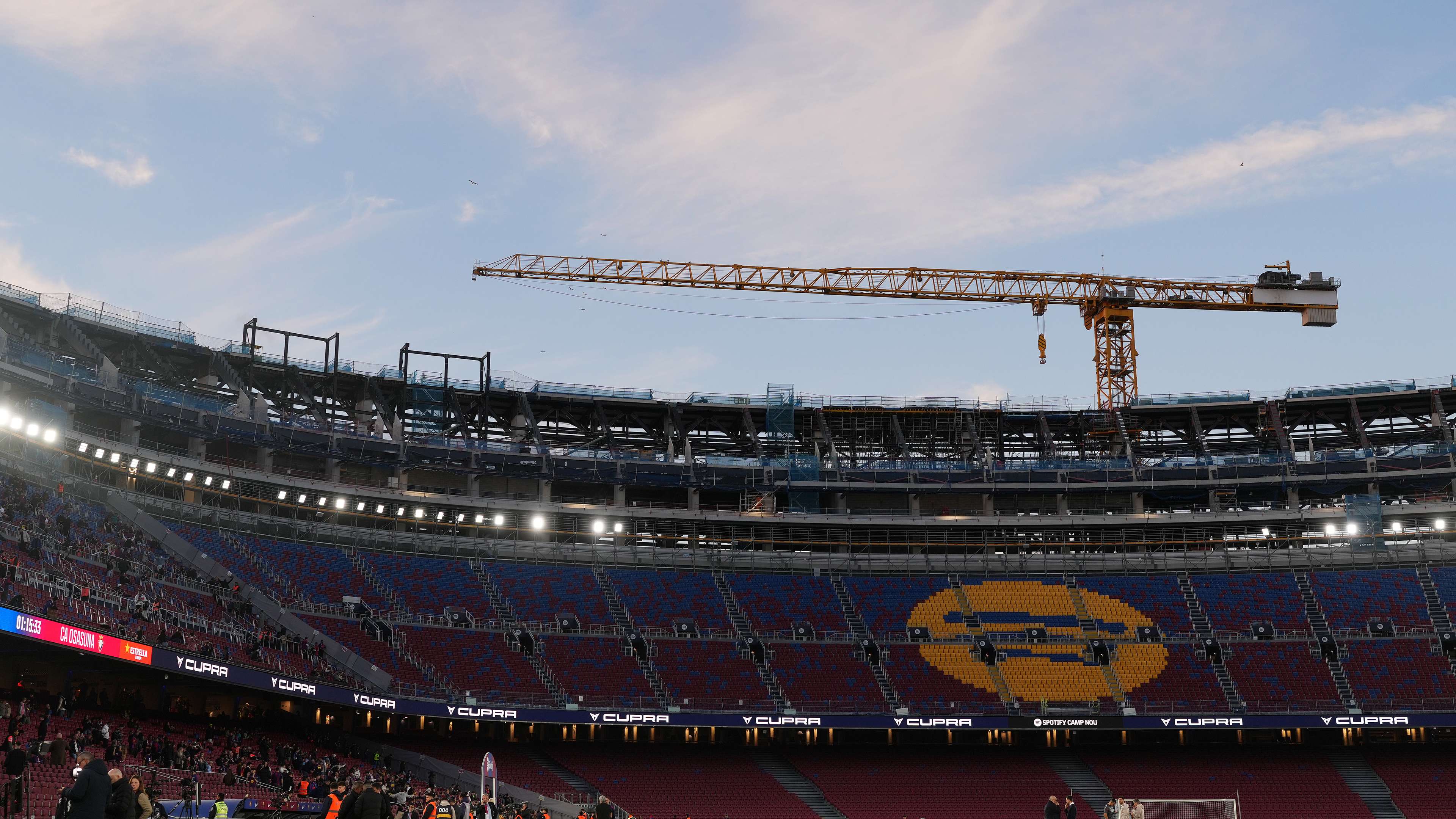
FC Barcelona v CA Osasuna – LaLiga EA Sports
Laporta will stand for re-election, but he will not do so unchallenged. Victor Font, Marc Ciria, Xavier Vilajoana and Joan Camprubí have all declared their intention to run. And almost immediately, criticism followed.
Marc Ciria was among the most vocal, accusing Laporta of deliberately choosing a moment that suits his own interests.
“We already expected Laporta to take advantage of an opportunistic moment to call the elections,” Ciria told SPORT. “Yes, the statutes allow it. But the normal thing would have been to wait until the season was over, without all this noise while teams are fighting for titles.”
For Ciria and others, the issue is not legality but responsibility. Calling elections while the first team is competing in decisive matches, they argue, risks creating unnecessary distractions at a critical point in the campaign.
‘He doesn’t care’: Laporta accused of opportunism
Victor Font, who ran against Laporta in the 2021 election, did not hold back either. In his view, the timing tells its own story.
“It’s obvious these elections have been called when it suits Laporta,” Font said. “He doesn’t care about holding elections in the middle of a Champions League tie. We expected this. We’re not surprised.”
The implication is clear: Laporta is striking while the iron is hot.
Barcelona currently sit top of LaLiga, fresh from defeating Real Madrid in the Supercopa de España final. They are also strongly positioned to reach the Champions League last 16, with Copenhagen due to visit Spotify Camp Nou.
Momentum, optimism and results are all on Laporta’s side — at least for now.
Critics believe he is capitalising on that feel-good factor before any potential setbacks derail the narrative.
Barcelona, the Champions League and political noise
The decision to hold elections during a Champions League knockout phase is what has unsettled many observers. Historically, Barcelona presidents have preferred to keep electoral campaigns away from decisive sporting moments, allowing football to take centre stage.
Font insists that the stakes go far beyond one election.
“These are extremely important elections for the future of Barça,” he said. “This is about returning the club fully to its members.”
There is also concern about logistics and accessibility. If March 15 coincides with a home match — rumours suggest a possible fixture against Sevilla — Font has demanded that the game be reserved exclusively for members, with ticket prices kept to a minimum.
“Participation must be encouraged,” he said. “Members without season tickets cannot be discriminated against.”
In other words, democracy should not be priced out.
Laporta’s calculation: success as a campaign tool
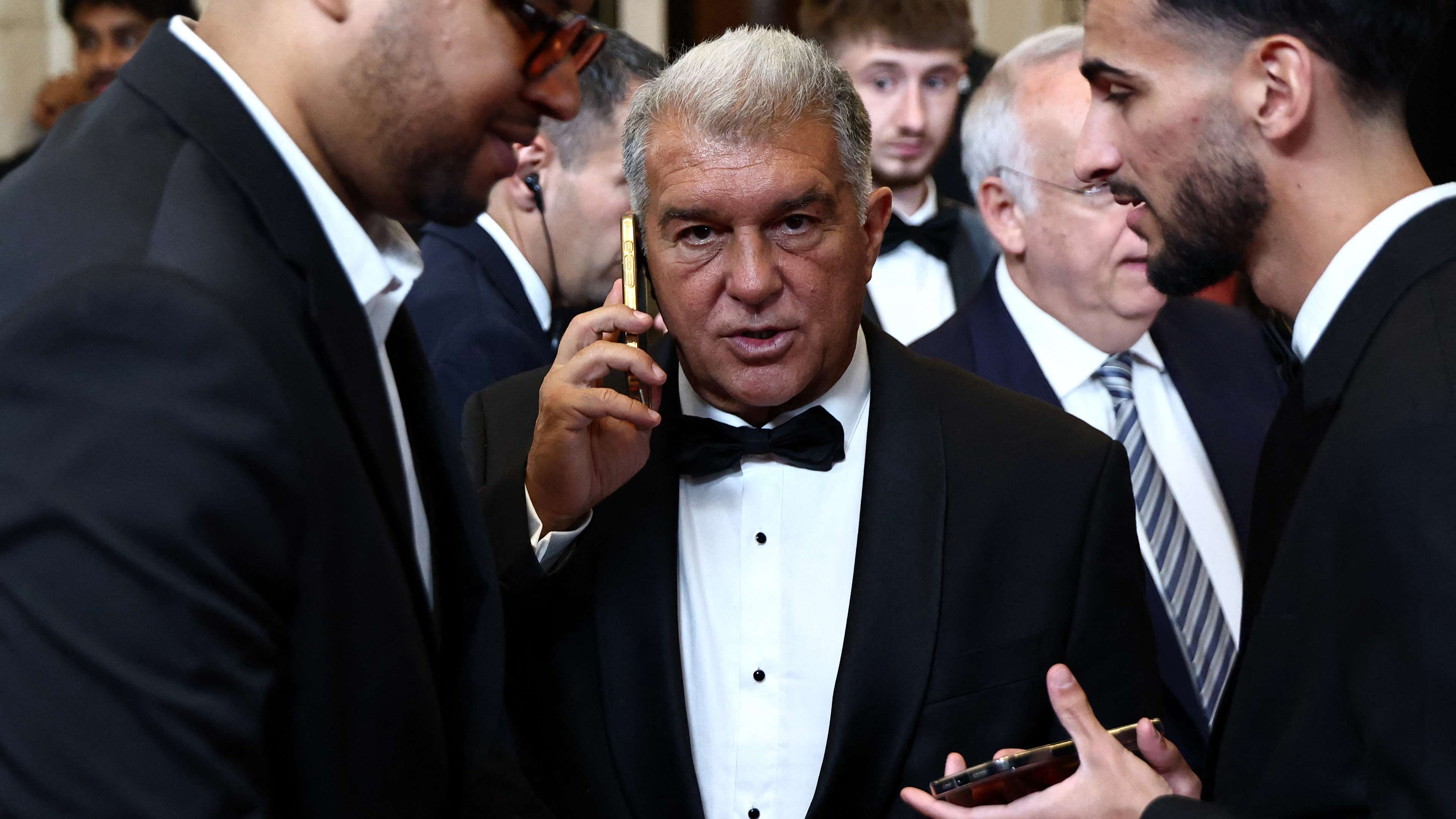
From Laporta’s perspective, the strategy is obvious — even if unspoken. Success sells. Winning matches, lifting trophies and restoring pride to Barcelona are powerful campaign messages.
Since returning to the presidency, Laporta has overseen drastic financial restructuring, controversial “economic levers” and a renewed focus on sporting competitiveness. While not universally praised, the current trajectory has restored belief among large sections of the fanbase.
Calling elections now allows Laporta to frame his campaign around progress rather than unfinished business. Waiting until June would introduce risk: a dip in form, early European elimination or internal unrest could all change the mood.
Politics, after all, is about timing as much as substance.
A familiar Barcelona tension
This clash between sporting ambition and institutional politics is nothing new at Barcelona. The club’s history is filled with elections held amid turbulence, triumph and transition.
What makes this moment different is the fragile balance Barcelona are still trying to maintain. Financial wounds have not fully healed. Squad rebuilding remains ongoing. And the club’s long-term direction is still contested.
By accelerating the electoral process, Laporta has ensured that those debates will unfold publicly — and loudly — while the team is still fighting on the pitch.
Whether that strengthens or undermines Barcelona remains to be seen.
The road to March 15
Over the coming weeks, campaigns will take shape, promises will be made and old arguments will resurface. Laporta’s rivals will push the narrative of opportunism and distraction. Laporta, in turn, will point to trophies, league position and stability.
For the members, the challenge will be separating footballing emotion from long-term judgment.
Barcelona are winning again. The stadium feels alive. The Champions League anthem still echoes through Camp Nou nights. But elections are about more than the present moment.
As March 15 approaches, Barça find themselves in a familiar place — torn between the urgency of now and the responsibility of tomorrow.
And once again, the club’s future will be decided not just by goals and glory, but by ballots and belief.


There are no comments yet. Be the first to comment!