













































































































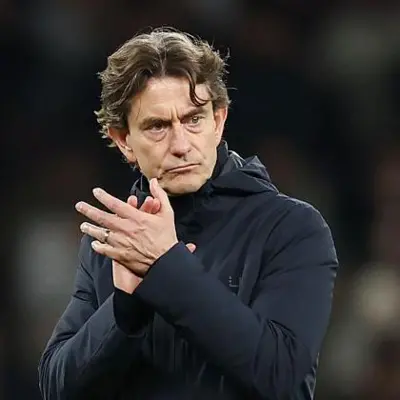
Why Thomas Frank’s Gamble at Spurs Ended in Bitter Failure
Thomas Frank’s move to Tottenham Hotspur was a calculated risk — by the club and by the manager himself. It ended not in triumph, but in bitterness, boos, and disconnect, as Spurs parted ways with their head coach after a joyless and turbulent spell in charge.
The popular Dane left the structure and unity of Brentford for the high-pressure cauldron of north London, where even winning the Europa League last season hadn’t been enough to save Ange Postecoglou. Frank was tasked with overhauling a broken squad and fractured culture — and it overwhelmed him.
“He started so well,” said Eddie Howe. “But that kind of pressure is very difficult to handle.”
No Identity, No Impact
Despite winning his first two Premier League games, including a surprise victory at Manchester City, Frank quickly lost momentum. His Spurs side lacked identity, producing a muddled mix of tactics and no clear playing philosophy.
Notably poor showings — including a 0.07 xG performance in a 4-1 loss to Arsenal and a 0.1 xG showing in a 1-0 home defeat to Chelsea — became defining moments. The conservative approach drew widespread criticism from fans and pundits alike.
“It was damage limitation,” one fan wrote after the Arsenal loss. “That’s not Tottenham.”
Recruitment Woes & Injuries
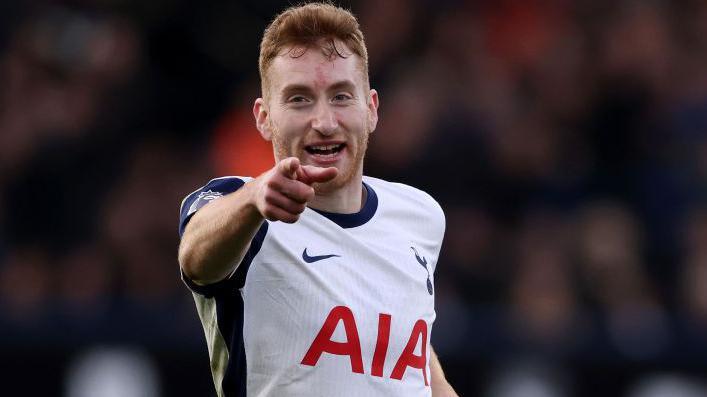
Dejan Kulusevski’s long-term knee injury robbed Frank of a crucial attacking weapon
Frank’s plans were derailed by a string of injuries and transfer failures:
-
Dejan Kulusevski never featured due to knee surgery.
-
James Maddison tore his ACL in pre-season.
-
Dominic Solanke, Kudus, and Richarlison were all sidelined long-term.
-
Spurs missed out on Eberechi Eze to Arsenal and failed to land Morgan Gibbs-White despite advanced talks.
Frank’s inability to adapt or find solutions was a key criticism. The absence of attacking cohesion and poor service to the forwards only magnified the team’s failings — despite leading the Premier League in crosses (637), Spurs were among the worst in crossing accuracy (21.5%).
Romero, Fans & Fractured Control
Appointing Cristian Romero as captain was another misstep. The fiery Argentine received two red cards and clashed with the club hierarchy — denting Frank’s authority early on.
Fan relations also soured rapidly. Frank’s post-match lap of honour backfired after a 0-0 draw with Brentford, and he was booed heavily at the Gtech on New Year’s Day. Defenders Djed Spence and Micky van de Ven even refused to participate in the lap after a loss to Chelsea — sending a poor message about the manager’s control.
“You can’t build bonds without wins,” remarked one club insider. “It all unraveled too fast.”
Frank even faced ridicule after being filmed drinking from an Arsenal cup — a harmless gaffe that quickly went viral and deepened fan frustration.
Final Disconnect
Frank publicly called out fans for booing goalkeeper Guglielmo Vicario after a loss to Fulham, labeling their behavior “unacceptable.” While meant to show loyalty to his players, the move alienated more supporters and highlighted his growing isolation.
Frank’s departure from Spurs is a stark contrast to his beloved spell at Brentford. There, he was adored for his clarity, communication, and results. At Spurs, he faced a fanbase unconvinced by his pedigree, a fractured squad, and no time to build trust.


There are no comments yet. Be the first to comment!