


















River Plate Boycott Argentine FA as Buenos Aires Giants Hit Out at “Unclear” Rules
River Plate Withdraw From Argentine FA Executive Committee Amid Tax Evasion Investigation
Argentine football has rarely been short of drama, but the latest confrontation between River Plate and the Argentine Football Association has added another chapter to the sport’s long-running political saga.
In a move that surprised many across South American football, River Plate announced that they are boycotting meetings of the AFA Executive Committee, citing what they described as a lack of transparency, vague procedures, and “unclear” rules governing decision-making within the federation.
The decision arrives at a delicate moment for Argentine football. The governing body itself is under intense scrutiny after federal authorities opened an investigation into an alleged tax evasion scheme worth billions of pesos. At the same time, professional clubs across the country have launched a strike in protest against the probe.
Yet River Plate have taken a different approach. Instead of joining the strike, the Buenos Aires giants have chosen to distance themselves from the leadership of the federation, stepping away from executive discussions until governance standards improve.
For many observers, the move represents more than just a protest. It signals a deeper struggle over how Argentine football should be managed in the future.
River Plate Boycott Argentine FA Leadership Structure
The decision by River Plate to boycott the AFA’s executive meetings was confirmed on Thursday in an official statement issued by the club.
Led by club president Stefano Di Carlo, River declared that they would no longer participate in meetings of the Executive Committee until major changes are made to the way decisions are conducted.
The statement criticised what the club sees as an inconsistent and poorly structured process inside the governing body.
According to River officials, major issues affecting the future of Argentine football are frequently discussed without being properly listed on the agenda beforehand or subjected to a formal vote among committee members.
In other words, the club believes that important decisions are sometimes made behind closed doors rather than through a transparent democratic process.
For an institution with the size and influence of River Plate, that lack of clarity has become increasingly difficult to accept.
Club officials say their decision is not intended to undermine the AFA entirely. Instead, it is meant to force improvements in governance and restore trust among member clubs.
Still, the symbolic impact of the move is enormous.
River Plate are not just any club — they are one of the most successful and influential institutions in South American football. Their absence from the Executive Committee immediately weakens the authority of the governing body.
The Tax Evasion Investigation Shaking Argentine Football
The dispute between River Plate and the AFA is unfolding against the backdrop of a much larger controversy.
Federal authorities in Argentina are currently investigating a suspected fraud involving unpaid social security contributions and tax withholdings. According to investigators, the alleged scheme may involve around 19.3 billion Argentine pesos — roughly £11 million or $14 million.
The investigation directly concerns the leadership of the federation, including AFA president Claudio Tapia.
While Tapia and the AFA have denied wrongdoing, the inquiry has already triggered widespread unrest across the football community.
In response to the investigation, a number of professional clubs launched a strike, temporarily suspending their participation in domestic competitions as a sign of solidarity with the federation.
River Plate, however, refused to follow that path.
Instead of joining the strike, the club opted to take a stand against what it sees as systemic governance problems inside the AFA.
For River’s leadership, the issue is not only about the investigation itself but about how the federation handles decision-making at the highest level.
River Plate Demand Transparency and Clear Procedures
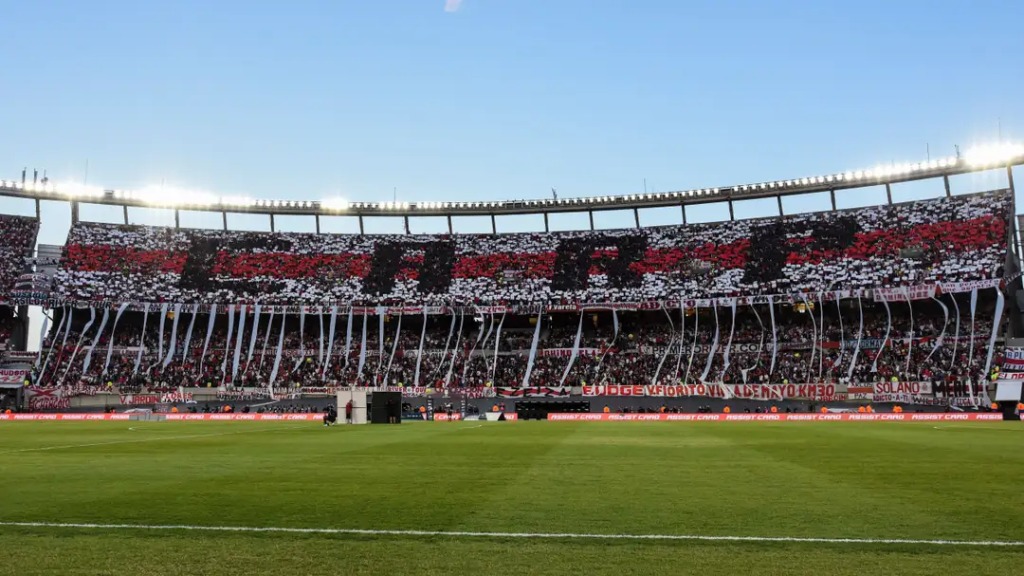
At the heart of River Plate’s protest lies a demand for greater transparency.
In their official statement, the club stressed that the current functioning of the Executive Committee lacks the procedural guarantees necessary for responsible governance.
According to the club, discussions about the future of Argentine football should follow clear rules — including properly scheduled agendas, transparent debate, and formal voting processes.
River leaders argue that these standards are normal in well-run institutions and should apply equally to the country’s football federation.
Instead, they claim that meetings sometimes include discussions on major issues that were not previously communicated to committee members.
For River Plate, this practice undermines accountability.
The club pointed out that such procedures would not be acceptable within its own internal structure. River’s board of directors operates under strict governance rules, and officials say they expect the same level of professionalism from the national federation.
As a result, the club announced that it will refrain from attending Executive Committee meetings until those procedural mechanisms are improved.
The message is clear: River Plate wants a seat at the table — but only if the rules of the table are transparent.
A Complex Political Landscape in Argentine Football
The political environment surrounding the dispute is particularly complex.
Despite their criticism of the AFA leadership, River Plate remain aligned with the federation on one major issue: opposition to the introduction of corporate ownership in Argentine football.
President Javier Milei has advocated for the creation of “Sports Corporations,” a model that would allow private investors to purchase and control football clubs.
The proposal has sparked fierce debate across the country.
Many traditional clubs, including River Plate, oppose the idea. They argue that Argentine football has always been built on the foundation of non-profit civil associations owned by members.
Both River and Claudio Tapia have defended this model, seeing it as an essential part of the sport’s cultural identity in Argentina.
So while River Plate are challenging the AFA’s governance practices, they are simultaneously supporting the federation’s resistance to Milei’s corporate reform plans.
It is a delicate balance — criticising leadership without abandoning the institution itself.
The Debate Over Argentina’s 30-Team League
River Plate have also used this moment to revive another long-standing issue: the structure of the domestic league.
Currently, the top division of Argentine football — Argentine Primera División — features 30 teams.
Many critics argue that the league has become too large, diluting both the quality of competition and the financial value of the tournament.
River Plate have been among the most vocal advocates for reform.
Since 2013, the club has repeatedly proposed reducing the league to 20 teams, bringing it more in line with major European competitions.
Supporters of the idea believe a smaller league would improve competitiveness, increase television revenues, and create a more balanced sporting calendar.
For River, the current crisis inside the AFA offers an opportunity to reopen the conversation.
Club officials insist that structural reform is essential if Argentine football wants to remain competitive on the global stage.
Growing Pressure on AFA Leadership
River Plate’s boycott adds significant pressure on Claudio Tapia and the AFA leadership.
Although the federation still retains the support of many clubs, losing the active participation of one of the country’s most powerful institutions is a serious political setback.
Tapia now faces multiple challenges simultaneously.
On one front, the AFA must defend itself against the federal investigation into alleged financial misconduct.
On another, it must attempt to resolve the ongoing strike involving professional clubs.
And now, it must also deal with River Plate’s demand for governance reforms.
Each of these issues carries its own risks for the stability of Argentine football.
An Uncertain Future for the Domestic Game
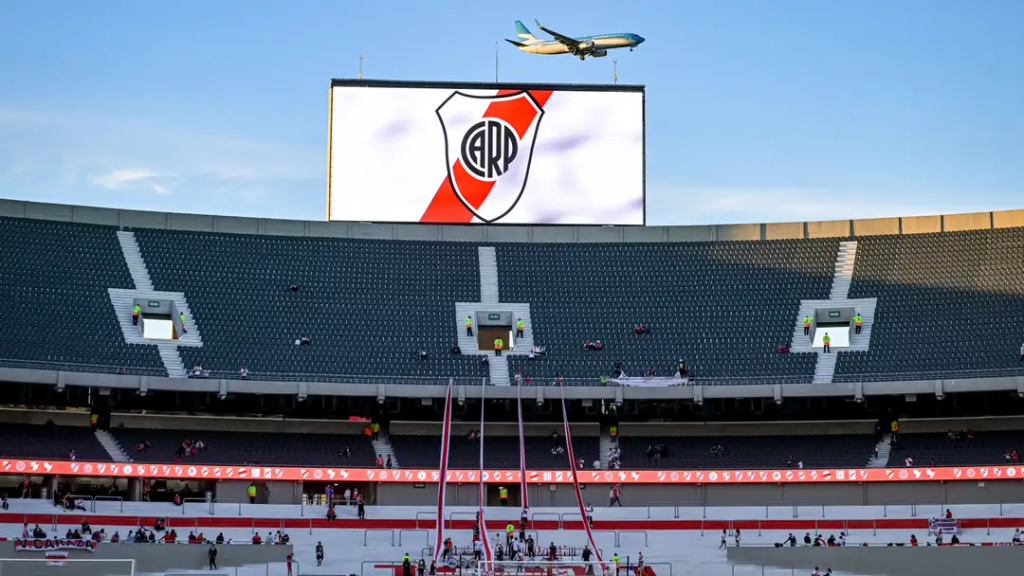
For players, supporters, and coaches across Argentina, the biggest concern remains the future of the domestic season.
With clubs on strike and tensions rising between the federation and its members, there is growing uncertainty about when normal competition schedules will resume.
Government authorities, including the national tax agency ARCA, appear determined to continue their investigation.
That means the legal battle surrounding the AFA could last for months.
Meanwhile, River Plate’s refusal to participate in Executive Committee meetings creates a political standoff in Buenos Aires that may take time to resolve.
Ultimately, Argentine football now finds itself facing two parallel conflicts: a legal struggle involving government investigators and a governance crisis involving the sport’s most powerful clubs.
Whether those conflicts lead to reform or deeper division remains to be seen.
What is certain, however, is that River Plate’s decision to boycott the Argentine FA has dramatically reshaped the conversation around leadership, transparency, and the future direction of the game in Argentina.


There are no comments yet. Be the first to comment!