






































George Russell Wins Australian Grand Prix to Launch Formula 1’s New Era in Style
George Russell Wins Australian Grand Prix as Formula 1’s New Era Begins with Mercedes Dominance
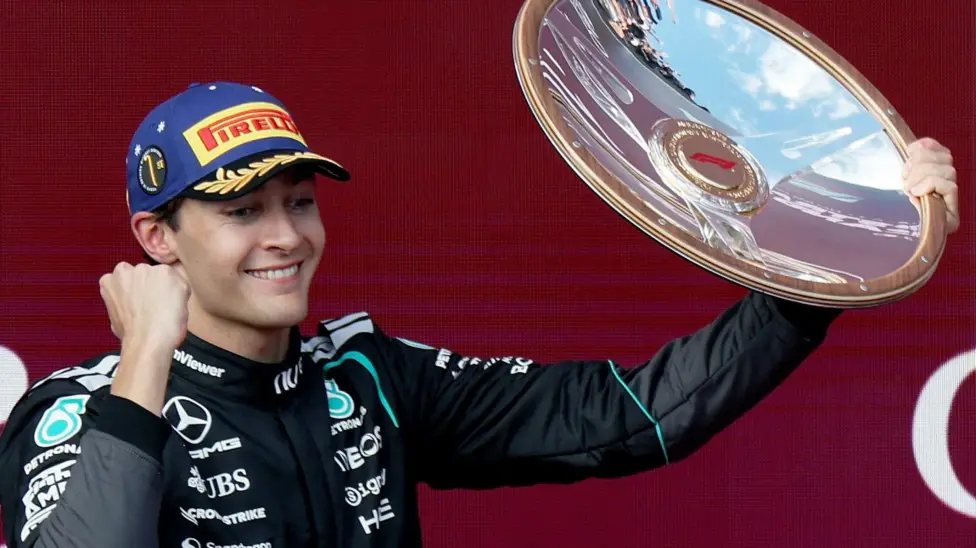
The opening race of Formula 1’s new technical era delivered drama early on before settling into a statement victory for George Russell at the Australian Grand Prix. On a weekend where many questions surrounded the sport’s new hybrid regulations and overtaking dynamics, it was Mercedes who answered loudest on track.
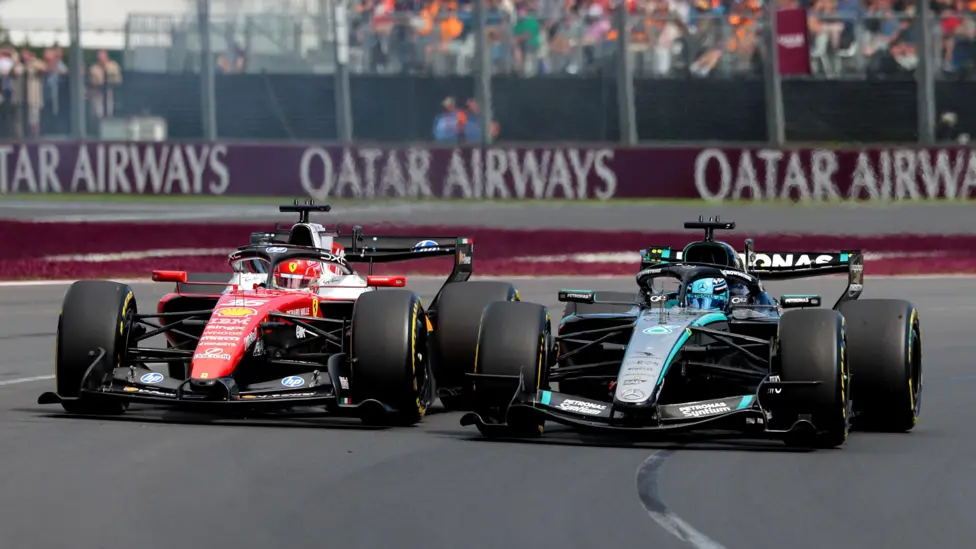
Russell drove a controlled and confident race in Melbourne to secure victory, finishing comfortably ahead of his Mercedes team-mate Kimi Antonelli. Ferrari’s Charles Leclerc completed the podium in third after a tense opening phase that saw him battle wheel-to-wheel with Russell in the early laps.
While the first ten laps produced some of the most exciting moments of the race, strategic decisions during a virtual safety car period ultimately shaped the outcome.
For Mercedes, the result marked a powerful return to the front of the grid after several challenging seasons.
And for Russell, it was the perfect way to begin what could become a defining year in Formula 1.
Australian Grand Prix Fight: Russell and Leclerc Trade the Lead
The race began with the kind of unpredictability that Melbourne often produces.
Although Russell had stunned the paddock with a dominant pole position — nearly eight tenths of a second faster than the nearest non-Mercedes car — Ferrari’s start immediately reshaped the picture.
Both Ferrari drivers launched brilliantly from the grid, and Charles Leclerc wasted no time making his move. Starting fourth, the Monegasque driver surged into the lead at the opening corner, slipping past the Mercedes and momentarily seizing control of the race.
Russell responded quickly.
On lap two, the Briton used extra electrical deployment from the new hybrid systems to power past Leclerc between Turns 10 and 11, reclaiming the lead with a decisive move.
But the Ferrari driver was not prepared to surrender.
Just one lap later, Leclerc executed a similar maneuver on the run toward Turn Nine, retaking the lead in what quickly became a fascinating tactical duel.
The two drivers remained locked together for several laps, swapping positions and testing the limits of the new energy management systems introduced for this season.
Russell continued to apply pressure and made another attempt at Turn One on lap nine. Leclerc defended firmly, forcing Russell to briefly focus on protecting his position from Lewis Hamilton, who had joined the leading group.
For the first ten laps, the Australian Grand Prix looked like it might become a strategic chess match between Mercedes and Ferrari.
Then the race changed.
Virtual Safety Car Strategy Decides the Australian Grand Prix
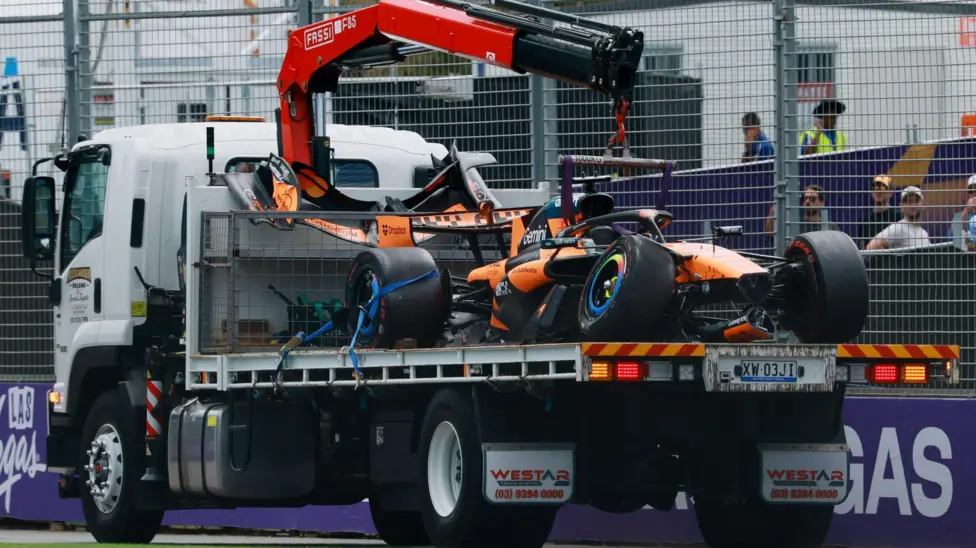
The key moment came on lap 12 when Red Bull driver Isack Hadjar, who had been running strongly in fifth place, suffered a technical issue and pulled over on the back straight.
Race control deployed the virtual safety car (VSC), a period that typically offers teams a valuable opportunity to make pit stops while losing less time compared to stopping under full racing conditions.
Mercedes reacted immediately.
Both Russell and Antonelli dove into the pits to switch tyres, taking advantage of the slower pace on track.
Ferrari chose a different path.
Neither Leclerc nor Hamilton came in during the VSC window. Instead, the team decided to stick with their original strategy of completing the race with a single scheduled pit stop later in the event.
Hamilton was not entirely convinced by the decision.
Over the team radio, the seven-time world champion questioned the strategy, suggesting that at least one Ferrari should have pitted during the safety car phase.
“At least one of us should have pitted,” Hamilton said.
Ferrari held their ground.
Unfortunately for them, the decision ultimately removed them from the fight for victory.
Russell Pulls Away After Ferrari Strategy Gamble
Leclerc finally made his pit stop on lap 25, but by that time the advantage had swung firmly toward Mercedes.
Russell, running on fresher tyres and already having completed his stop, had reduced the gap significantly. When Leclerc returned to the track, he emerged more than 14 seconds behind the race leader.
That margin effectively ended the battle at the front.
Although Leclerc had newer tyres and theoretically the pace to close the gap, the Ferrari driver never managed to significantly reduce Russell’s advantage.
From that point onward, the Mercedes driver controlled the race with calm precision.
“I’m feeling incredible,” Russell said after climbing from the car.
“It was a hell of a fight at the beginning. I made a bad start and we had some really tight battles with Charles, so I was really happy to see the chequered flag.”
Behind him, Antonelli completed a brilliant race to secure second place, giving Mercedes a commanding one-two finish.
New Hybrid Systems Shape Early Racing
The opening laps offered fans a glimpse of how Formula 1’s new regulations might influence racing this season.
Several of the overtaking moves between Russell and Leclerc were not traditional passes achieved through late braking into corners. Instead, they relied on short bursts of additional electrical power provided by the new energy deployment modes.
Drivers can temporarily activate “boost” and “overtake” settings, allowing them to use stored battery energy to gain speed on straights.
The consequence is a different type of wheel-to-wheel battle.
Drivers frequently alternate between attacking and conserving energy as they recharge their battery systems. While this can create exciting bursts of action, it also means maintaining a consistent advantage can be difficult.
Ferrari team principal Frederic Vasseur described the race as “a good start” for the new era, though opinions across the paddock remain mixed.
Several drivers have already raised concerns that energy management may become too dominant a factor in race strategy.
Formula 1 officials have indicated they will review how the system works across the first few races before deciding whether any adjustments are needed.
Standout Performances Across the Grid
Behind the leading four cars, the race developed into a separate battle.
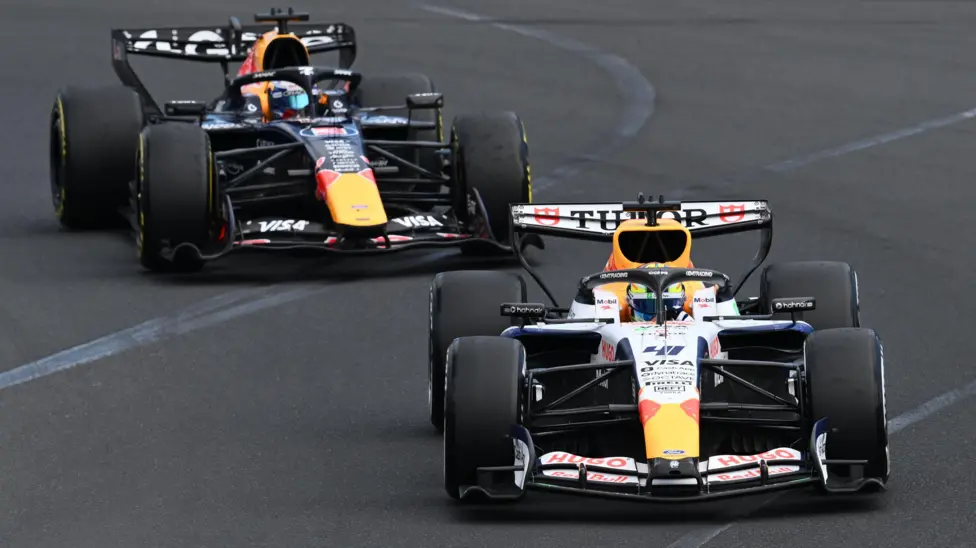
McLaren’s reigning world champion Lando Norris finished fifth after successfully defending against a late charge from Max Verstappen. The Red Bull driver produced one of the most impressive recoveries of the afternoon, climbing from 20th on the grid to finish sixth.
His race, however, had already been compromised by a crash in qualifying.
Elsewhere, young British driver Arvid Lindblad enjoyed an impressive Formula 1 debut.
The 18-year-old Racing Bulls driver became the youngest Briton ever to compete in F1 and delivered an outstanding performance to finish eighth. At one stage during the opening lap chaos, Lindblad even briefly ran in third place after overtaking both Norris and Hamilton.
Although he eventually slipped behind Haas driver Oliver Bearman, Lindblad held off a late challenge from Gabriel Bortoleto to secure points in his first Grand Prix.
Pierre Gasly completed the top ten for Alpine.
What Comes Next for Formula 1
The Australian Grand Prix may have begun the season, but the championship battle is only just getting underway.
Formula 1 now travels to China for the second race of the campaign at the Shanghai International Circuit.
The weekend will also feature a sprint race format, meaning teams will have even less time to fine-tune their setups.
For Mercedes, the Melbourne result offers a powerful statement that they are once again serious contenders.
For Ferrari, questions remain about strategy and whether a different decision during the virtual safety car could have changed the outcome.
And for the rest of the grid, the new era of Formula 1 has only just begun.


There are no comments yet. Be the first to comment!