


Tottenham Crisis Deepens as Supporters Demand ‘Emergency Action’ Amid Igor Tudor Pressure
There are bad nights in football — and then there are nights that feel like a breaking point. Tottenham Hotspur’s crushing 5–2 defeat against Atletico Madrid in the Champions League was not merely another loss in a difficult season; it was the moment when frustration boiled over into open revolt.
The fallout has been immediate and loud. The Tottenham Hotspur Supporters’ Trust has called for “emergency action,” supporters are questioning the club’s direction, and pressure on head coach Igor Tudor is escalating at a pace rarely seen even in modern football’s unforgiving climate.
For a club steeped in history and identity, this run of results represents something unprecedented — the worst losing streak in Tottenham’s 143-year existence.
And suddenly, Spurs are no longer talking about European dreams. They are talking about survival.
Tottenham Hit Historic Low as Igor Tudor Pressure Intensifies
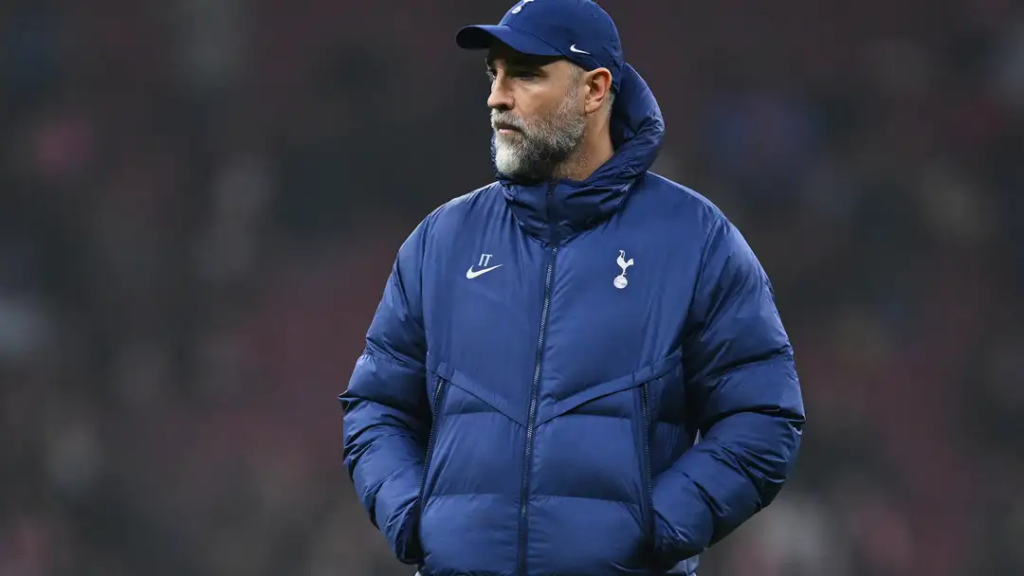
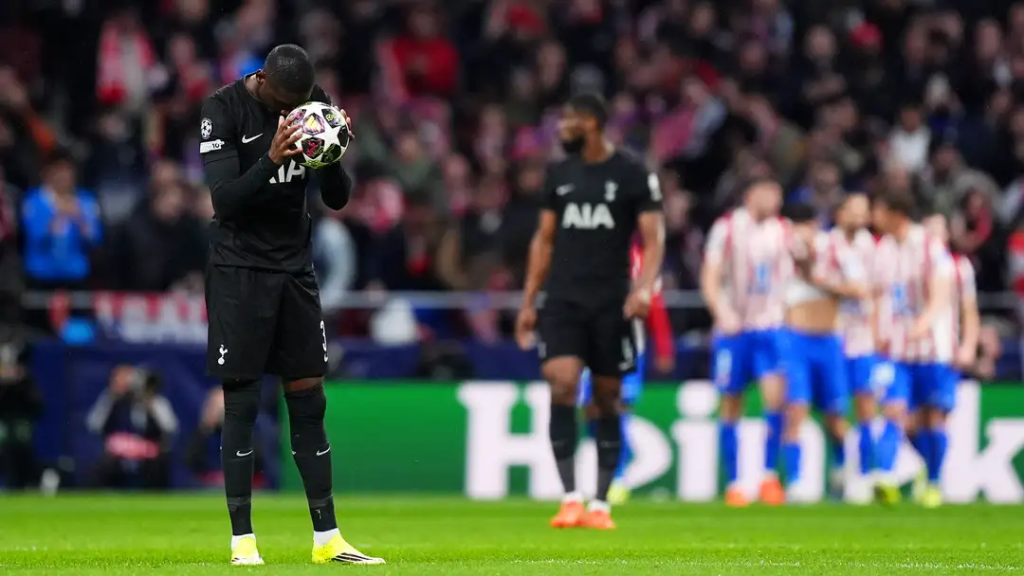
The defeat in Madrid felt symbolic of everything currently going wrong at Tottenham. Within 20 chaotic minutes, the tie — and perhaps Tudor’s authority — appeared to unravel completely.
Backup goalkeeper Antonin Kinsky endured a nightmare opening, committing two costly errors that handed Atletico Madrid early control. Marcos Llorente struck first after a defensive lapse, before Julian Alvarez punished another mistake shortly afterward. Sandwiched between those moments, Antoine Griezmann capitalised on a slip from Micky van de Ven to make it 3–0 before many travelling supporters had even settled into their seats.
It was brutal, clinical, and embarrassingly one-sided.
For Tudor, the statistics make grim reading. He has become the first manager in Tottenham history to lose his opening four matches in charge — a record that immediately places his tenure under intense scrutiny.
More alarming still is the broader context: six consecutive defeats across competitions, a run unmatched in the club’s long history.
Results alone rarely tell the full story, but performances have compounded the concern. Defensive organisation looks fragile, confidence appears shattered, and players often seem caught between tactical instructions and instinct.
When a team begins to look unsure of itself, pressure quickly spreads beyond the pitch.
Tottenham Supporters’ Trust Call for ‘Emergency Action’
Within hours of the final whistle, the Tottenham Hotspur Supporters’ Trust released a strongly worded statement that reflected the growing anger among fans.
Describing the performance as a “total disgrace,” the group pointed not only at results but at what they see as systemic failures inside the club — recruitment decisions, managerial appointments, and a perceived absence of football identity.
Their statement carried emotional weight, invoking Tottenham’s traditional motto and heritage.
“Where is the Daring to Do? Where are the Echoes of Glory?” the Trust asked, echoing sentiments shared widely across supporter forums and social media.
The criticism extended directly toward the boardroom. Non-executive chairman Peter Charrington and senior leadership were warned that supporters feel the club is “sleepwalking off the edge of a cliff.”
Such language is rarely used lightly by organised supporter groups. It signals not temporary frustration but deep concern about long-term direction.
Fans even demanded refunds for travelling supporters who witnessed the defeat in Madrid — a symbolic gesture highlighting how disconnected many feel from the team’s performances.
Yet beneath the anger lies something simpler: a desire to feel proud again.
Igor Tudor Faces Questions After Kinsky Substitution Controversy
The chaotic atmosphere reached its peak just 17 minutes into the match when Tudor made a dramatic decision to substitute goalkeeper Antonin Kinsky.
Television cameras captured a visible exchange between captain Cristian Romero and the coach before the change, sparking speculation about dressing-room dynamics and player influence.
Tudor quickly dismissed those suggestions.
“My decision, of course,” he said firmly afterward.
The Croatian coach refused to publicly criticise his goalkeeper, offering only a brief “no comment” when pressed by reporters. While intended to protect the player, the response also reflected a manager increasingly guarded amid mounting scrutiny.
Tudor attempted to shift focus away from his own future, emphasising collective responsibility.
“It is not about my job,” he insisted. “It is about how to help the team.”
Still, football rarely allows managers to control narratives during losing streaks. Every tactical choice, substitution and comment becomes magnified when results fail to improve.
Identity Crisis Adds to Tottenham’s Problems
Perhaps the most concerning aspect of Tottenham’s current situation is not the defeats themselves but the absence of a clear footballing identity.
Supporters struggle to identify what the team is trying to become. Is Tudor rebuilding defensively? Transitioning tactically? Preparing for long-term development?
At present, answers feel unclear.
January’s transfer window drew criticism for lacking coherence, while frequent managerial changes have prevented continuity. Players appear caught between philosophies inherited from previous regimes and new expectations under Tudor.
Confidence, once lost, is notoriously difficult to rebuild — especially at a club where expectations remain high despite inconsistent progress.
The Champions League defeat amplified those underlying issues rather than creating them.
What Comes Next for Tottenham After Champions League Collapse?
The fixture list offers little mercy.
Tottenham now travel to Anfield to face Liverpool in the Premier League — hardly the ideal environment for a team searching for stability. Another defeat could deepen relegation fears that once seemed unthinkable for a club of Spurs’ stature.
Shortly afterward comes the return leg against Atletico Madrid in north London, where pride rather than progression may become the primary motivation.
For Tudor, the challenge is psychological as much as tactical. He must restore belief quickly, reconnect players with supporters, and demonstrate signs of progress before patience fully disappears.
History shows that football crises rarely resolve quietly. Momentum — positive or negative — tends to accelerate.
Right now, Tottenham are moving in the wrong direction at alarming speed.
And unless performances improve soon, the calls for “emergency action” may evolve from supporter pressure into boardroom decisions that reshape the club once again.
Because in football, as Tottenham are painfully discovering, history offers prestige — but it provides no protection from the present.


There are no comments yet. Be the first to comment!