




























































































































































































































































































Joan Laporta Fury After Barcelona Transfer Saga: How Dro Fernandez’s Exit to PSG Sparked a Bitter Fallout
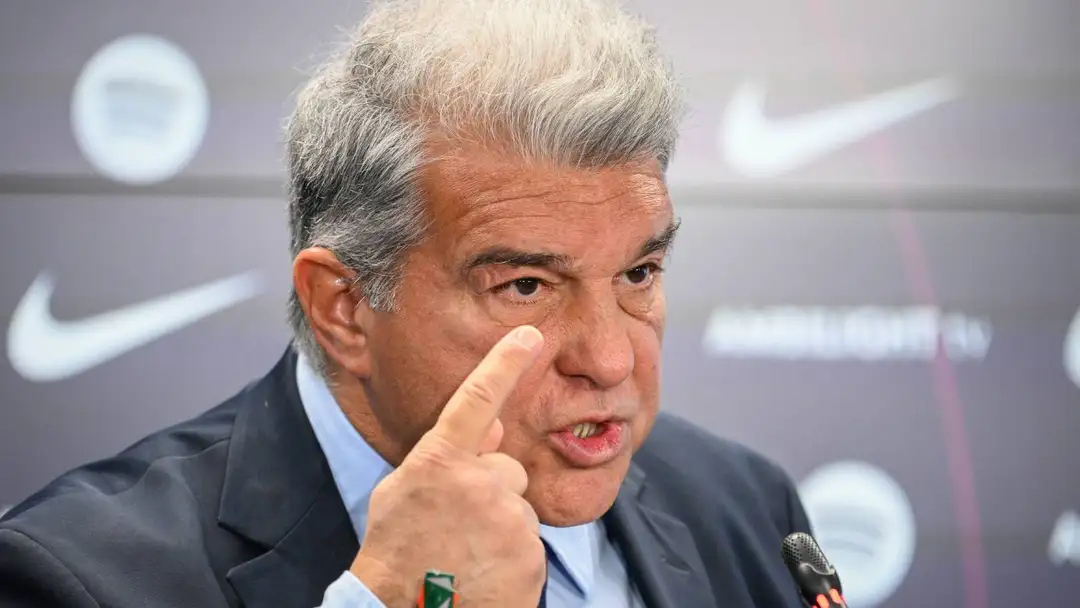
“A Backstabbing Move” — Barcelona President Joan Laporta Still Angry Over Dro Fernandez Transfer to Paris Saint-Germain
At FC Barcelona, dramatic transfers are nothing new. The club has lived through financial crises, emotional departures, and headline-grabbing negotiations over decades. Yet even by Barça standards, the winter exit of young talent Dro Fernandez to Paris Saint-Germain has left unusually deep scars.
Months after the deal was completed, club president Joan Laporta is still openly furious. His frustration is not directed solely at the player, but rather at the circumstances surrounding the transfer — and, most notably, at the agent he believes orchestrated the move behind Barcelona’s back.
In Laporta’s eyes, this was not just another transfer. It was a betrayal.
Barcelona Transfer Shock: Why Dro Fernandez’s Departure Hurt So Much
Barcelona’s academy has always been central to the club’s identity. Young players are not merely prospects; they represent continuity, philosophy and the future of the institution.
Dro Fernandez was widely viewed as part of that future.
The attacking midfielder had been earmarked internally as a long-term first-team option. Coaches believed he possessed the technical intelligence and positional awareness synonymous with Barça’s football culture. Despite his youth, the club had already begun integrating him into senior plans, even granting him opportunities ahead of more established players.
That decision, Laporta later admitted, reflected how highly the club rated him.
Barcelona attempted to secure Fernandez’s future with a contract extension — despite his existing deal running until 2027. Negotiations were ongoing, and club officials believed progress was being made.
Then everything changed quickly.
During the winter transfer window, Fernandez informed the club of his desire to leave. Shortly afterward, PSG activated his release clause — reportedly just over six million euros — a figure Barcelona now views as painfully low given the player’s potential.
The speed of the move left executives stunned.
Joan Laporta’s Explosive Reaction to the Barcelona Transfer
Speaking publicly, the Barcelona president described the transfer as a “backstabbing move,” directing much of his anger toward former Barça midfielder turned agent Iván de la Peña.
De la Peña, who enjoyed two spells at Barcelona during his playing career, had long maintained a strong relationship with the club. That history, according to Laporta, made the situation even more painful.
Laporta argued that De la Peña’s connection to Barcelona gave him privileged access and trust — trust he believes was ultimately broken.
In one of his most striking remarks, Laporta suggested the situation would never have unfolded in the same way had super-agent Jorge Mendes been involved instead. The implication was clear: Barcelona felt blindsided by negotiations happening outside agreed frameworks.
For Laporta, the issue wasn’t merely losing a player. It was losing him under circumstances the club perceived as disloyal.
The Agent Factor and a Breakdown of Trust
Modern football transfers often revolve as much around agents as clubs or players. In this case, that dynamic became central to the controversy.
De la Peña currently represents several Barcelona players, including midfield star Gavi and defender Eric García. His continued presence within the club’s ecosystem adds another layer of complexity to the dispute.
Laporta hinted that Barcelona had expected cooperation rooted in shared history. Instead, he believes negotiations were conducted in a manner that prioritized the transfer outcome over the relationship with the club.
From Barcelona’s perspective, the episode serves as a reminder of how fragile loyalty can be in the modern transfer market.
Hansi Flick’s Disappointment Behind the Scenes
While Laporta expressed anger, Barcelona head coach Hansi Flick adopted a more emotional tone.
Flick had reportedly developed a strong personal appreciation for Fernandez, both as a footballer and as a character within the squad. The German manager viewed him as a player capable of growing into an important role over time.
When the departure became official, Flick admitted his disappointment openly.
He acknowledged the player’s right to choose his career path but made clear that Barcelona had envisioned a significant future for him. According to Flick, Fernandez was loved within the dressing room — a sentiment that made the exit harder to accept.
For a manager attempting to build continuity during a transitional era, losing a young project player mid-season represented a genuine setback.
Why Paris Saint-Germain Moved Quickly
From PSG’s perspective, the deal was an opportunity too good to ignore.
The French giants, reigning European champions at the time of the transfer, saw Fernandez as a long-term investment rather than an immediate starter. Triggering a modest release clause allowed them to secure a highly rated talent without entering a prolonged bidding war.
Interest from Borussia Dortmund reportedly existed as well, reinforcing the sense that Fernandez was becoming one of Europe’s most sought-after young prospects.
PSG acted decisively — something Barcelona could do little to prevent once the clause was activated.
The move underlined a harsh reality of modern football: even elite clubs can lose control once contractual mechanisms come into play.
Life After Barcelona: Fernandez’s Early PSG Chapter
Since arriving in Paris, Fernandez’s integration has been gradual.
He has made six competitive appearances, accumulating just over 200 minutes on the pitch. The limited playing time reflects PSG’s cautious approach with young players entering a star-filled squad.
His contract runs until 2030, signaling the club’s long-term commitment to his development.
For now, Fernandez is learning rather than starring — adapting to a new league, new expectations and the pressure that comes with joining one of Europe’s biggest clubs.
A Transfer That Still Echoes at Barcelona
Transfers often fade quickly into football’s relentless news cycle. This one has not.
At Barcelona, Fernandez’s departure continues to symbolize broader tensions: financial limitations, the growing power of agents, and the challenge of retaining elite young talent in an increasingly competitive market.
Laporta’s anger reflects more than a single deal. It reveals anxiety about protecting the club’s identity during a period of rebuilding and modernization.
Barcelona believed they were nurturing a future cornerstone.
Instead, they watched him leave mid-project — and in a manner they felt undermined trust.
Whether Fernandez ultimately fulfills his potential in Paris remains to be seen. But at Camp Nou, the emotional aftermath of his transfer suggests one thing clearly:
Some departures are measured not by transfer fees or appearances, but by the relationships they fracture along the way.


There are no comments yet. Be the first to comment!