



































Inter Frustrated After Controversial Refereeing in Atalanta Draw: Nerazzurri Question Scalvini-Frattesi Incident
Inter Claim Previous Cases Similar to the Scalvini-Frattesi Incident Have Already Penalised the Nerazzurri
Tempers rarely stay calm after a tense draw at San Siro, and the 1–1 stalemate between Inter Milan and Atalanta BC proved no exception.
Yet what unfolded after the final whistle was less about shouting and dramatic confrontations and more about something that could almost be described as a “civilised dispute.” Inter officials were clearly frustrated with several refereeing calls during the match, particularly a controversial penalty incident involving Giorgio Scalvini and Davide Frattesi. But rather than escalating the situation publicly, the club opted for a measured response behind closed doors.
In the hours following the match, club executives quietly met with the refereeing team to discuss the decisions that had left the Nerazzurri feeling aggrieved. The conversation was described by Italian media as “cordial,” though the underlying frustration from Inter’s side was unmistakable.
For a team battling at the top of Serie A, every decision carries enormous weight. And with the title race tightening, the controversy surrounding the Scalvini-Frattesi incident has become another chapter in an increasingly tense season.
A Heated Match at San Siro Leaves Inter Searching for Answers
The game itself was fiercely contested from the opening whistle. Both sides knew the stakes were high.
Inter entered the match aiming to maintain their position at the summit of Serie A, while Atalanta arrived in Milan eager to disrupt the league leaders and keep their own ambitions alive. As expected, the clash delivered intensity, physical battles and plenty of drama.
The match eventually ended 1–1, a result that left neither team entirely satisfied. But while Atalanta could walk away feeling they had earned a valuable point away from home, Inter’s focus quickly shifted to the refereeing decisions that shaped key moments of the contest.
The most debated incident occurred when Atalanta defender Giorgio Scalvini challenged Inter midfielder Davide Frattesi inside the penalty area. Inter players immediately appealed for a spot kick, convinced the contact warranted a foul.
However, the referee waved play on.
A “Civilised” Meeting Between Inter and the Refereeing Team
Once the match ended and both squads returned to their dressing rooms, the focus shifted from the pitch to the corridors of San Siro.
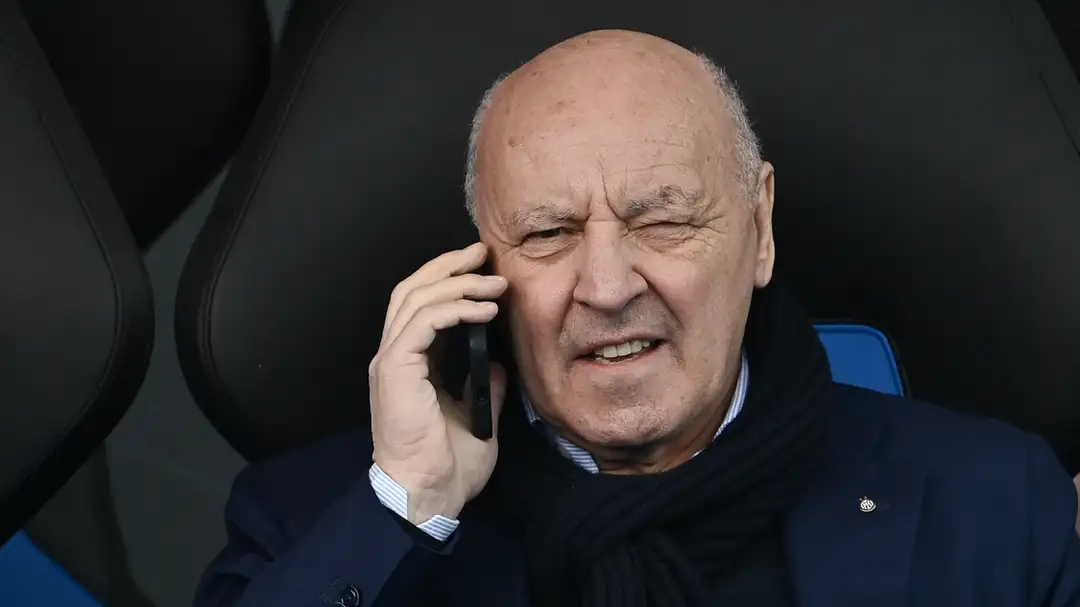
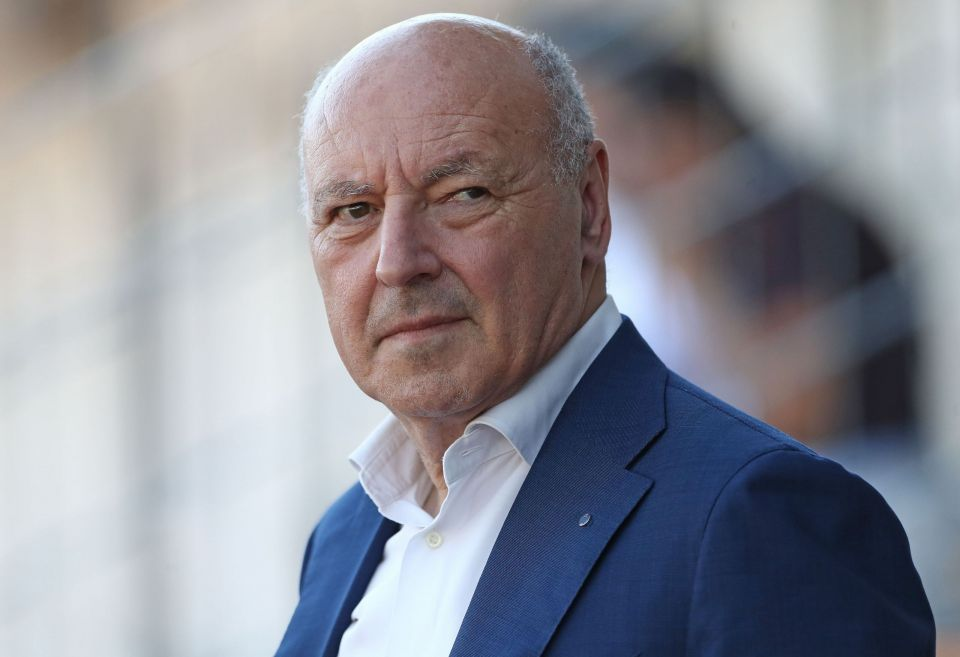
Inter chairman Giuseppe Marotta and sporting director Piero Ausilio held a meeting with the refereeing officials to discuss the controversial moments.
According to reports in the Italian press, the exchange remained respectful and constructive. There were no dramatic confrontations or heated public accusations — just a detailed discussion about decisions that Inter believe influenced the match.
The word often used to describe the meeting was “cordial.” But behind that diplomacy was a clear message from Inter’s hierarchy: they felt the Scalvini-Frattesi incident should have resulted in a penalty.
It was not the first time this season that the Nerazzurri have felt wronged by refereeing calls, and the club believes similar situations in the past have been judged differently.
Inter Point to Previous Penalty Decisions Against Them
Inter’s frustration is rooted in what they perceive as inconsistency.
Within the club’s internal discussions, two previous incidents were cited as examples of comparable situations that resulted in penalties being awarded — both against Inter.
The first dates back to October 2021 during a match against Juventus FC. On that occasion, Inter defender Denzel Dumfries was penalised for a challenge on Alex Sandro, resulting in a spot kick.
More recently, another controversial decision arrived in January 2024 during a game against Hellas Verona FC. Inter defender Matteo Darmian was judged to have fouled Giangiacomo Magnani, again leading to a penalty.
In both cases, the VAR review supported the referee’s original decision.
From Inter’s perspective, the similarities between those incidents and the Scalvini-Frattesi challenge make the latest call difficult to accept. While the club stopped short of publicly accusing officials of bias, their message is clear: they want consistency.
Lingering Tension Since the Derby
The controversy has also revived memories of another recent dispute involving Inter and match officials.
Club insiders believe tensions began to build following a controversial decision involving defender Alessandro Bastoni during a previous derby match.
That moment created what some within the club describe as an “atmosphere of hostility” toward Inter, though such claims remain part of the internal narrative rather than an official accusation.
Regardless of whether that perception is justified, it helps explain why Inter’s leadership felt compelled to raise concerns directly with referees after the Atalanta draw.
For Marotta and Ausilio, the objective was simple: communicate their concerns without escalating the situation publicly.
Silence Toward the Media After the Match
Interestingly, despite the controversy, Inter’s leadership chose not to speak publicly after the match.
Players left the stadium quietly, and club officials avoided post-match interviews. By early evening, most had departed San Siro without addressing the media.
This silence marked a notable shift in approach.
Earlier in the season, following a 3–1 defeat against SSC Napoli, Marotta openly criticised refereeing decisions during post-match interviews. That episode generated significant debate across Italian football.
This time, the strategy was different.
Rather than ignite another public argument, Inter opted to handle the situation through official channels, presenting their concerns privately to refereeing authorities.
The Bigger Picture in the Serie A Title Race
Beyond the controversy itself lies the broader context of the Serie A title race.
At the time of the draw, Inter were still leading the table but faced mounting pressure from their closest rivals. A victory for AC Milan against SS Lazio would have reduced the gap to just five points ahead of the next derby showdown.
That reality explains why every decision in matches like the one against Atalanta carries enormous significance.
Dropped points, controversial calls and narrow margins can ultimately decide championships.
For Inter, the frustration surrounding the Scalvini-Frattesi incident is therefore not just about a single match. It reflects the anxiety of a title race where the smallest details may determine the final outcome.
Inter Seek Clarity Rather Than Conflict
Despite the anger felt in the immediate aftermath of the draw, Inter’s approach suggests the club is trying to avoid unnecessary confrontation.
The meeting with the referees, described as respectful and constructive, indicates a desire for clarity rather than controversy.
Whether that conversation leads to any formal review or acknowledgement from officiating authorities remains to be seen.
What is certain is that Inter believe they have a legitimate grievance — one rooted in previous precedents that appear, from their perspective, inconsistent with the latest decision.
As the Serie A season enters its decisive phase, the Nerazzurri will hope future matches are decided by footballing quality rather than refereeing debate.
But as this latest episode proves, in Italian football even a “civilised” conversation can carry echoes of a much louder argument.


There are no comments yet. Be the first to comment!