
























Morocco Crowned AFCON Champions After CAF Bombshell Ruling Overturns Senegal Final Result
Moroccan FA reacts as CAF overturns AFCON final result between Morocco and Senegal
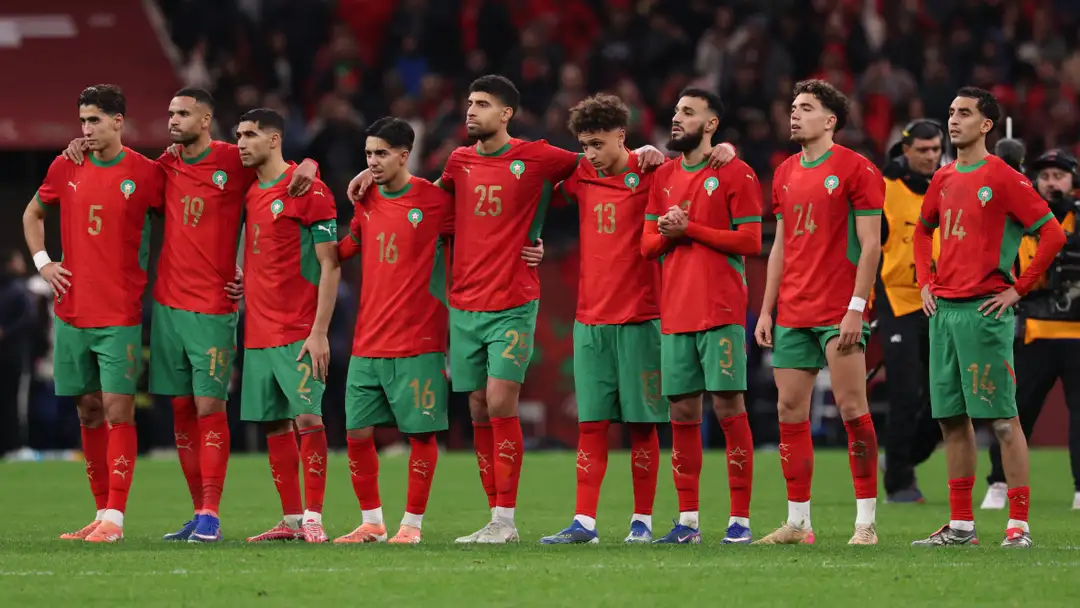
African football woke up to one of the most astonishing administrative decisions in its modern history as the Confederation of African Football (CAF) officially overturned the result of the 2025 Africa Cup of Nations final, declaring Morocco champions months after the match had seemingly been settled on the pitch.
What was once celebrated as a historic triumph for Senegal has now transformed into one of the continent’s most controversial rulings, with the Royal Moroccan Football Federation (FRMF) finally breaking its silence following the CAF Appeal Board’s landmark verdict.
The decision, which awarded Morocco a 3–0 forfeit victory over Senegal, has sent shockwaves across African football — raising questions about regulations, refereeing authority, and the delicate balance between sporting results and administrative justice.
Senegal stripped of AFCON crown after dramatic CAF ruling
Back in January, the final in Rabat appeared to deliver a straightforward sporting outcome. Senegal emerged victorious with a narrow 1–0 win, their players celebrating on Moroccan soil after what looked like another defining moment for the reigning continental power.
But beneath the celebrations lay controversy that would later reshape the tournament’s legacy.
Late in the match, a VAR intervention awarded Morocco a penalty in dramatic circumstances. The decision sparked furious protests from the Senegalese bench and players, culminating in a brief but highly symbolic walk-off led by head coach Pape Thiaw.
Although Senegal eventually returned to the pitch and the game resumed — with goalkeeper Edouard Mendy saving the resulting penalty — CAF later determined that the temporary refusal to play constituted a breach of competition regulations.
Months of legal review followed behind closed doors. Appeals, documentation, and disciplinary analysis slowly built toward a conclusion few anticipated.
When CAF’s Appeal Board finally delivered its ruling, it fundamentally rewrote history: Senegal were deemed to have forfeited the match, and Morocco were retroactively awarded a 3–0 victory — and with it, the AFCON title.
Morocco FA welcomes landmark CAF decision with measured tone

In its initial statement, the FRMF stressed that its actions were never intended to diminish the performance of competing teams but rather to ensure that tournament regulations were applied correctly and consistently.
The federation emphasized principles over celebration, highlighting respect for rules, competitive clarity, and institutional stability within African football.
That restrained tone reflected an awareness of the controversy surrounding the decision. Morocco may now officially be champions, but the circumstances remain deeply sensitive.
Following internal consultations, the FRMF issued a more formal acknowledgment after reviewing the Appeal Board’s findings. The federation confirmed it had received CAF’s decision under Article 84 of the Africa Cup of Nations regulations, which governs forfeits arising from refusal to continue play.
Rather than triumphant rhetoric, the message focused on legality and governance — a deliberate attempt to present Morocco’s victory as procedural rather than political.
The regulations behind CAF’s bombshell ruling

At the heart of the controversy lies a strict interpretation of AFCON competition rules.
Under Articles 82 and 84, any team that leaves the field before the official conclusion of a match without the referee’s authorization is automatically considered to have forfeited. CAF concluded that Senegal’s walk-off, even though temporary, satisfied the criteria for disciplinary sanctions.
The decisive moment came during the chaotic final minutes of normal time. Following the VAR-awarded penalty, confusion spread across the pitch as Senegal players protested the decision. Their departure — however brief — was judged to undermine the authority of match officials.
CAF’s disciplinary bodies ultimately ruled that intent was irrelevant; the action itself triggered automatic consequences outlined in tournament bylaws.
Ironically, the penalty itself proved irrelevant in sporting terms. Mendy’s save initially preserved Senegal’s on-field victory. Yet administratively, the breach had already occurred.
The result: a match won on the pitch but lost in the rulebook.
Furious Senegal launch CAS appeal over AFCON decision
Unsurprisingly, the reaction from Senegal has been explosive.
The Senegalese Football Federation (FSF) issued a strongly worded response condemning the ruling as “unfair, unprecedented and unacceptable,” arguing that it damages the credibility of African football on the global stage.
Within hours, officials confirmed their intention to appeal the decision to the Court of Arbitration for Sport (CAS) in Lausanne — sport’s highest legal authority.
The federation framed the case not only as a defence of a trophy but as a defence of sporting justice itself. In its statement, the FSF reaffirmed its commitment to integrity and pledged to pursue every available legal avenue.
For Senegalese supporters, the decision represents more than administrative punishment; it feels like history being rewritten months after emotions had settled.
Now, the final outcome may ultimately be decided in a courtroom rather than a stadium.
A victory without a final whistle celebration
For Morocco, the title arrives in unusual fashion — celebrated not amid confetti and roaring crowds but through official documents and legal language.
There is no final whistle replay, no trophy lift under floodlights, no shared emotional climax. Instead, the triumph exists largely on paper, validated by regulation rather than spectacle.
Yet within Moroccan football circles, the ruling is also seen as validation of persistence. The federation maintained throughout the process that it sought only adherence to competition rules, not retroactive advantage.
The distinction matters. In modern football governance, procedural consistency increasingly carries as much weight as on-field performance.
Wider implications for African football governance
Beyond Morocco and Senegal, the ruling could have lasting consequences for African football.
CAF has sent a clear signal regarding respect for refereeing authority and competition regulations. Future protests or walk-offs — even symbolic ones — may now carry far greater risk.
Clubs and national teams across the continent will likely reassess how they respond to contentious decisions during matches. Emotional reactions, long part of football culture, may now face stricter administrative scrutiny.
At the same time, critics argue that overturning a final result months later risks undermining fan trust, creating uncertainty around results long after tournaments conclude.
The pending CAS appeal ensures the story is far from finished.
An AFCON final that refuses to end
The 2025 Africa Cup of Nations final between Morocco and Senegal will now be remembered less for football and more for its aftermath — a rare case where regulations reshaped sporting history.
Morocco stand officially crowned champions. Senegal continue to fight for reinstatement. CAF defends the integrity of its rulebook.
And African football finds itself navigating the uncomfortable intersection between law and sport.
Whether the CAS appeal confirms or overturns the decision, one thing is certain: this AFCON final did not end when the referee blew the whistle in Rabat. In many ways, it has only just begun.


There are no comments yet. Be the first to comment!