






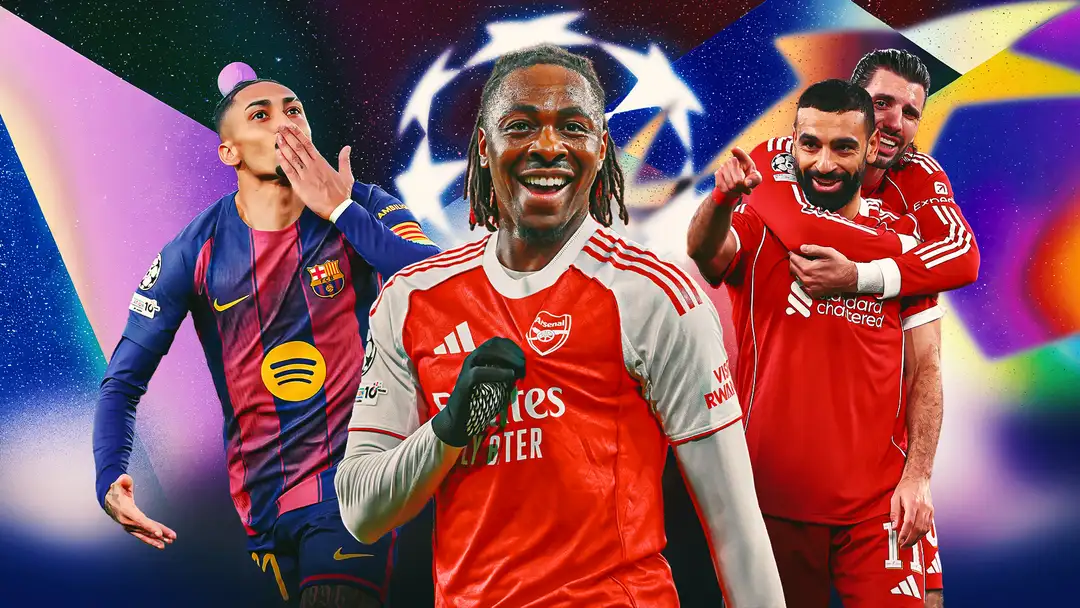
Champions League 2025–26 Power Rankings: Arsenal Lead the Race as Barcelona and Liverpool Reignite the Title Conversation
Champions League Power Rankings Ahead of the Quarter-Finals: Arsenal, Barcelona and Liverpool Back in Focus
For many supporters across Europe, the Champions League only truly comes alive once the knockout rounds begin. The expanded league phase may stretch narratives across months, but the real drama — the tension, chaos, and unforgettable nights — belongs to the last 16 and beyond. Over the past week, the competition finally delivered exactly what fans crave: elite teams under pressure, goals arriving in waves, and familiar giants reminding everyone why continental pedigree still matters.
Sixty-eight goals across eight ties told the story of a round defined by attacking ambition. Stadiums shook from Lisbon to London, momentum swung wildly within matches, and several heavyweights reasserted themselves just when doubts had begun to creep in.
The Premier League, surprisingly, emerged as one of the biggest casualties, losing four of six representatives. Meanwhile, seasoned European powers sensed opportunity. With the quarter-finals now set and Budapest waiting on May 30, the Champions League 2025–26 power rankings offer a revealing snapshot of who looks strongest — and who still has questions to answer.
8. Sporting CP – The Comeback That Changed Everything

Sporting CP’s place among Europe’s final eight already feels like one of the stories of the season. Few teams recover from a multi-goal deficit in a Champions League knockout tie, yet the Portuguese side delivered one of the competition’s great comebacks.
Their extraordinary turnaround against Bodo/Glimt was built on relentless intensity from the opening whistle in Lisbon. Extra time was required, nerves were tested, and a controversial penalty decision helped swing momentum, but Sporting ultimately overwhelmed their opponents with attacking persistence.
Still, reality now bites. Facing Arsenal represents a significant step up in quality. Rui Borges’ side showed courage and attacking flair, but the quarter-finals demand defensive discipline at an entirely different level. Romantic stories rarely survive long at this stage unless accompanied by tactical maturity.
7. Liverpool – A Timely Reminder at Anfield
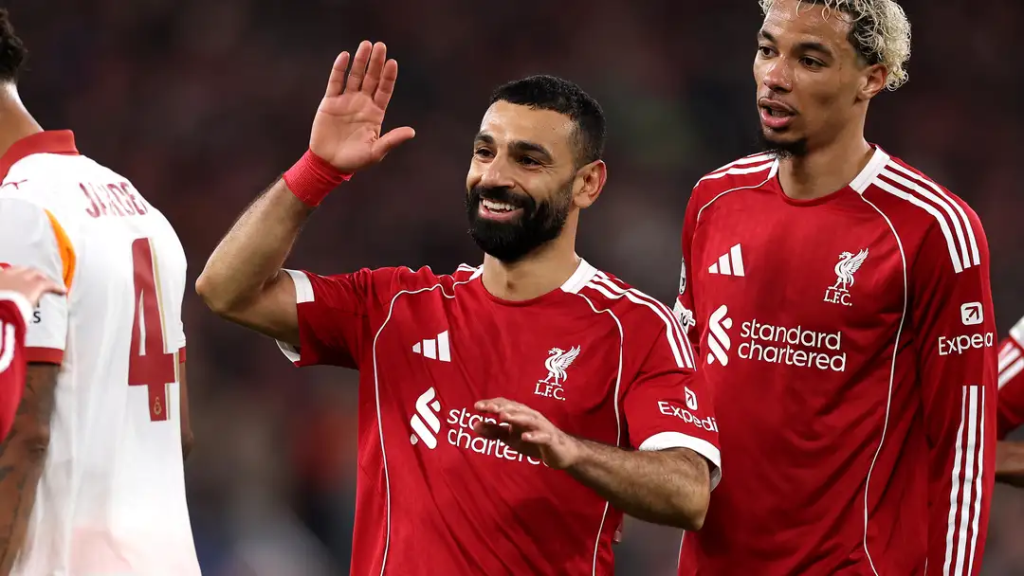
Liverpool’s season has often felt inconsistent domestically, yet European nights continue to unlock something special inside Anfield. After suffering earlier defeats against Galatasaray during the campaign, the Reds finally delivered authority when it mattered most.
The 4–0 victory was not merely progression — it was a statement performance. Mohamed Salah, even after missing a penalty, played with the sharpness and confidence that has defined Liverpool’s modern European identity. Movement was sharper, pressing more coordinated, and belief unmistakable.
Arne Slot’s side now faces Paris Saint-Germain, arguably the toughest possible test. Revenge narratives linger after last season’s elimination, but Liverpool’s resurgence suggests they cannot be dismissed. European football has a habit of reviving teams searching for consistency, and Liverpool look increasingly comfortable in that environment.
6. Atletico Madrid – Dangerous but No Longer Impenetrable
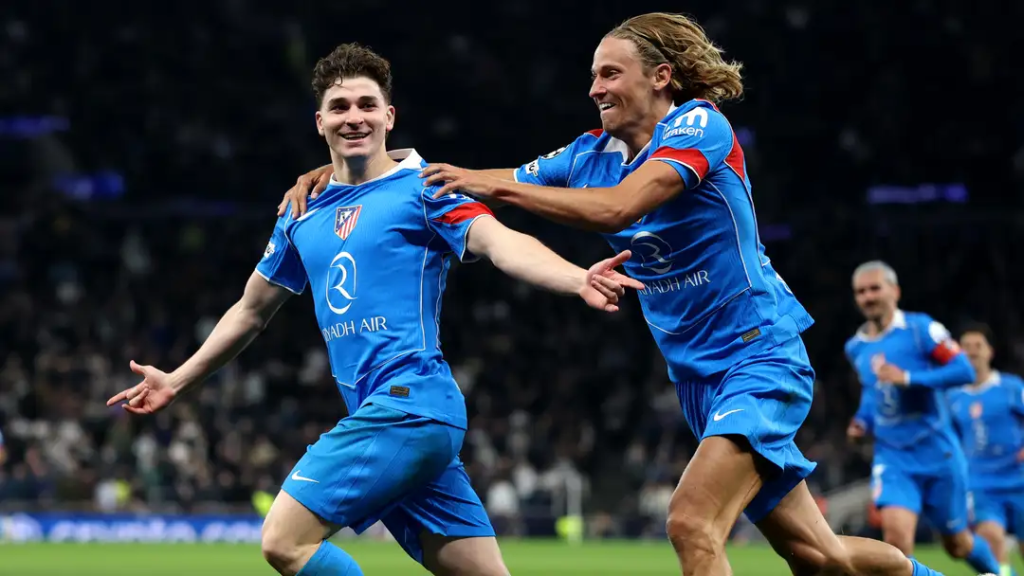
Atletico Madrid advanced past Tottenham largely thanks to the damage inflicted in the first leg, where defensive errors gifted Diego Simeone’s side control of the tie. Yet the return leg exposed vulnerabilities rarely associated with classic Atletico teams.
The modern version of Simeone’s squad carries attacking dynamism but lacks some of the defensive steel that once frustrated Europe’s elite. Julian Alvarez rediscovering scoring form is a major boost, yet defensive balance remains uncertain — a worrying sign ahead of a clash with Barcelona.
Atletico can hurt any opponent offensively, but whether they can contain elite attacking sides over two legs remains the central question.
5. Barcelona – Brilliant Going Forward, Fragile at the Back

Barcelona continue to divide opinion. Few teams in Europe attack with such freedom, yet few among the elite look as vulnerable defensively.
The 7–2 demolition of Newcastle showcased their devastating offensive potential. Lamine Yamal and Raphinha stretched defenses relentlessly, while Robert Lewandowski rediscovered his scoring instincts at precisely the right moment. Pedri’s control in midfield remains the team’s emotional and technical heartbeat.
However, Hansi Flick’s high defensive line continues to invite danger. Injuries have disrupted stability, and stronger opponents will punish the spaces Barcelona often leave exposed. Against Atletico Madrid, tactical discipline may matter more than flair.
If balance is found, Barcelona possess the attacking quality to win the entire competition. If not, their brilliance could again collapse under pressure.
4. Real Madrid – Champions League Magic Returns
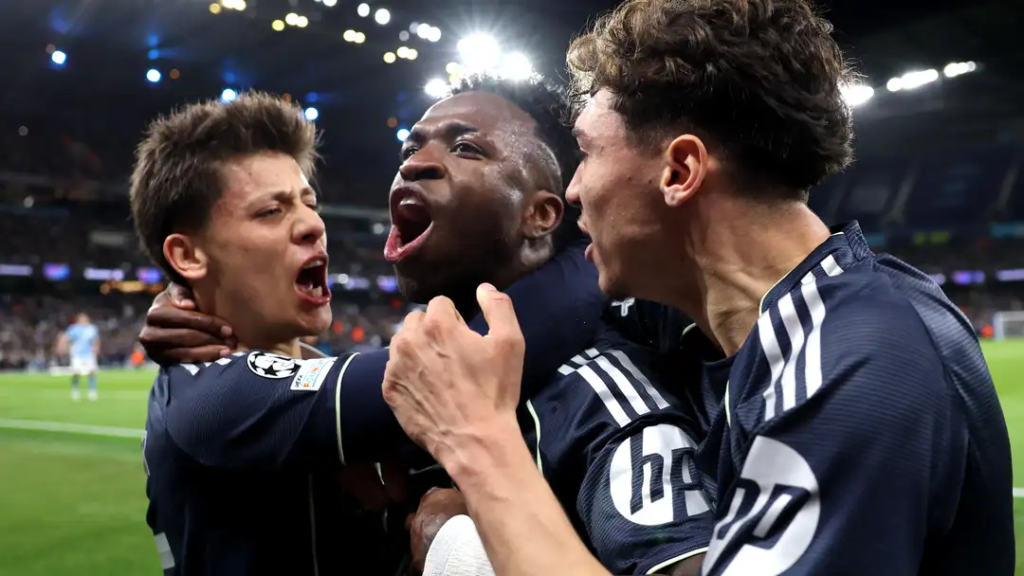
Every season seems to repeat the same lesson: writing off Real Madrid in the Champions League is a mistake.
Entering their tie against Manchester City weakened by injuries and poor domestic results, expectations were modest. Instead, Madrid delivered another reminder of their unique European resilience. Federico Valverde’s stunning first-leg hat-trick shifted the entire tie, while Vinicius Junior once again proved decisive in knockout football.
Even when under pressure, Madrid find solutions. Goalkeeper Thibaut Courtois delivered crucial moments, and tactical adaptability carried them through difficult phases.
Now facing Bayern Munich, the competition’s most explosive attacking machine, Madrid’s experience could become decisive. History suggests that when the stakes rise, few clubs manage pressure better.
3. Paris Saint-Germain – Defending Champions Regaining Rhythm
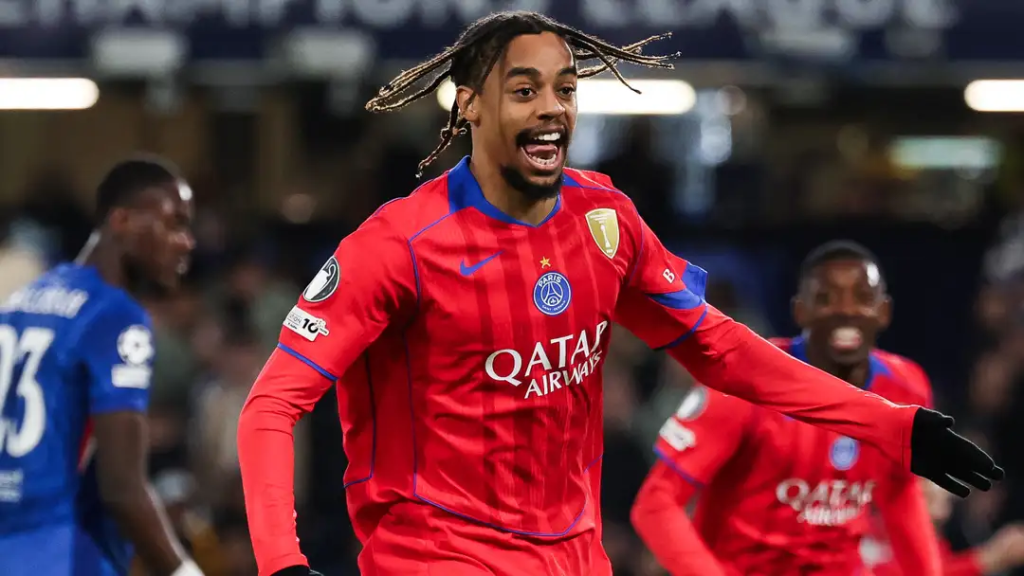
Paris Saint-Germain may not appear as dominant as last season’s title-winning side, but their demolition of Chelsea suggested a team rediscovering peak form at precisely the right moment.
Luis Enrique’s squad looks sharper physically and tactically. Khvicha Kvaratskhelia and Bradley Barcola are regaining confidence, while Ousmane Dembele’s improved fitness strengthens attacking depth. The collective structure appears more balanced than earlier in the campaign.
Liverpool now stand between PSG and another semi-final appearance. On paper, the French champions enter as favourites, but knockout football rarely respects predictions.
Still, PSG look increasingly comfortable carrying the weight of expectation — a sign of a team learning how to defend a crown.
2. Bayern Munich – Power, Depth and Relentless Efficiency
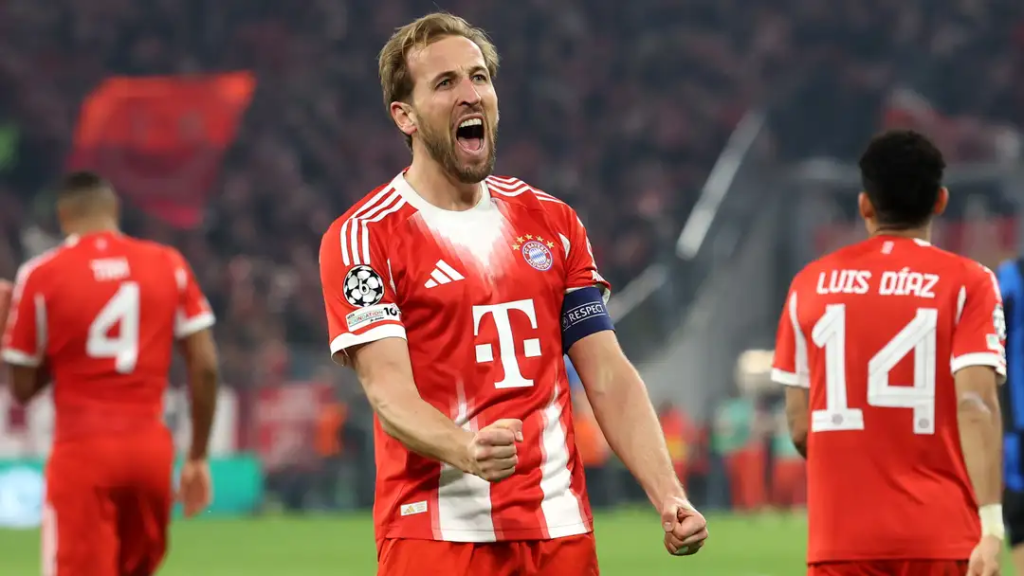
Bayern Munich hardly needed confirmation of their credentials, yet their overwhelming victory over Atalanta served as a chilling reminder of their attacking power.
Vincent Kompany has constructed a side capable of dominating physically and tactically. Even with Harry Kane absent for stretches, Bayern dismantled opponents with ruthless efficiency. Squad depth, pressing intensity, and positional flexibility make them one of the most complete teams remaining.
The draw has handed them Real Madrid — a clash worthy of a final. Bayern possess the tools to beat anyone, but overcoming Madrid’s psychological dominance in Europe represents a different challenge entirely.
1. Arsenal – Champions League Power Rankings Leaders
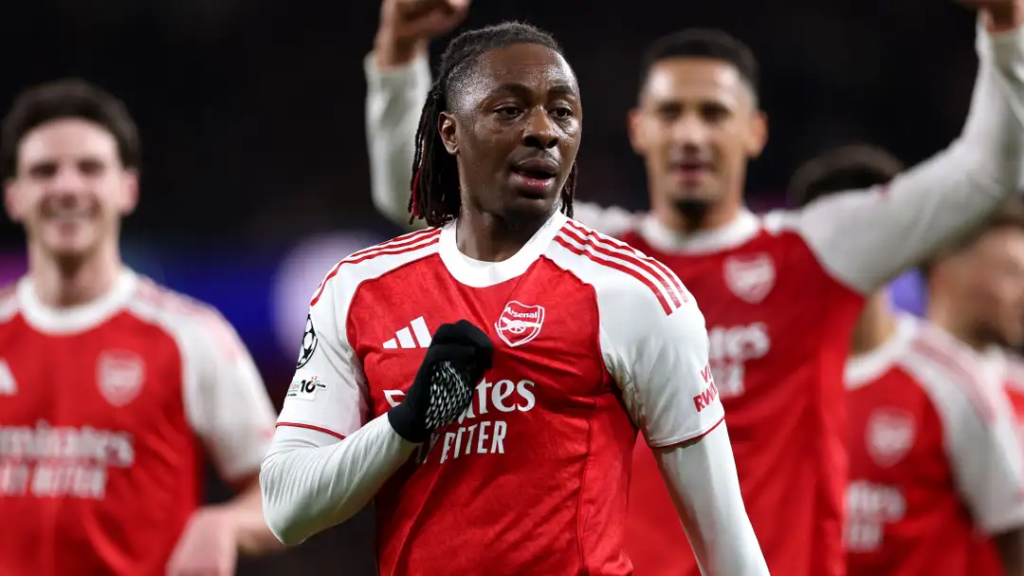
Arsenal reclaim top spot in the Champions League power rankings not because they have been flawless, but because they look the most balanced team remaining.
Their victory over Bayer Leverkusen was professional rather than spectacular. Mikel Arteta’s side managed the tie intelligently, controlling tempo and limiting risks. Declan Rice’s authority in midfield and Eberechi Eze’s breakthrough moment reflected a squad blending structure with creativity.
Crucially, Arsenal now sit on what many consider the more favourable side of the draw. Sporting CP await in the quarter-finals, and while fixture congestion remains a concern given their pursuit of multiple trophies, Arsenal appear mentally and tactically prepared for the season’s defining weeks.
Unlike previous campaigns, there is calmness about this team. They defend collectively, attack with variety, and rarely lose emotional control.
In a competition where margins are microscopic, that balance may prove decisive.
The Champions League quarter-finals promise contrasting styles, historic rivalries, and narratives shaped by momentum rather than reputation alone. Arsenal lead the race for now, but Barcelona’s attacking brilliance, Liverpool’s revival, Bayern’s power, Madrid’s experience, and PSG’s growing confidence ensure one thing above all:
Nothing about this season’s Champions League feels predictable — and that is exactly why Europe’s greatest competition remains unmatched.


There are no comments yet. Be the first to comment!