
























































































Lionel Messi and Barcelona Transfer Decisions: Josep Maria Bartomeu Breaks His Silence on the Camp Nou Debate
Did Lionel Messi Influence Barcelona Transfer Decisions? Josep Maria Bartomeu Sets the Record Straight
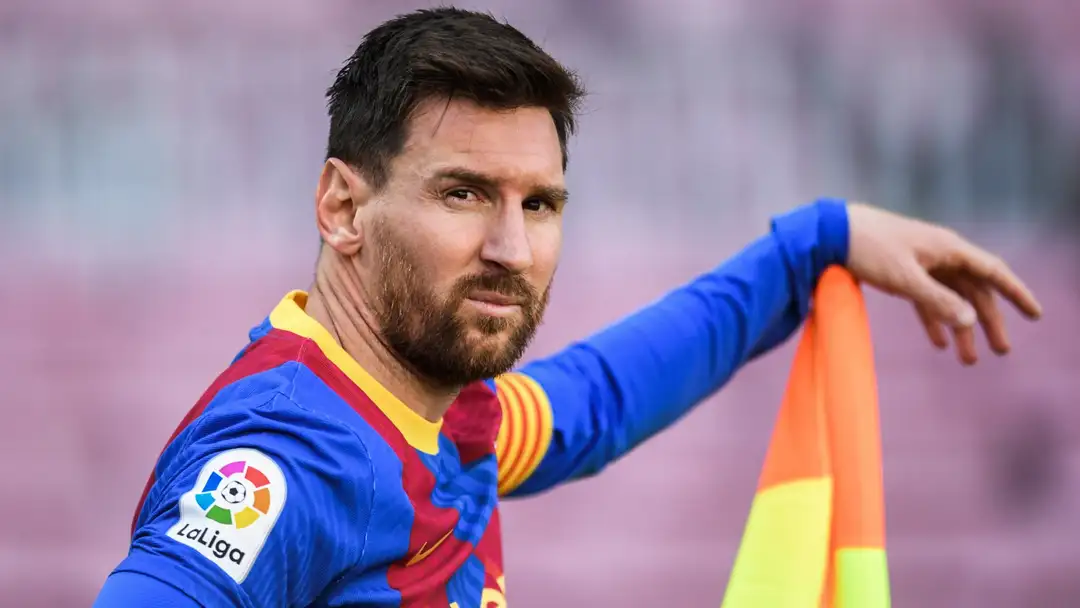
For more than a decade, one of the most persistent debates surrounding modern football has centred on a single question: just how much power did Lionel Messi truly hold at Barcelona?
Whispers of influence, rumours of dressing-room authority, and claims of behind-the-scenes decision-making followed the Argentine superstar throughout the latter stages of his legendary Camp Nou career. According to popular narrative, Messi was not only Barcelona’s greatest player but also an unofficial decision-maker — a figure whose approval supposedly shaped transfers, coaching appointments, and even the club’s long-term direction.
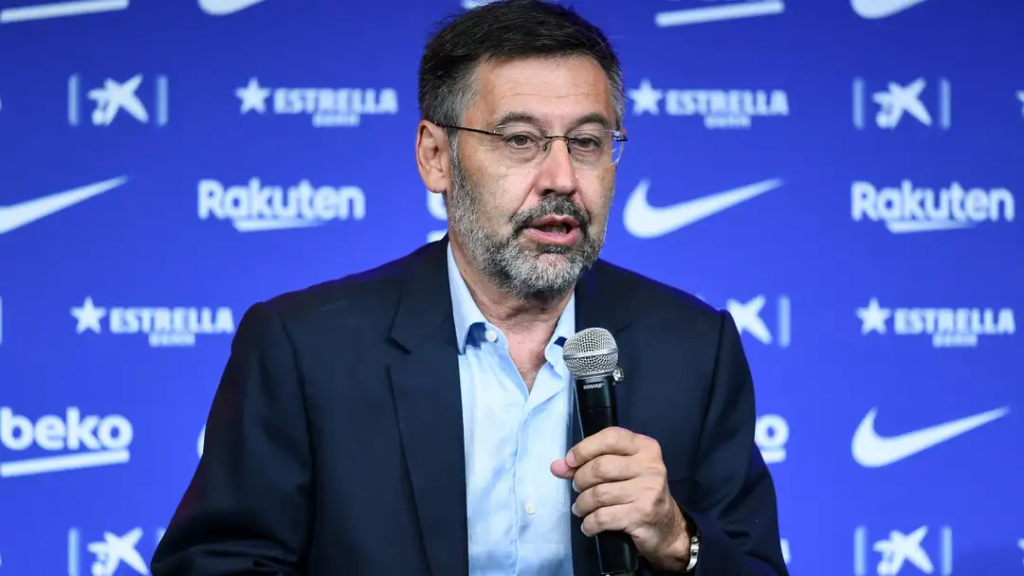
Now, former Barcelona president Josep Maria Bartomeu has stepped forward to challenge that version of events, offering his most detailed response yet to accusations that Messi acted as a “shadow director” during one of the most turbulent periods in the club’s history.
His comments reopen old wounds, revisit controversial decisions, and shed fresh light on the financial and political chaos that ultimately defined Barcelona’s transition away from the Messi era.
The Myth of Lionel Messi’s Authority Over Barcelona Transfer Decisions
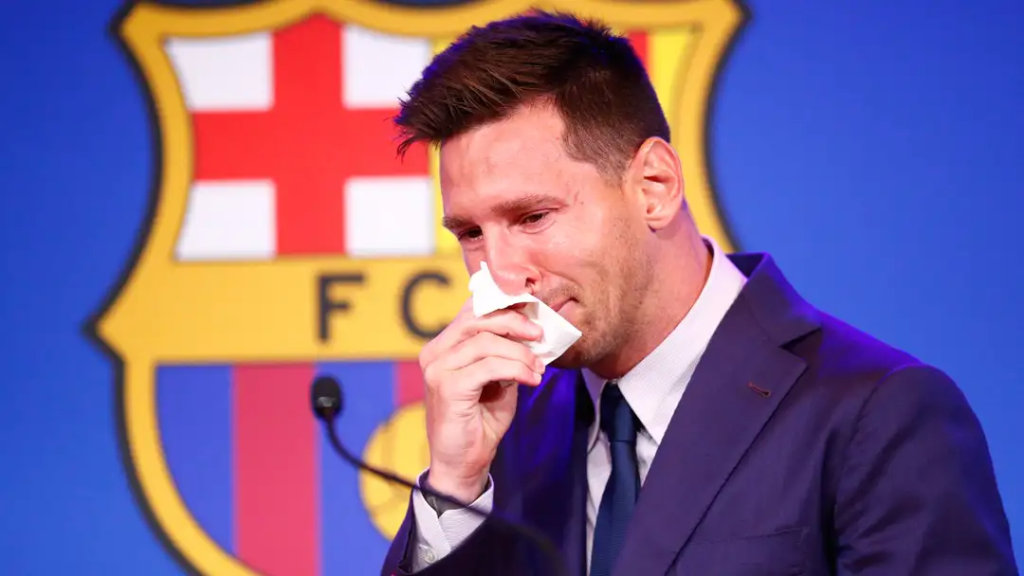
Few players in football history have commanded the respect and influence earned by Lionel Messi. As Barcelona’s talisman for nearly two decades, he delivered trophies, global prestige, and unmatched consistency. Naturally, success of that magnitude created assumptions about his role beyond the pitch.
Spanish media frequently suggested Messi possessed veto power over transfers or managerial appointments. Certain signings were labelled “Messi-approved,” while unpopular decisions were often framed as conflicts between the board and the dressing room.
Bartomeu, however, insists that narrative simply does not reflect reality.
According to the former president, Messi’s importance was undeniable from a sporting perspective — but strictly limited to football itself.
Speaking candidly, Bartomeu argued that Messi never participated in administrative decisions, recruitment strategies, or executive discussions.
In his words, Messi’s responsibility ended where most players’ roles traditionally do: on the pitch and inside the dressing room.
Barcelona’s transfer policy, he maintains, remained firmly under the control of club executives and sporting directors, regardless of the superstar’s global status.
It is a claim designed not only to defend Messi but also to reframe a period often portrayed as chaotic and player-driven.
Revisiting the 2020 Burofax Saga
No discussion of Messi’s final Barcelona years can avoid the dramatic summer of 2020 — the moment when the Argentine attempted to leave the club via a formal legal notice, widely known as the infamous burofax.
The episode shocked football, symbolising a breakdown between player and institution after years of dominance together.
Bartomeu recalls the situation as one defined less by emotion and more by responsibility. From his perspective, allowing Messi to leave freely was never a realistic option.
He described Messi as not only Barcelona’s sporting leader but also one of its most valuable financial assets. Granting a free transfer, he argued, would have been financially irresponsible given the club’s dependence on commercial revenue tied directly to Messi’s global appeal.
Bartomeu believes Messi ultimately understood the decision to block the move, staying another season partly in expectation that a future board would renew his contract under different circumstances.
Ironically, that renewal never came. When financial realities later prevented Barcelona from registering Messi under La Liga regulations, the separation became unavoidable — a moment that stunned supporters worldwide.
For Bartomeu, the episode remains misunderstood, shaped more by hindsight than by the context of the time.
Covid-19 and Barcelona’s Financial Collapse
Perhaps the most contentious element of Bartomeu’s defence concerns Barcelona’s financial crisis — an issue still shaping the club today.
The current board, led by Joan Laporta, has repeatedly described the situation inherited in 2021 as catastrophic, often referring to a “poisoned inheritance.” Bartomeu strongly disputes that characterisation.
He argues that before the Covid-19 pandemic, Barcelona’s financial trajectory was one of growth, expanding revenues, and competitive sporting success. According to his account, the global shutdown triggered an unprecedented economic shock that few institutions could have avoided.
Matchday income disappeared overnight. Commercial revenues fell sharply. Across two seasons, Bartomeu claims, Barcelona suffered losses totalling approximately €500 million — damage he considers unavoidable rather than managerial failure.
He further suggests accounting decisions made after his departure worsened the club’s financial standing by inflating losses, ultimately impacting Barcelona’s Financial Fair Play status within La Liga.
Whether supporters accept that explanation remains another matter entirely, but it highlights how deeply interpretations of Barcelona’s financial crisis remain divided along political lines.
Laporta Rivalry and Lingering Tensions
Relations between Bartomeu and successor Joan Laporta appear irreparably strained. The former president admitted there is effectively no relationship between the two, dating back to heated presidential elections years earlier.
Their rivalry reflects broader divisions within Barcelona’s identity — competing visions of governance, financial strategy, and sporting philosophy.
Despite criticism of the current administration, Bartomeu did offer praise where he felt it was deserved, particularly regarding the appointment of head coach Hansi Flick. He credited Flick with building a competitive squad while noting that many players currently forming Barcelona’s core were recruited during his own presidency.
That acknowledgment serves as both compliment and subtle reminder: the present, Bartomeu suggests, is still partially shaped by the past.
At the same time, he voiced concerns over certain strategic decisions, including external partnerships linked to the renovation of Spotify Camp Nou, illustrating ongoing disagreement about the club’s direction.
The Negreira Case and Institutional Defence
Another unavoidable topic was the Negreira refereeing scandal — one of the most controversial legal issues facing Barcelona in recent years.
Bartomeu emphasised that he cooperated fully with investigations and defended decisions taken during his tenure, noting that contracts connected to referee analysis services were terminated in 2018.
He also revealed opposition to sharing internal club documentation with rivals, arguing that protecting institutional confidentiality was essential regardless of ongoing legal proceedings.
Importantly, Bartomeu framed referee-report practices as common within football rather than unique to Barcelona — a defence aimed at contextualising accusations that have damaged the club’s reputation.
A Legacy Still Being Debated
Ultimately, Bartomeu’s comments reopen an enduring debate about responsibility during Barcelona’s most turbulent modern era.
Was Messi too powerful? Were financial problems inevitable? Did leadership decisions accelerate decline, or were they victims of extraordinary global circumstances?
The truth likely lies somewhere between competing narratives.
What remains undeniable is Lionel Messi’s central role in Barcelona’s golden age — a period defined by brilliance, trophies, and global admiration. Whether he influenced transfer decisions may continue to divide opinion, but Bartomeu’s account paints a picture of a player focused solely on football rather than boardroom politics.
As Barcelona continues rebuilding its identity in a post-Messi world, interpretations of that era will keep evolving. Presidents change, managers come and go, and squads are rebuilt — yet the questions surrounding those final years at Camp Nou refuse to fade.
Perhaps that is fitting.
Because when a club and a player become as intertwined as Barcelona and Lionel Messi once were, separating myth from reality is never simple — and history is rarely written from only one perspective.


There are no comments yet. Be the first to comment!