







































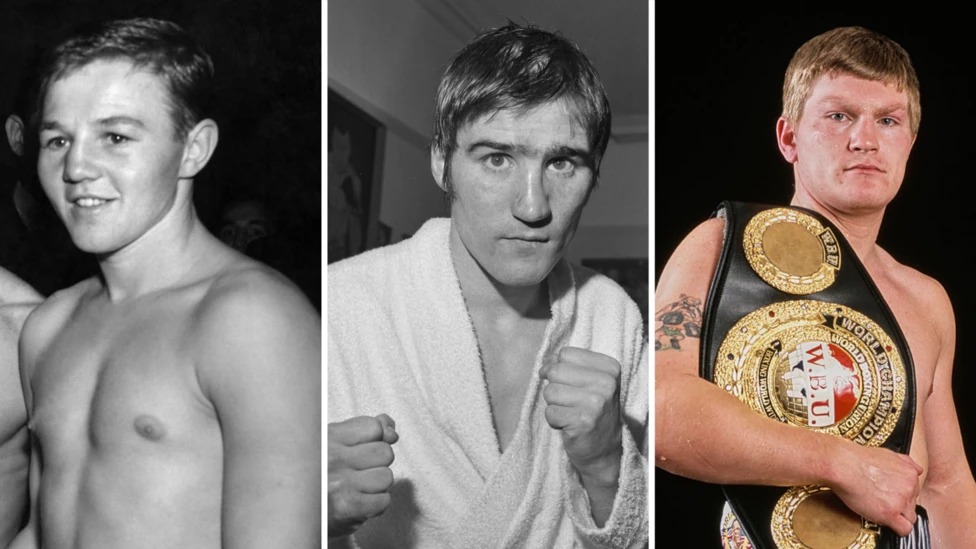
Is boxing failing its heroes after retirement?
When the lights go out: boxing’s hidden crisis
Behind the glamour and roar of fight night lies a growing concern:
Is boxing abandoning its fighters once their careers end?
Stories like Terry Spinks highlight a harsh reality — fame and success offer little protection from long-term physical and mental decline.
From Olympic hero to silent suffering
Spinks was once a national icon:
- Olympic gold medalist at Melbourne 1956
- One of Britain’s biggest sports stars of his era
But later in life:
- Battled alcoholism
- Developed severe neurological damage
- Lost memory of loved ones
His story reflects a wider issue:
Boxing glory rarely translates into long-term security or care
Could dedicated care homes be the solution?
Ringside Charity Trust is pushing for change.
Their proposal:
- A 36-bed specialist care home for ex-boxers
- Staff trained in boxing-related injuries
- Facilities designed for former fighters (e.g. watching old fights)
Supporters argue it would:
- Restore dignity
- Provide community
- Address unique medical needs (e.g. dementia, brain trauma)
The biggest obstacle: funding
The debate centers on money and responsibility.
Proposed solutions:
- Small levy on fight tickets
- Mandatory contributions from active fighters
Opposition:
British Boxing Board of Control argues:
- Boxers are self-employed
- Mandatory levies are “not appropriate”
- Existing insurance already covers major risks
Reality:
There are more retired fighters than active ones, making long-term funding extremely difficult.
“Once you lose, you’re kicked to the kerb”
Modern fighters echo the same concerns.
Liam Cameron described his post-career struggles:
- Career collapse after suspension
- Battles with addiction
- Lack of institutional support
“No-one helped me… it’s a brutal sport.”
Even legends like Ricky Hatton serve as warnings — success does not guarantee happiness or stability after retirement.
A sport built on sacrifice
Boxing is unique:
- Repeated head trauma
- High physical and psychological toll
- Short earning window
Yet:
Long-term care systems remain fragmented
Support often depends on family, not institutions
Final thought
Boxers often say they would choose the sport again — even knowing the risks.
But that raises a deeper question:
Should love for the sport be enough?
Or should boxing finally match that passion with proper lifelong care?
Until that gap is closed, the sport risks continuing a troubling pattern:
Heroes in the ring
Forgotten outside it


There are no comments yet. Be the first to comment!