




























































Barcelona Fight Back in Atlético Madrid Clash as Hansi Flick Decisions Spark Crucial LaLiga Momentum
Stunning comeback in Atlético Madrid clash relieves pressure on Hansi Flick and reshapes Barcelona’s LaLiga title push
There are matches that shape seasons, and then there are matches that shape narratives. Barcelona’s dramatic comeback against Atlético Madrid felt very much like the latter — a night where pressure, expectation, and tactical courage collided to produce a result that may yet define Hansi Flick’s first campaign in charge.
Heading into the LaLiga Round 30 encounter, Barcelona knew exactly what was at stake. Sitting at the top of the table and chasing another victory to extend their advantage, the Catalan side arrived in Madrid carrying both confidence and uncertainty. Injuries had stretched the squad, critics had begun questioning consistency, and whispers surrounding the club’s wider instability refused to disappear.
Yet football often rewards resilience, and Flick’s Barcelona delivered a performance that suggested belief inside the dressing room remains stronger than outside noise.
Hansi Flick balances risk and recovery in Barcelona squad selection
In the hours before kickoff, attention turned toward Flick’s squad announcement — a selection that revealed both encouraging news and lingering concerns.
Defenders Jules Koundé and Alejandro Balde returned after receiving medical clearance, providing a timely boost to a defensive line that had looked increasingly stretched in recent weeks. Their availability immediately restored balance to Barcelona’s tactical structure, particularly against an Atlético Madrid side renowned for exploiting defensive transitions.
However, the injury list remained significant.
Frenkie de Jong, Raphinha, and Andreas Christensen were all ruled out, forcing Flick to once again reshuffle key areas of his lineup. Losing De Jong meant sacrificing midfield control, while Raphinha’s absence removed one of Barcelona’s most direct attacking outlets.
Rather than adopting a conservative approach, Flick leaned into flexibility — a recurring theme of his tenure so far.
The selected squad reflected depth and youth blended with experience:
Goalkeepers: Juan García, Ciesny, Éder Alier
Defenders: João Cancelo, Alejandro Balde, Ronald Araújo, Pau Kubarsí, Gerard Martín, Jules Koundé, Eric García, Xavi Espart
Midfielders: Gavi, Pedri, Ferran López, Casadó, Dani Olmo, Bernal, Tommy
Forwards: Ferran Torres, Robert Lewandowski, Lamine Yamal, Marcus Rashford, Rony Barge
It was a group built not just to survive injuries, but to maintain Barcelona’s attacking identity.
Atlético Madrid clash tests Barcelona’s mentality as much as tactics
Facing Atlético Madrid away from home is rarely about aesthetics. Diego Simeone’s teams specialise in emotional warfare — compact defensive structures, relentless pressing triggers, and moments designed to unsettle opponents mentally as much as physically.
Barcelona initially struggled to impose rhythm. Atlético’s aggressive midfield disrupted passing lanes, forcing Barcelona into wider areas where attacking combinations stalled.
For long stretches, the match unfolded exactly as Atlético preferred: tense, fragmented, and emotionally charged.
And when Barcelona fell behind, familiar doubts resurfaced.
Recent performances had shown flashes of brilliance but occasional fragility when momentum turned. Critics questioned whether Flick’s evolving system possessed enough defensive stability to withstand elite opposition.
What followed, however, became the defining chapter of the evening.
Barcelona’s stunning comeback reveals Flick’s growing influence
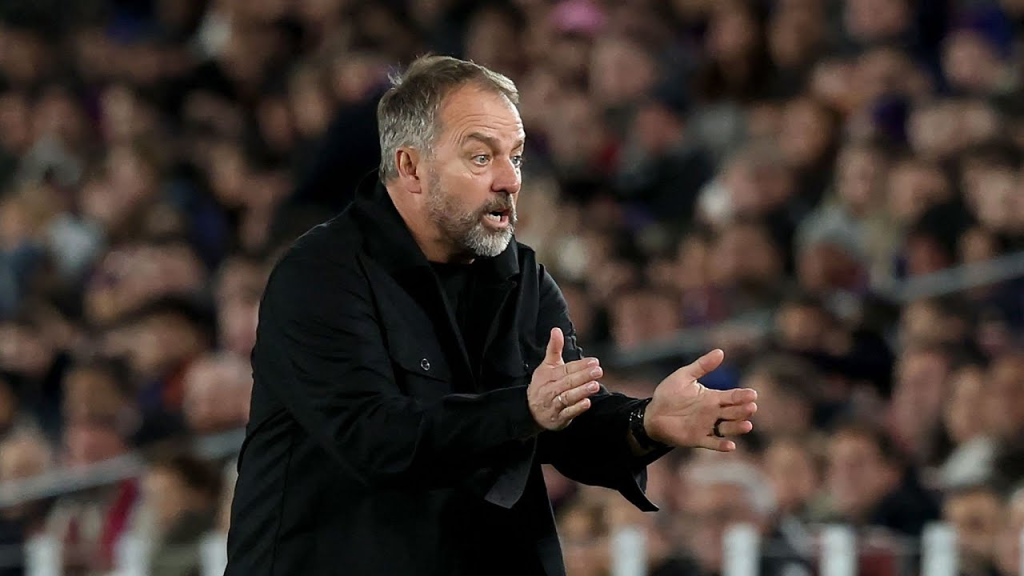
The turning point did not arrive through a single tactical tweak but through gradual control.
Pedri began dictating tempo between the lines, Gavi increased pressing intensity, and the return of Balde provided width that stretched Atlético’s defensive block. Slowly, Barcelona transitioned from reactive to assertive.
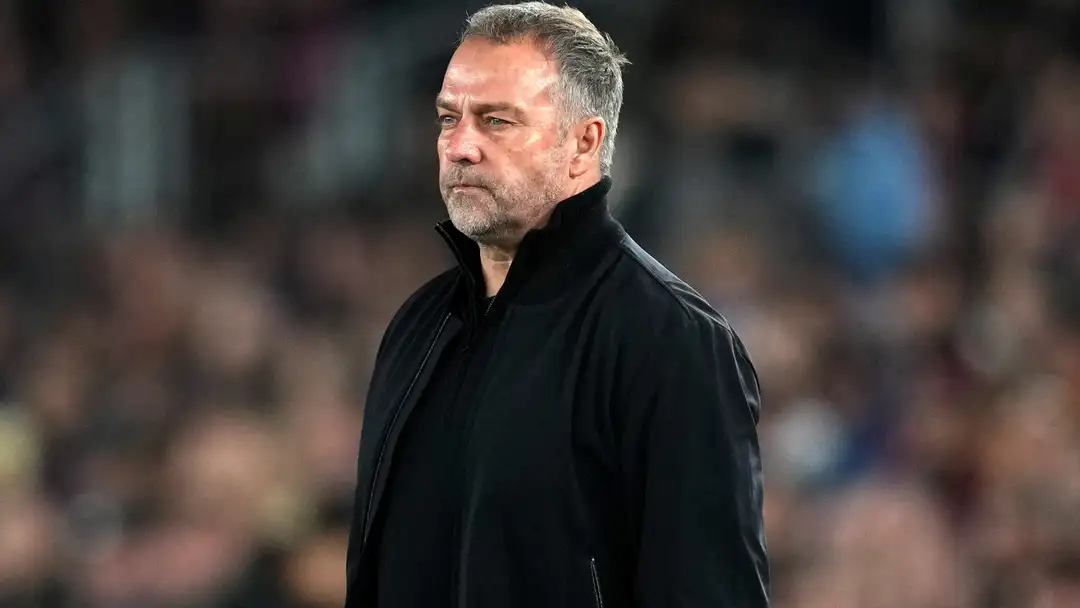
Flick’s sideline presence was notable — animated but composed, constantly adjusting positioning rather than making wholesale structural changes.
The equaliser arrived as reward for sustained pressure rather than sudden inspiration. From that moment, belief visibly surged through the team.
Barcelona’s second goal, completing the comeback, showcased the principles Flick has tried to embed since arriving in Spain: quick vertical transitions, overlapping full-backs, and coordinated attacking movement around Lewandowski’s positioning.
It was less about individual brilliance and more about collective conviction.
For Flick personally, the comeback felt symbolic. Recent scrutiny surrounding results and squad management had intensified expectations, but nights like this strengthen managerial authority inside a club environment often prone to volatility.
Youth and experience combine to drive Barcelona forward
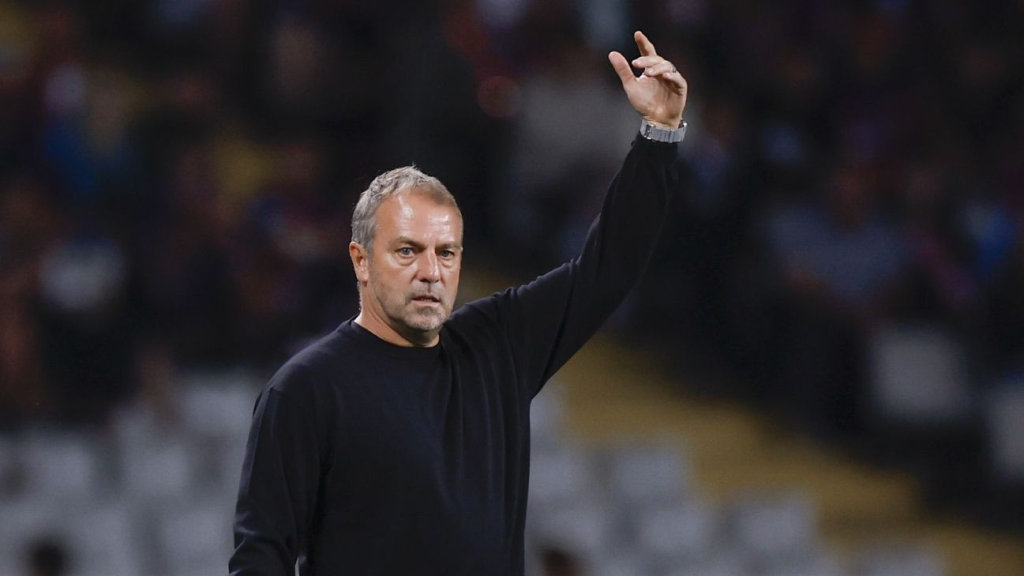
One of the most encouraging aspects of the performance was how seamlessly Barcelona’s generational blend functioned under pressure.
Young talents like Lamine Yamal continued to show fearless creativity, while experienced figures such as Lewandowski provided calm decision-making in decisive moments.
This balance reflects Flick’s long-term vision — not a return to nostalgia-driven football but an evolution built around positional intelligence and adaptability.
The absence of key players forced others into responsibility, and the response suggested growing maturity within the squad.
Koundé’s return stabilised defensive transitions, while Balde’s pace offered attacking outlets that had been missing during his injury spell.
Barcelona did not merely win; they adapted.
LaLiga title race implications after Atlético Madrid victory
The victory carries consequences beyond three points.
Extending their lead at the top of LaLiga strengthens Barcelona’s psychological advantage during the season’s closing weeks. Title races often hinge on momentum, and comeback wins — particularly away against direct rivals — generate belief that spreads quickly through a squad.
For Atlético Madrid, the defeat represents a missed opportunity to disrupt Barcelona’s rhythm.
For Barcelona, it reinforces the sense that Flick’s methods are beginning to take root.
Consistency remains the final challenge. Injuries still threaten squad continuity, and upcoming fixtures will test depth further. Yet performances like this suggest Barcelona are learning how to win in different ways — not just through dominance, but through resilience.
Flick’s Barcelona beginning to find its identity
Perhaps the most important takeaway from the Atlético Madrid clash is not tactical or statistical but emotional.
Barcelona looked united.
There was urgency without panic, confidence without arrogance — qualities that have occasionally been absent during transitional periods in recent seasons.
Flick has spoken repeatedly about mentality, discipline, and collective responsibility. Against Atlético, those concepts finally translated into a performance that felt cohesive from start to finish.
Managers are often judged not by perfect victories but by how teams respond when matches drift away from them. In Madrid, Barcelona responded with clarity and courage.
As LaLiga enters its decisive phase, this comeback may be remembered as more than just another result. It could prove to be the moment when Flick’s Barcelona stopped searching for identity — and started believing they had already found it.


There are no comments yet. Be the first to comment!