





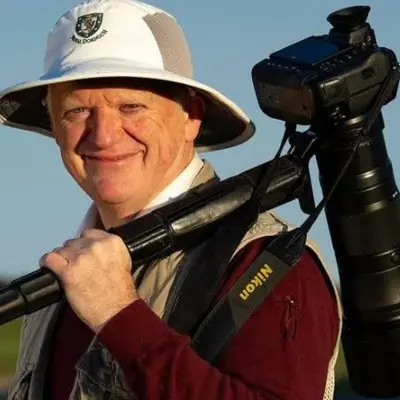
From Seve Dance to Tiger Triumph: Inside the Art of Capturing Golf Greatest Photographs
Golf moves slowly — until suddenly it doesn’t. One swing, one reaction, one fleeting expression can define an entire era. For photographers, that unpredictability is both the challenge and the addiction. Across more than five decades of major championships, Ryder Cups, and unforgettable Sundays, some images have come to represent golf itself: Seve’s dance of joy, Rory’s roar, and Tiger’s unmistakable fist pump.
Behind every iconic photograph lies a mixture of instinct, patience, preparation, and sometimes pure luck. The images fans remember forever are rarely accidental, even when they appear spontaneous. They are the result of years spent learning where emotion meets timing.
This is the story behind some of golf’s most memorable photographs — moments where sport, personality, and photography collided perfectly.
Seve’s Dance: The Moment That Changed Everything
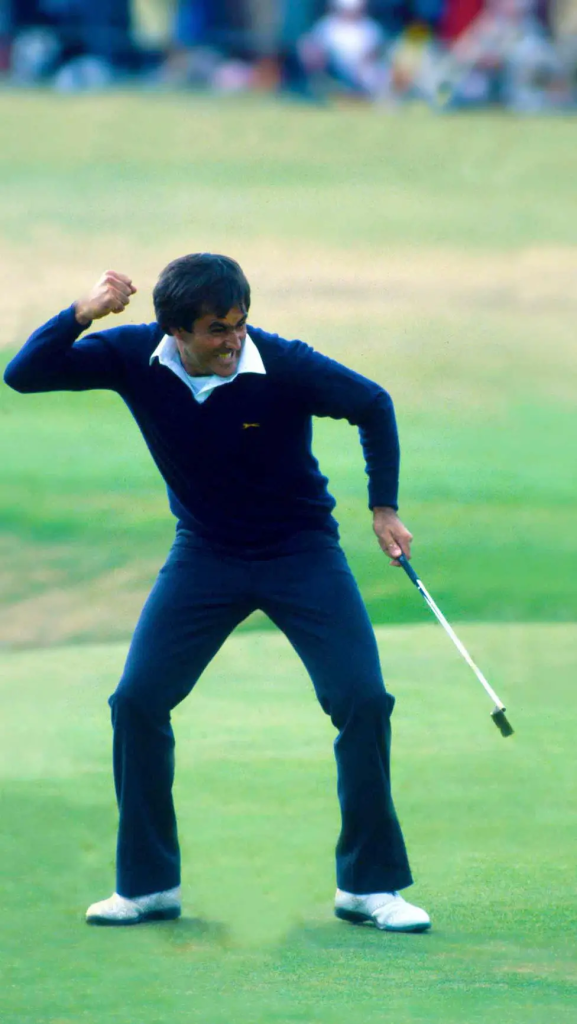
Every photographer remembers their breakthrough shot. For many in golf photography, few moments carry the emotional weight of Seve Ballesteros’ celebration at the 1984 Open Championship.
The image — often simply called Seve’s dance — captured a split second when everything aligned: the raised arm, the angled putter, the stride full of energy, and a face bursting with triumph. Only a handful of photographers caught it, and even fewer framed it perfectly.
At the time, it was just another assignment covering the final day for a newspaper. But experience plays a quiet role in moments like these. After nearly a decade shooting sport, there was already an understanding of how Ballesteros celebrated — expressive, emotional, impossible to predict yet somehow readable.
Great sports photography always carries an element of chance, but positioning yourself correctly is rarely luck. Knowing where to stand, anticipating movement, and trusting instinct turned that fraction of a second into one of the defining images of modern golf.
The photo was taken with manual focus equipment — a reminder of how unforgiving photography once was. Only later, back in the lab after an overnight drive, came the relief of seeing the image sharp and alive. Within weeks it appeared in magazines across Europe and Japan, and decades later it still resonates with fans.
Tiger’s Triumph: Planning the Perfect Image
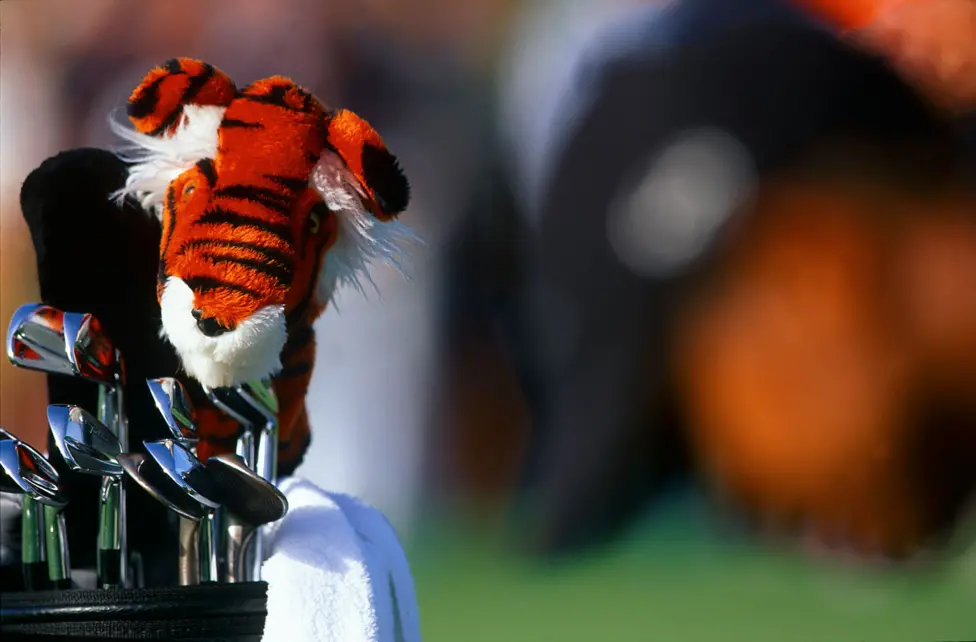
If Seve’s moment was instinctive, photographing Tiger Woods often required strategy bordering on obsession.
Some athletes are instantly recognizable even in silhouette, and Tiger belongs firmly in that category. His presence alone tells a story. Yet capturing something truly different demanded patience.
The goal was simple but ambitious: create an image focused sharply on Tiger’s famous tiger headcover while allowing Woods himself to become almost abstract within the frame. It took months — even years — of attempts before the opportunity finally arrived.
That chance came during the 2001 Dubai Desert Classic. As Woods bent down on the 18th fairway to check the wind direction, the composition suddenly appeared. No staging, no interference — just awareness and readiness.
Golf photographers often rely on relationships within the traveling circus of tour life. Conversations with caddies, understanding routines, and reading body language all help create opportunities. But even with preparation, moments like this cannot be forced. They simply arrive — and disappear — within seconds.
Rory’s Roar and the Long Wait at Augusta
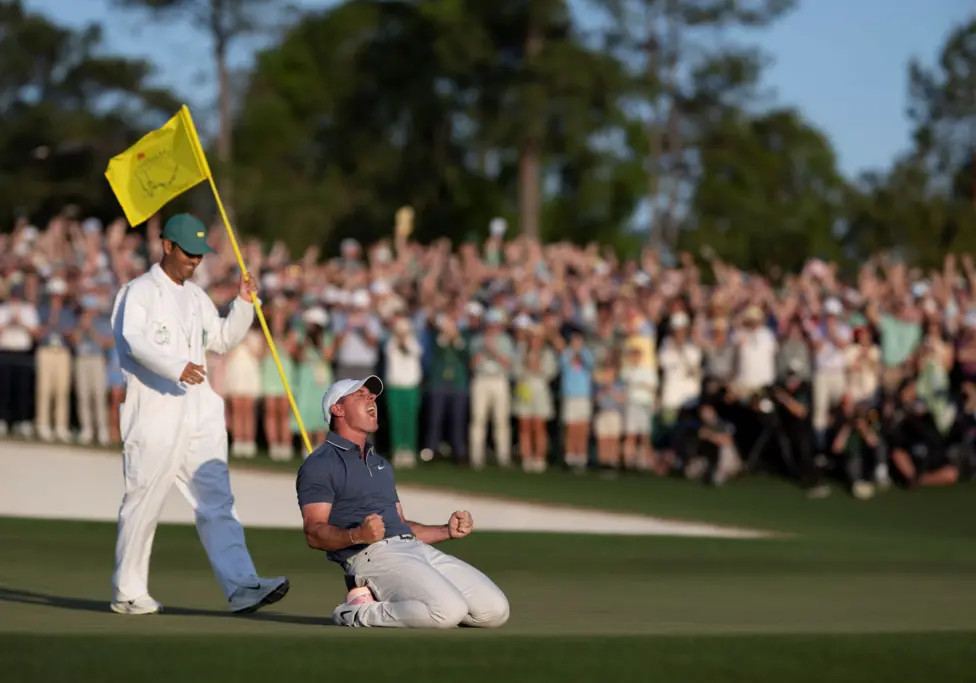
Few places test a photographer’s patience like Augusta National. Access restrictions and traditions mean preparation begins long before the action unfolds.
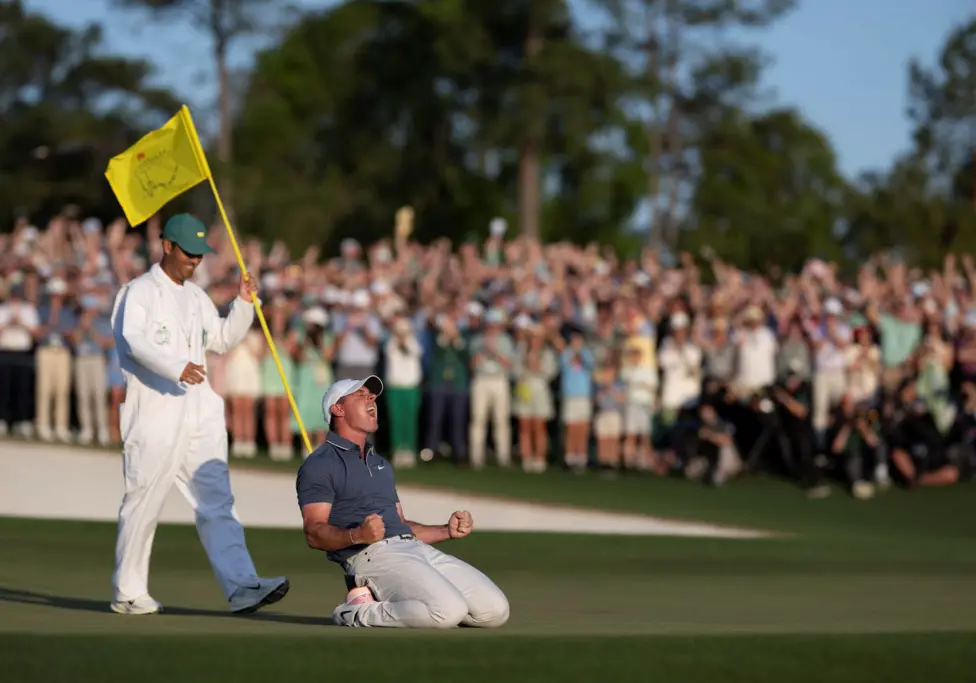
To capture Rory McIlroy completing the career Grand Slam at the Masters, preparation started at 06:15 in the morning — nearly twelve hours before the decisive putt dropped.
At Augusta, patrons place chairs beside greens and trust that nobody will move them. Choosing the right location becomes a calculated gamble shaped by decades of experience: understanding sunlight angles, tree shadows, and crowd movement.
When McIlroy finally holed the winning putt, the reaction was raw and unforgettable. Years of watching his journey added a personal layer to the moment. Photographers strive for professionalism, but sometimes emotion breaks through the lens.
The resulting image captured more than victory — it captured release, relief, and history.
Focus and Pressure: Faldo’s First Major
Not every iconic photograph shows celebration. Some reveal tension instead.
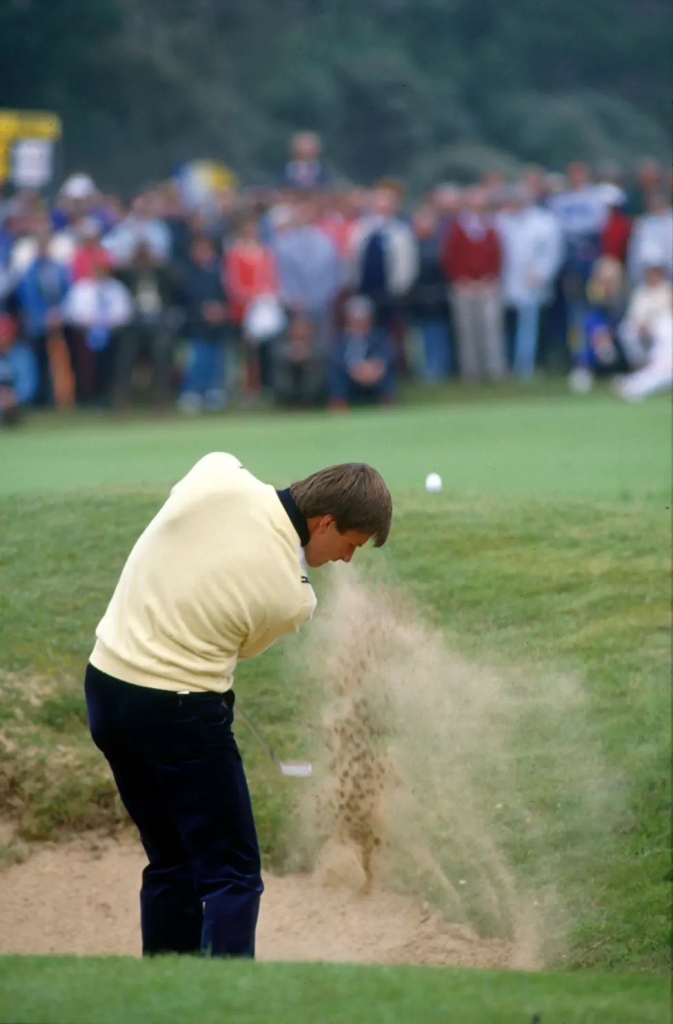
Sir Nick Faldo’s victory at the 1987 Open Championship was defined by patience — an extraordinary round built on consistency rather than drama. One photograph from that day captures a crucial approach shot, a moment where everything could have slipped away.
Faldo later described it as a defining shot of his round. The image freezes concentration itself: shoulders tight, eyes fixed, determination visible. It represents the quieter side of winning — endurance rather than explosion.
Sometimes the most powerful sports images show what might have gone wrong instead of what went right.
Ryder Cup Psychology in a Single Frame
Golf photography is not always about swings or celebrations. Body language can tell stories that scorecards cannot.
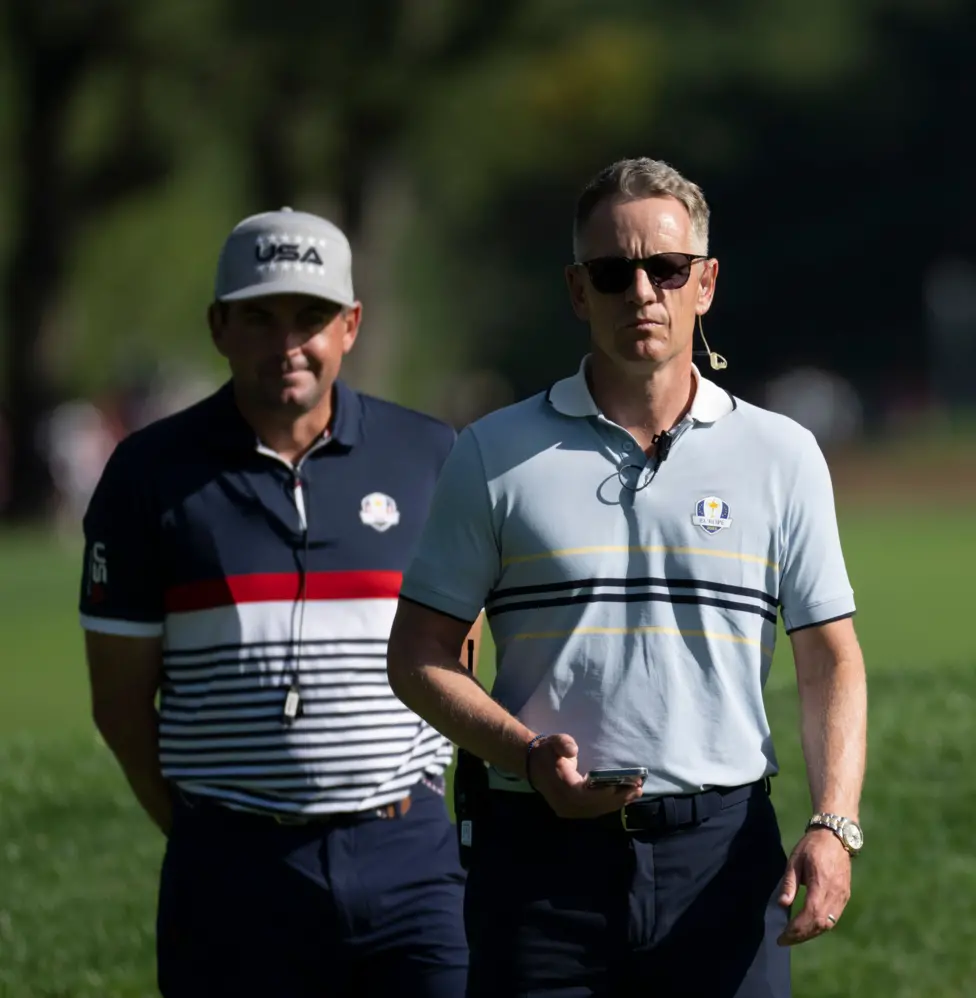
During the opening morning of Europe’s Ryder Cup victory at Bethpage, a brief encounter between captains Luke Donald and Keegan Bradley created such a moment. One appeared calm and composed, walking confidently ahead; the other carried visible tension.
The match unfolding nearby suddenly became irrelevant. The photograph was no longer about golf shots but leadership, pressure, and emotion — the invisible battle shaping the competition.
Great photography often means ignoring the obvious action and trusting intuition instead.
Legends Beyond Competition
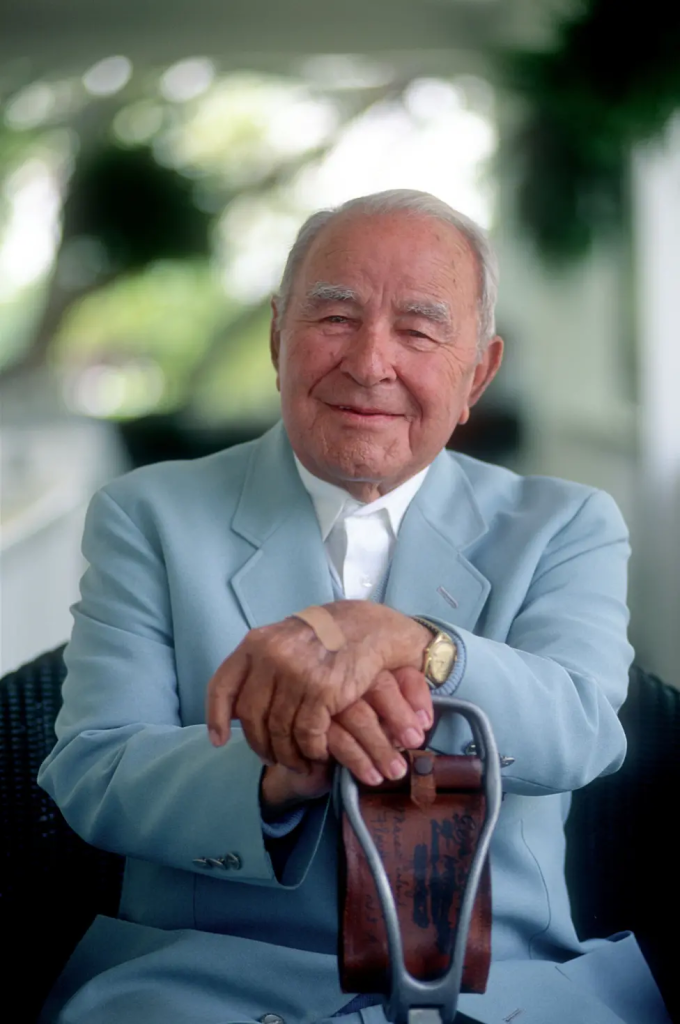
Some of the most treasured images come away from competition entirely. A portrait session with Gene Sarazen at Augusta National in 1994 became one such memory.
The seven-time major champion, already in his nineties, shared stories of early golf legends and the invention of the modern sand wedge. Conversation relaxed the atmosphere, allowing a natural portrait rather than a posed image.
Photography, at its best, becomes storytelling. The camera records not just faces but history itself.
Wondrous Woods: Pain, Drama, and Greatness
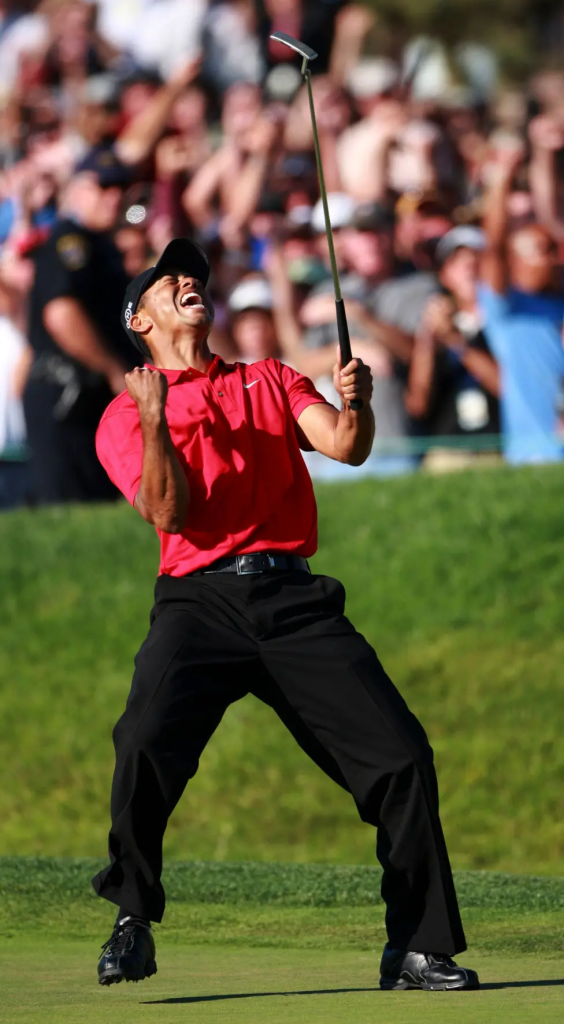
Tiger Woods’ 2008 US Open victory stands among golf’s most dramatic chapters. At the time, few realized the extent of the injury he was playing through, which made every reaction more meaningful in hindsight.
One photograph captured Woods after holing a crucial birdie putt to force a playoff. The emotion was raw, almost defiant — a champion refusing to yield.
Inside-the-ropes access allowed photographers to anticipate the moment, moving into position before the decisive putt. Preparation met opportunity again, producing an image that symbolized resilience.
The Evolution of Golf Photography
Modern technology has transformed the craft. Drones, autofocus systems, and digital workflows have replaced many of the technical limitations photographers once faced.
Yet technology alone does not create great images.
A drone guarantees perspective, not storytelling. Composition, light, and instinct still matter most. A sunrise shot over Royal Dornoch — captured quietly away from major championship chaos — proves that golf photography remains as much about atmosphere as action.
Why the Game Still Inspires the Lens
After photographing more than 150 major championships and every Ryder Cup since the mid-1980s, choosing a single favourite image remains impossible.
Seve’s dance marked the beginning. Tiger’s triumph defined an era. Rory’s roar provided a fitting late-career highlight.
What connects them all is emotion. Golf may unfold at a measured pace, but its defining moments arrive suddenly and disappear instantly. The photographer’s task is simple in theory and endlessly difficult in practice: be ready when history happens.
Even after decades of long days, pressure, and constant travel, the passion remains unchanged. Because somewhere on the course — perhaps on the next green, the next swing, the next celebration — another unforgettable photograph is waiting.



There are no comments yet. Be the first to comment!