









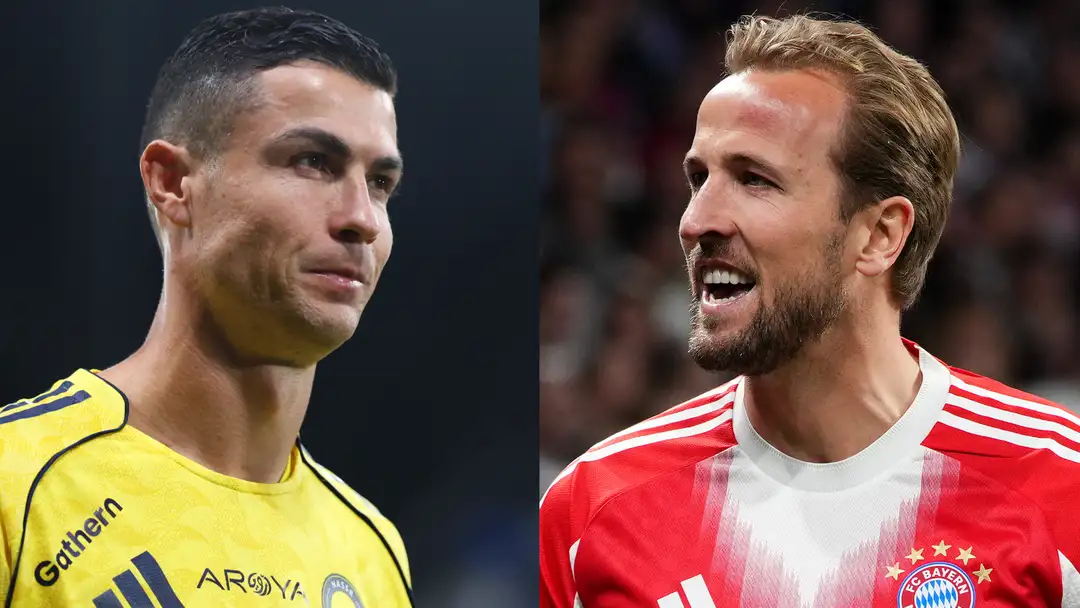
Chasing Longevity: Why Harry Kane Could Follow Cristiano Ronaldo Into His 40s
Harry Kane, Cristiano Ronaldo and the Case for Playing Into His 40s
There was a time when footballers quietly drifted toward retirement in their mid-30s, bodies worn down, legs heavy, and the game moving on without them. That script doesn’t quite hold anymore. Not when players like Cristiano Ronaldo are still setting the pace well into their 40s—and not when someone like Harry Kane is rewriting what it means to be a modern striker.
The conversation around Kane’s longevity has gathered momentum again, and not without reason. At 32, the Bayern Munich forward is not slowing down—if anything, he’s evolving. The goals keep coming, the influence remains constant, and the idea of him extending his career into his late 30s or even 40s doesn’t feel far-fetched anymore.
Former England international Gareth Barry certainly doesn’t think so. His view is simple, almost dismissively so: “Why wouldn’t he?”
And that question lingers, because once you look beyond the surface, it starts to make a lot of sense.
A Game Built to Last: Why Harry Kane Fits the Long Game
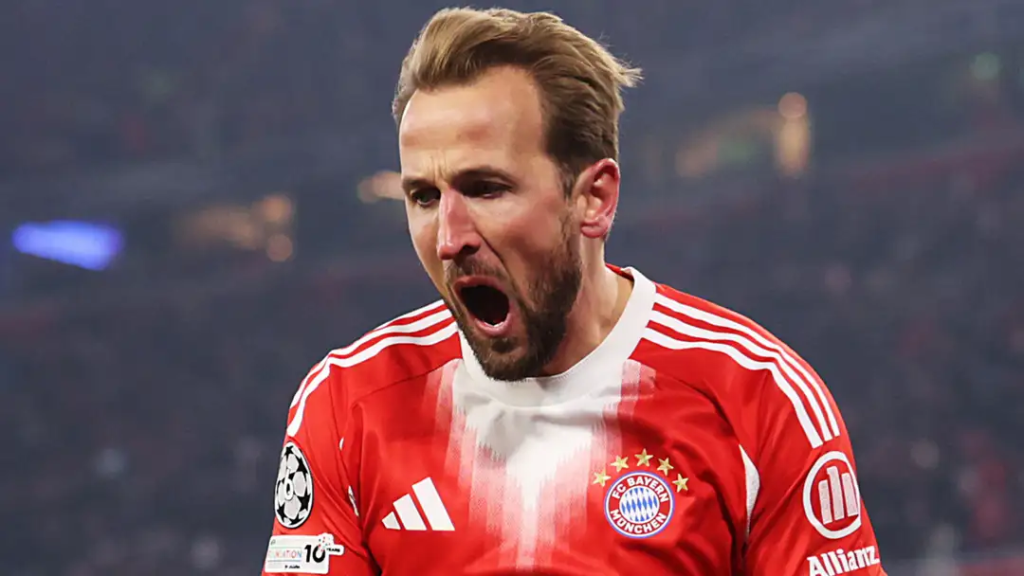
Not all strikers age the same way. Some rely heavily on explosive pace, others on physical dominance. When those attributes fade, so does their edge. Kane, though, has always played a different kind of game.
He’s never been about raw speed. His strengths lie elsewhere—positioning, timing, awareness. The kind of qualities that sharpen with experience rather than diminish.
Watch him closely and you’ll notice how little he wastes. Every movement has intent. Every touch is calculated. He doesn’t chase the game—he reads it. That’s why his influence often stretches far beyond the penalty box.
Kane drops deep, links play, picks passes others don’t see. He’s as comfortable creating chances as he is finishing them. And that versatility is what makes the idea of longevity so realistic.
Barry touched on it perfectly—Kane doesn’t rely on physical traits that naturally decline. His game is built on intelligence, and that tends to age well.
Learning from the Greats: Ronaldo and Messi as Blueprints
Modern football has its own case studies when it comes to longevity. Lionel Messi and Ronaldo have redefined the limits, pushing well beyond what used to be considered the norm.
Ronaldo, now into his 40s, has adapted his game over time. The winger who once terrorised defenders with pace has become a more central figure, conserving energy, choosing his moments. Messi, too, has transitioned—less about constant movement, more about decisive impact.
Kane sees that. He studies it. And more importantly, he understands how to apply it to his own game.
He’s spoken openly about drawing inspiration from both players, not just in terms of performance but in professionalism. Diet, recovery, mental focus—these are the details that extend careers.
There’s also a shift in the sport itself. Advances in sports science, nutrition, and recovery have changed the landscape. Players are better equipped than ever to maintain peak condition for longer.
In that environment, someone like Kane is perfectly positioned to thrive.
England’s Perspective: A Captain Who Still Has More to Give
From an international standpoint, the implications are huge. Kane isn’t just another player—he’s England’s captain, their all-time leading scorer, and the focal point of their attack.
There’s no obvious successor waiting in the wings. No natural No.9 ready to step into his role and replicate what he offers.
That’s why voices like Barry’s carry weight. If Kane can extend his career at the highest level, it buys England time. Time to develop alternatives, yes—but also time to continue building around a player who consistently delivers.
With major tournaments on the horizon, including the upcoming FIFA World Cup, Kane’s presence becomes even more significant.
It’s not just about goals. It’s about leadership, experience, and the calm he brings in high-pressure moments.
Bayern Munich and Managing the Present
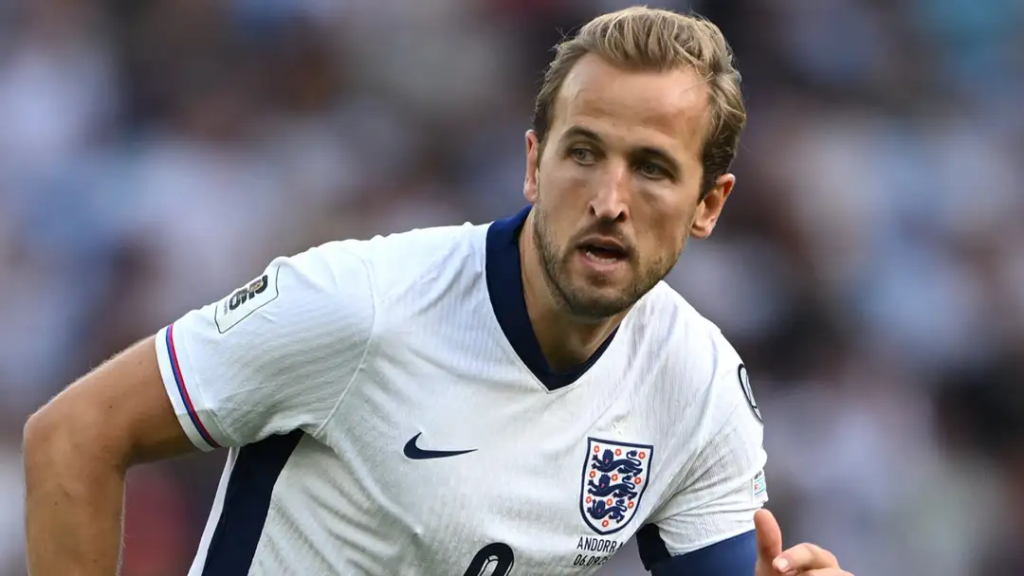
At club level, Bayern are already thinking long-term—but they’re also being careful with the present. Kane has been managed smartly in recent weeks, with minor knocks handled cautiously and minutes controlled where necessary.
It’s a balancing act. Bayern need him fresh for the biggest moments, particularly in the UEFA Champions League, where margins are razor-thin and experience often proves decisive.
And Kane, for his part, seems fully aligned with that approach. There’s no sense of urgency, no desperation to play every minute. It’s a sign of maturity—and perhaps a hint that he’s already thinking about the long game.
Because longevity isn’t just about playing longer. It’s about managing yourself differently.
The Second Act: Can Kane’s Best Years Still Be Ahead?
There’s an interesting way Kane has framed his career recently. He talks about entering the “second half.” Not winding down, but building toward something more.
It’s a subtle shift in mindset, but an important one.
Many players peak early and spend their later years trying to hold onto that level. Kane seems to be doing the opposite—refining, adapting, and arguably becoming more complete with time.
The numbers support that idea. Season after season, he continues to deliver. Goals, assists, overall contribution—it’s all there.
And when you combine that output with his evolving role on the pitch, it’s not hard to imagine him maintaining a high level well into his late 30s.
Forty? Maybe. It still sounds ambitious. But then again, so did Ronaldo playing at 41 not too long ago.
The Mental Edge: Professionalism Above All
If there’s one factor that underpins all of this, it’s professionalism.
Kane isn’t a player who courts headlines off the pitch. He’s disciplined, focused, and consistent in his habits. Those qualities don’t just sustain performance—they extend careers.
Barry alluded to it in simple terms: Kane “keeps to himself.” It might sound like a small detail, but in elite sport, it matters.
Longevity isn’t just physical. It’s mental. It’s about maintaining motivation, handling pressure, and staying committed when others begin to fade.
Kane has shown no signs of losing that edge.
A Future That Feels Open-Ended
So, can Harry Kane really emulate Cristiano Ronaldo and play into his 40s?
There’s no definitive answer, of course. Football rarely follows a script. Injuries, form, and countless other variables can shift the trajectory of any career.
But what’s clear is this: Kane has the tools, the mindset, and the environment to make it possible.
And perhaps more importantly, he has the desire.
Because when you listen to him speak about the future, there’s no sense of limitation. No fixed endpoint. Just a quiet belief that there’s more to come.
For Bayern, for England, and for the game itself, that’s a compelling thought.
And maybe Barry was right to keep it simple all along.
Why wouldn’t he?


There are no comments yet. Be the first to comment!