

















































A New Era for Juventus? Tether’s Bold Move Threatens to End the Agnelli Dynasty
Juventus, Tether and Serie A: A €1.1bn Proposal That Could Change Italian Football
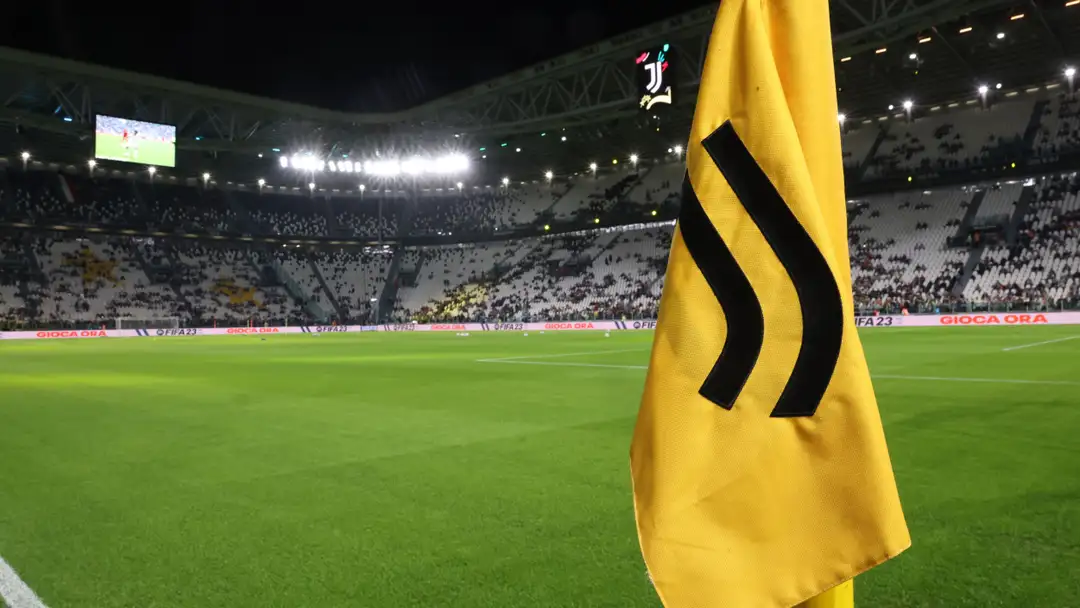
For more than a century, Juventus have been inseparable from the Agnelli family. The black and white stripes, the FIAT legacy, the sense of continuity passed from generation to generation – all of it has shaped not just a football club, but a cornerstone of Italian sporting identity. Now, that unbroken link stretching back to 1923 is facing its most serious challenge yet.
A binding proposal from Tether, the cryptocurrency giant behind the USDT stablecoin, has landed on the desk of Exor, the Agnelli family’s holding company. The offer, entirely cash-funded, values Juventus at around €1.1 billion, a figure that instantly places the club at the centre of one of the most significant potential ownership changes Serie A has ever seen.
From minority shareholder to would-be owner
Tether’s pursuit of Juventus has not happened overnight. What initially looked like a quiet, strategic investment has steadily gathered momentum throughout 2025. In February, the company acquired a minority stake in the Turin giants, raising eyebrows but little alarm. Two months later, that stake grew again.
By April, Tether held 10.12 per cent of Juventus’ shares and more than 6.18 per cent of voting rights, a position that suddenly carried real influence. The message became even clearer in November, when Paolo Garino, a Tether-backed nominee, was appointed to the Juventus board at the club’s annual general meeting.
At the time, many viewed the move as symbolic – a seat at the table, nothing more. In hindsight, it looks very much like the opening act of a far larger play.
On Friday evening, Tether confirmed what had been quietly suspected: it has submitted a binding, all-cash offer to acquire Exor’s entire 65.4 per cent stake in Juventus, at a price of €2.66 per share. The plan, subject to regulatory approval, is to then launch a public tender for the remaining shares at the same valuation.
In short, Tether is not flirting with Juventus. It wants to own the club.
A €1 billion promise and a personal mission

For me, Juventus has always been part of my life
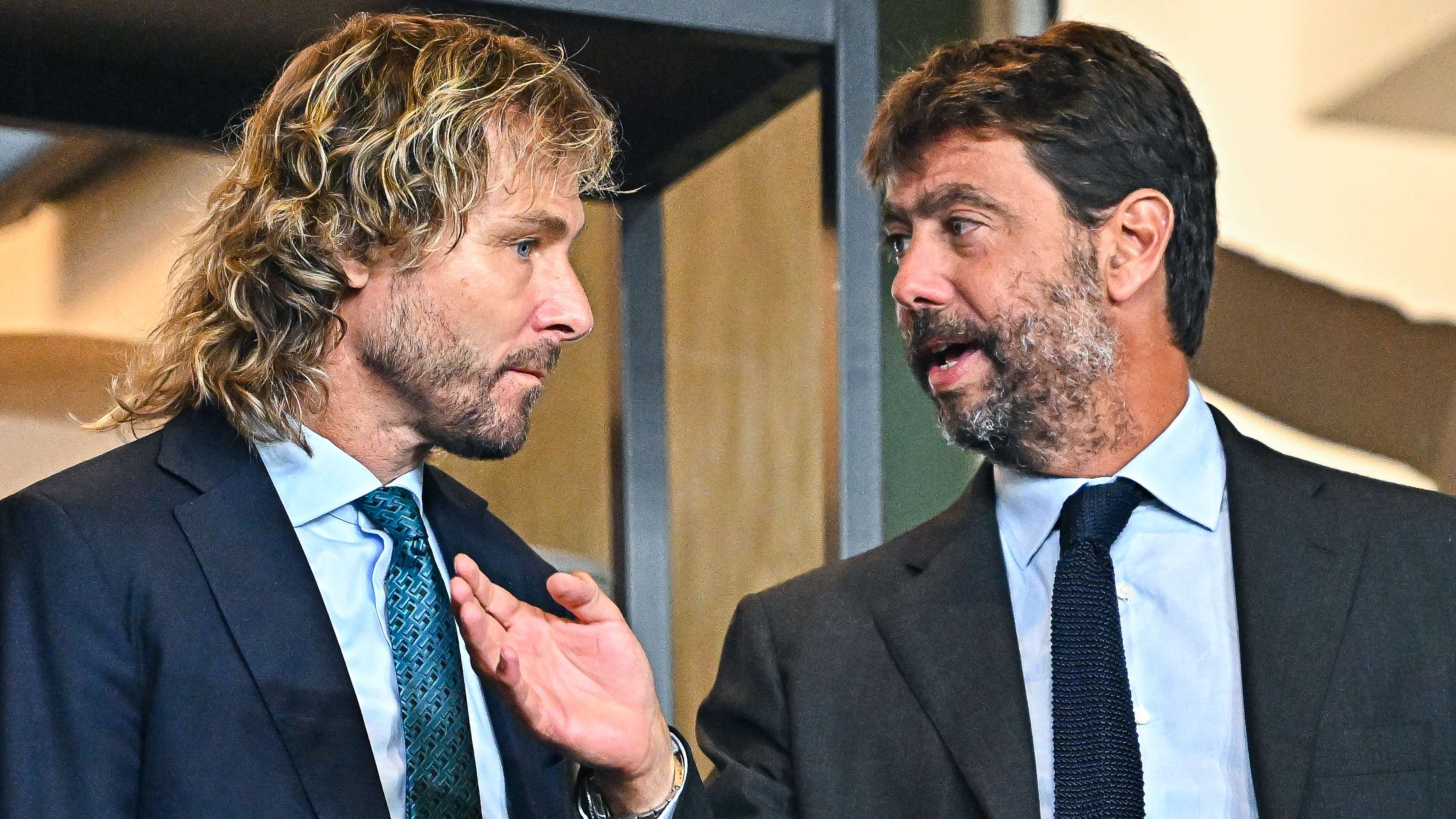
At the heart of this bid is Paolo Ardoino, Tether’s chief executive – and, crucially, a lifelong Juventus supporter. Unlike many modern football investors, Ardoino’s connection to the club is deeply personal. He grew up in Turin, watching Juventus through triumphs and setbacks, and speaks of the club with the language of a fan rather than a financier.
“For me, Juventus has always been part of my life,” Ardoino said. “I grew up with this team. As a boy, I learned what commitment, resilience, and responsibility meant by watching Juventus face success and adversity with dignity.”
That emotional tone carried through Tether’s lengthy official statement, which framed the proposal as more than a takeover. The company pledged €1 billion in future investment, stressing a long-term vision built around stability, global relevance, and sustainable growth.
Tether described Juventus as a symbol of Italian excellence with worldwide reach, drawing parallels between the club’s history and its own rise as a disruptive force in global finance. The language was careful, respectful, almost deferential – a clear attempt to reassure supporters wary of cryptocurrency money entering football’s most traditional institutions.
The Agnelli response: firm, swift, and dismissive
Despite the scale of the offer and its binding nature, the Agnelli family’s response has been unequivocal. A spokesperson told La Gazzetta dello Sport that no negotiations are taking place, dismissing talk of a sale as nothing more than “press rumours”.
That reaction underlines how sensitive the issue remains. Juventus have been under Agnelli control since 1923, making them the longest continuously family-owned club in world football. Across generations, the family oversaw the club’s transformation into Serie A’s most decorated side, with 36 league titles, comfortably ahead of rivals Inter and Milan.
Walking away from that legacy would not be a simple business decision. It would be an emotional rupture – one that could redefine how Juventus see themselves.
Yet football history suggests that once serious money enters the conversation, absolute denials rarely mark the final chapter.
Juventus on the pitch: timing that raises questions
The timing of Tether’s proposal is striking, arriving during a period of clear uncertainty on the field. After 14 Serie A matches, Juventus sit seventh, with 23 points, outside the Champions League places and well off the title pace.
Performances have been inconsistent, confidence fragile, and patience among supporters increasingly thin. A trip to Bologna looms as another test, with pressure mounting on players and coaching staff alike.
In that context, the promise of financial stability and major investment could appeal to sections of the fanbase desperate to see Juventus restored to Europe’s elite. At the same time, the idea of a crypto firm taking control of a club so steeped in tradition is unsettling for others.
What this could mean for Serie A
Beyond Turin, this story carries wider implications for Serie A. Italian football has struggled to keep pace financially with the Premier League and even La Liga. Stadium ownership issues, declining revenues, and conservative ownership models have slowed growth.
A Tether-backed Juventus, armed with significant capital and a global digital profile, could tilt the balance. It could also accelerate a shift towards non-traditional owners across Italy, challenging long-held assumptions about who football clubs belong to.
Tradition versus transformation
For now, the Agnelli family remain in control. No signatures have been exchanged, no green lights given. But the mere existence of this proposal feels like a line has been crossed.
Juventus stand at a crossroads between tradition and transformation, between a century-old identity and a future shaped by global finance. Whether Tether’s bid is accepted or ultimately rejected, the conversation itself signals change.
One thing is certain: the story of Juventus is still being written. And the next chapter, whatever form it takes, will echo far beyond Serie A.


There are no comments yet. Be the first to comment!