




































AFCON Every Four Years: Wise Move or Mistake?
AFCON Every Four Years: Smart Evolution or Costly Error?
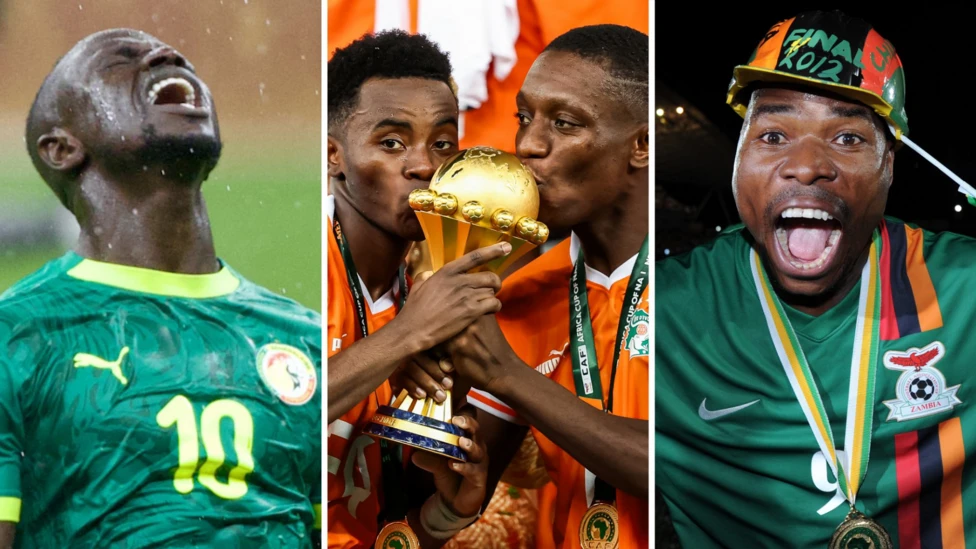
The Africa Cup of Nations (AFCON) has long been the crown jewel of African football—unpredictable, vibrant, and deeply woven into the continent’s sporting identity. But a major change is on the horizon: CAF has confirmed that AFCON will shift to a four-year cycle after 2028, ending the tournament’s traditional biennial rhythm.
The decision, announced by CAF president Patrice Motsepe just before the 2025 edition in Morocco, has split opinion across players, coaches, pundits, and fans. With a new African Nations League set for 2029, the debate now rages: is this a move to elevate African football, or a step backward?
FIFA Influence or African Autonomy?
The roots of this shift lie partly in global football politics. FIFA president Gianni Infantino first suggested the idea in 2020. At the time, Motsepe resisted. But five years later, citing global calendar alignment and infrastructure pressures, the South African president changed course.
Motsepe pushed back against criticism that CAF is being dictated to by FIFA, stating:
“We have got to move on from this inferiority complex… At times you need to make concessions. Sometimes we have to take unpopular decisions.”
Still, the optics suggest that the move helps sync African football with FIFA’s increasingly crowded global agenda—especially with the expanded Club World Cup looming in June-July slots previously eyed for AFCON.
Scheduling vs. Tradition
AFCON has been held every two years since 1957 (with few exceptions). For many, this frequency helped develop talent, boost exposure, and strengthen football infrastructure across Africa.
However, the rise of African players in top European leagues has created a club-versus-country conflict, with clubs unhappy about losing stars mid-season.
Mali coach Tom Saintfiet called the decision “totally wrong”, while Egypt legend Hossam Hassan warned it caters to Europe’s interests. But Ivory Coast boss Emerse Faé sees potential:
“If [smaller nations] play against other teams of their level with the aim of being promoted, I think everyone will be a winner.”
Nations League vs. AFCON: What’s the Endgame?
The newly announced African Nations League, beginning in 2029, will be played annually and regionally, potentially revitalizing dormant rivalries. Motsepe used the example of Ghana vs. Nigeria every year—a fixture that has only occurred five times in two decades.
CAF claims this tournament will generate even more revenue than AFCON, projecting a profit far greater than the $114 million forecast for AFCON 2025.
Still, there’s risk: will it dilute the brand and prestige of continental competition? Can an annual league match the emotional weight of AFCON knockouts?
The End of CHAN & the Shop Window Shrinks
The reforms also mean the African Nations Championship (CHAN)—a tournament for domestic-based players—will be scrapped.
While CHAN struggled with logistics and waning interest, it produced talents like Ayoub El Kaabi and Lamine Camara, and gave managers like Pape Thiaw a springboard to bigger roles.
Burkina Faso captain Bertrand Traoré, playing in his sixth AFCON, lamented the change:
“Some players will wait four years now to show themselves to the world. It’s a lost opportunity.”
Women’s AFCON: Still Biennial for Now
No plans have been announced to change the Women’s Africa Cup of Nations format. Former South Africa midfielder Amanda Dlamini fears a four-year cycle would stall momentum:
“I hope it stays two years. If it’s four, they’ll forget about us.”
Communications Misstep?
Even Motsepe admitted the announcement was poorly handled, dropping the bombshell during a chaotic two-hour press briefing in Rabat.
“We didn’t do a good job preparing the ground on this… We must make sure our everyday people understand what we have done is good for them.”
Only time will tell if the move was visionary or misguided. But one thing is certain: AFCON remains Africa’s biggest football stage, and its future will continue to be fiercely protected and passionately debated.


There are no comments yet. Be the first to comment!