


















































































































































Arne Slot Admits Liverpool Were Lucky After PSG Defeat as Champions League Reality Hits Hard
Liverpool lucky to escape with 2-0 loss to Paris Saint-Germain, says Arne Slot after Champions League setback
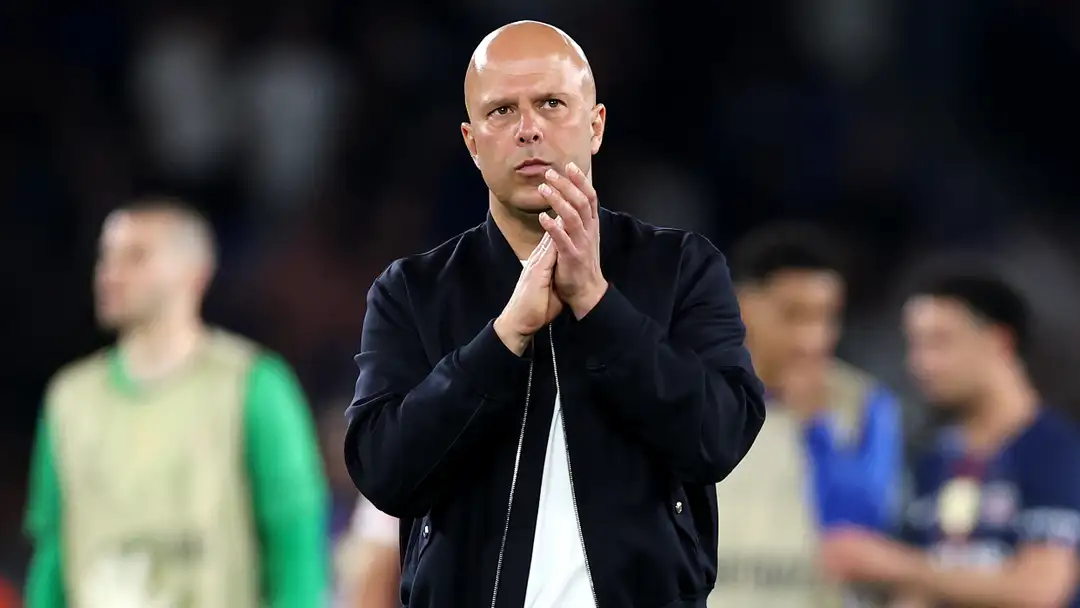
Liverpool’s Champions League ambitions suffered a serious blow in Paris, and manager Arne Slot did not attempt to soften the reality afterward. Following a sobering 2-0 defeat against Paris Saint-Germain at the Parc des Princes, the Dutch coach delivered one of his most brutally honest post-match assessments since taking charge, admitting his side were fortunate the damage was not far worse.
On a night where PSG controlled rhythm, space, and momentum almost from the opening whistle, Liverpool looked unusually vulnerable — second-best technically, tactically, and physically. The result leaves the tie alive ahead of the return leg at Anfield, but Slot’s comments made clear that significant improvement will be required if the Reds are to avoid a European exit.
Paris Saint-Germain dominate from start to finish
From the early exchanges, Luis Enrique’s Paris Saint-Germain imposed their authority. Their midfield rotated fluidly, their pressing traps worked perfectly, and Liverpool struggled to find any sustained control.
PSG’s ability to move the ball through pressure became the defining feature of the match. Liverpool attempted to press high, hoping to disrupt build-up play, but the French champions repeatedly bypassed those efforts with calm passing sequences and intelligent positioning.
By halftime, the pattern was already obvious. Liverpool were chasing shadows more often than dictating play — an unfamiliar sight for a team that has built its identity around intensity and aggression.
Goals eventually followed, reflecting the balance of play rather than changing it. PSG’s attacking movements stretched Liverpool’s defensive line, creating gaps that felt inevitable rather than accidental.
Afterward, Slot acknowledged what many watching had already concluded.
“If you reflect on the whole game, I think we are lucky with only losing 2-0,” he admitted candidly. “The first goal felt hard, but it was very good for us that we are still in the tie.”
It was not a statement designed to comfort supporters. Instead, it sounded like a manager determined to confront reality head-on.
Tactical problems expose Liverpool weaknesses
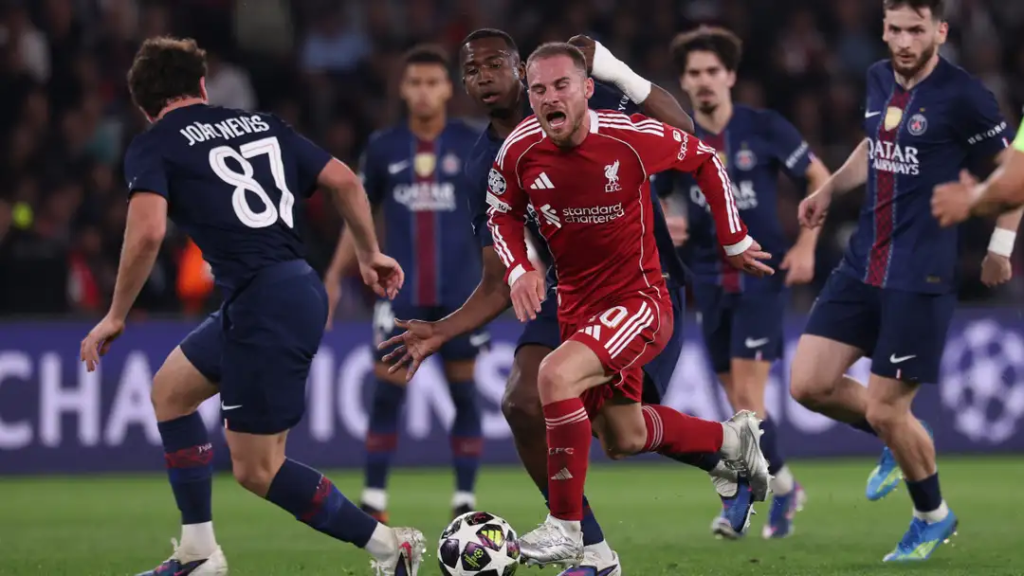
Slot identified Liverpool’s failed pressing structure as the central issue. The plan had been clear: disrupt PSG high up the pitch and force mistakes. Instead, the opposite occurred.
Whenever Liverpool committed players forward to press man-to-man, PSG calmly played through them. Once that first line was broken, large spaces opened in midfield and defence, allowing the hosts to transition quickly into dangerous areas.
“Yes and no,” Slot said when asked whether Liverpool created enough chances. “Yes, because we want to create much more. No, because there was not a lot to create for us.”
It was a revealing admission. Liverpool were not merely wasteful — they were structurally prevented from creating meaningful attacks.
Even moments that looked promising quickly faded under PSG’s defensive organisation. Passing lanes closed rapidly, and Liverpool’s forwards rarely received the ball in threatening positions.
For long stretches, survival replaced ambition.
Why Mohamed Salah never left the bench
Perhaps the most discussed decision of the night was Slot’s choice not to introduce Mohamed Salah, despite Liverpool trailing and desperately needing attacking inspiration.
Supporters expected the Egyptian forward to appear as the game slipped away. Instead, Salah remained an unused substitute while Slot made several other changes, including bringing on Alexander Isak following his recovery from injury.
The decision initially baffled observers, but Slot explained his reasoning clearly.
“In the last part of the game it was more about surviving than us having a chance to score,” he said. “We had 20–25 minutes defending inside our own box.”
From a tactical perspective, Slot believed deploying Salah in a defensive siege would waste both his energy and his strengths, especially with a demanding domestic schedule approaching.
“You never know,” he added, referencing past late goals, “but it was better to save his energy for the games coming up.”
The explanation revealed a pragmatic approach — prioritising long-term squad management over short-term emotional decisions.
Still, the optics were difficult. Liverpool chasing a Champions League quarter-final without their most dangerous attacker inevitably raised questions.
A rare off-night for Liverpool’s attacking identity
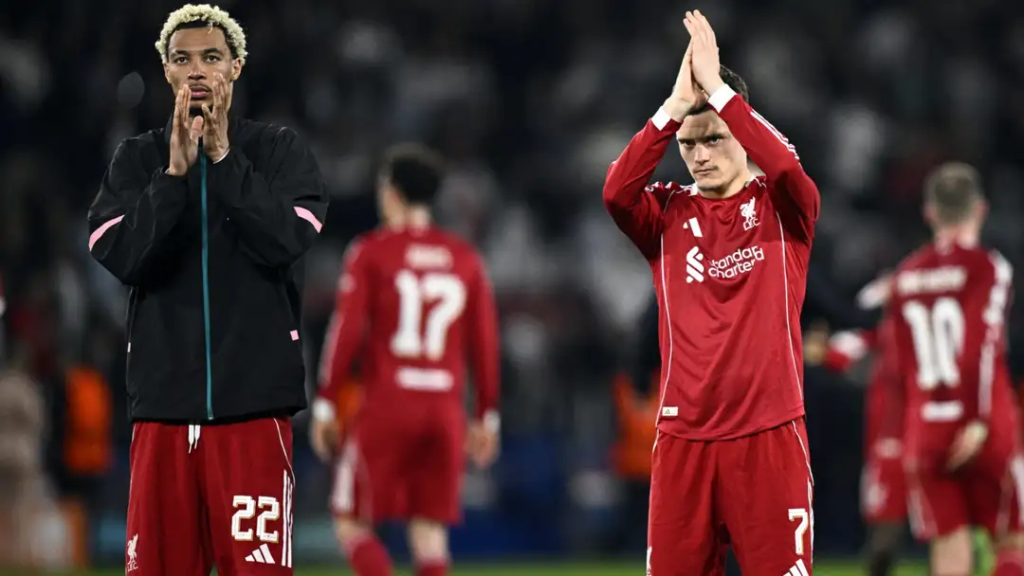
What stood out most was Liverpool’s lack of attacking presence. The team that typically overwhelms opponents with pace and verticality struggled even to progress the ball cleanly into the final third.
PSG’s midfield trio dictated tempo, while Liverpool’s transitions lacked cohesion. Passes arrived a fraction late, runs were mistimed, and confidence appeared to drain as the match progressed.
The Reds rarely looked capable of scoring an away goal — traditionally so valuable in European knockout ties — and finished the night with minimal threat in front of goal.
Slot’s honesty reflected that reality. There were no excuses about luck or refereeing decisions, only acknowledgement of a performance that fell well below Champions League standards.
Anfield remains Liverpool’s lifeline
Despite the disappointment, the tie is far from over. Liverpool return to Anfield trailing by two goals — a deficit that, historically, has not intimidated the club’s European ambitions.
The stadium’s reputation for dramatic nights remains one of football’s most powerful psychological forces. Slot himself pointed to that factor as a reason for optimism.
“We can bring them to Anfield and we know how good Anfield can be for us,” he said.
Liverpool’s European history is filled with improbable comebacks, and belief inside the squad will likely centre around recreating that atmosphere.
However, sentiment alone will not be enough. Tactical adjustments will be essential if Liverpool are to prevent PSG from exploiting the same weaknesses again.
Domestic focus before European redemption
Before thoughts fully shift to the return leg, Liverpool must quickly reset for Premier League action against Fulham. With the domestic title race intensifying, rotation and energy management become crucial.
Slot’s decision to preserve Salah’s fitness now takes on additional significance. If Liverpool can respond strongly in the league, momentum could carry into the decisive European clash.
Balancing both competitions will test squad depth and mental resilience — qualities that often define elite seasons.
A defining moment in Slot’s Liverpool era
The defeat in Paris may ultimately become a turning point in Arne Slot’s tenure. His willingness to publicly admit shortcomings signals a manager focused on growth rather than protecting reputation.
Liverpool were outplayed, outmaneuvered, and at times overwhelmed. Yet the margin of defeat keeps hope alive, offering an opportunity for redemption.
Whether this becomes the prelude to another famous Anfield comeback or the moment Liverpool’s European journey ends will depend on how quickly lessons are learned.
For now, Slot’s verdict echoes louder than the scoreline itself: Liverpool were lucky — and they know it.
The next chapter will reveal whether that luck was merely survival… or the beginning of a comeback story waiting to be written.


There are no comments yet. Be the first to comment!