


















Arsenal Legend Tips Mikel Arteta for Barcelona Exit as Cesc Fabregas Backed to Replace Him at Emirates
There is a certain rhythm to life at Arsenal. When things are calm, they rarely stay that way for long. And when the club begins to look stable, ambitious, even dominant, speculation inevitably creeps in through the back door.
Right now, Arsenal are flying. Under Mikel Arteta, the Gunners have evolved from a promising rebuild into a genuine European force. They are competing at the summit of the Premier League and have made serious noise in the UEFA Champions League.
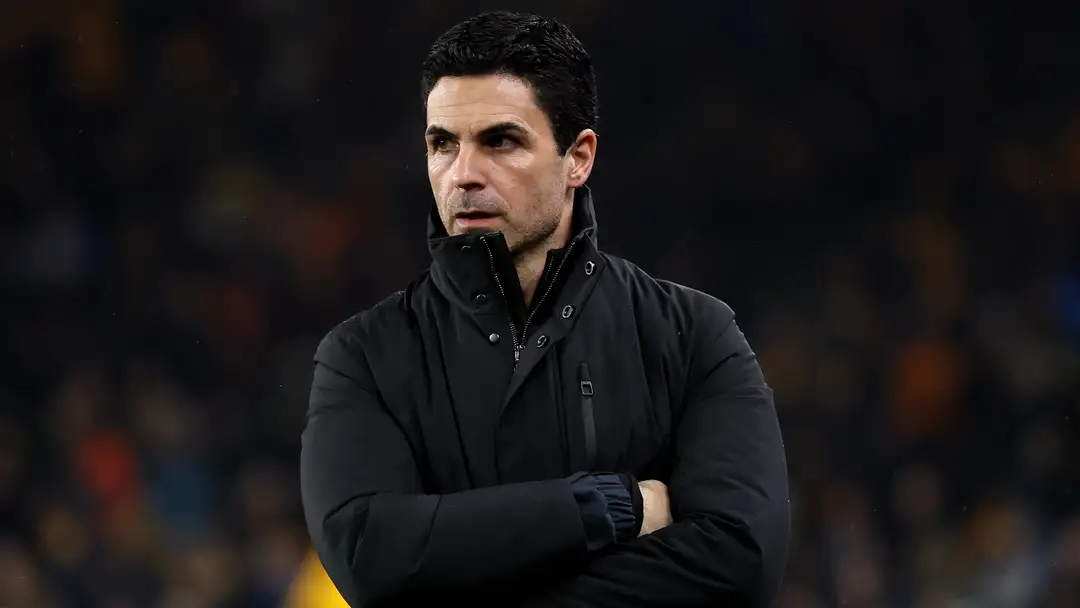
But according to club legend Emmanuel Petit, the story may not end in north London. In fact, he believes the final chapter of Arteta’s Arsenal project could already be written — and it leads back to Spain.
Arsenal Legend Predicts Mikel Arteta Will Leave for Barcelona
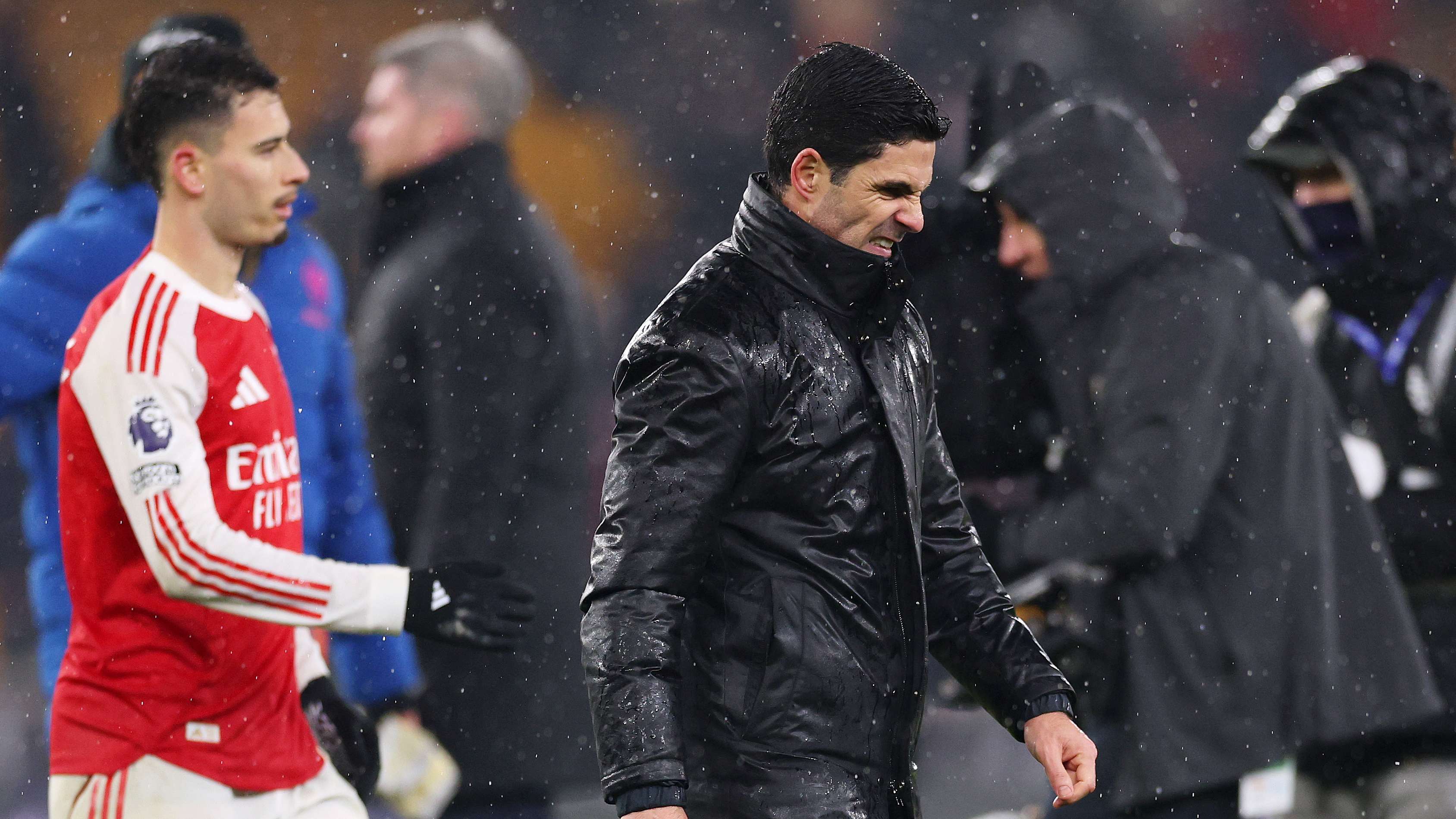
Petit knows what it takes to succeed at Arsenal. He was part of Arsène Wenger’s double-winning side and understands both the pressure and prestige that come with the job. So when he speaks about Arteta’s future, it carries weight.
In his view, the pull of FC Barcelona will eventually prove irresistible.
Arteta’s connection to Barcelona is not superficial. He is a product of La Masia, shaped by the club’s philosophy, educated in positional play, possession dominance and technical authority. Long before he became the face of Arsenal’s revival, he was a student of the Blaugrana ideology.
Petit believes that identity matters.
He has suggested that, sooner or later, Barcelona will feel like unfinished business for Arteta. Whether Arsenal’s current cycle ends in silverware or frustration, the Frenchman sees the same outcome: a return to Catalonia.
It is not about dissatisfaction. It is about destiny.
And if we are honest, the logic is compelling. Managers rarely stay forever, especially those with continental ambitions. Arteta has already restored Arsenal’s credibility. He has rebuilt the squad, instilled discipline, modernised tactics and reconnected the club with its supporters. The next step, naturally, could be testing himself in a different environment.
Petit even hinted that if Arteta leaves, it would more likely be for a move abroad rather than to a domestic rival. A switch within the Premier League feels improbable. Spain, and Barcelona in particular, feels far more plausible.
Success or Failure – Does It Change Mikel Arteta’s Arsenal Future?
Arsenal recently dropped points in a tense 2-2 draw against Wolves, allowing Manchester City to edge closer in the title race. It is the kind of result that tightens nerves in April and fuels talk shows for days.
Arteta has already overseen multiple near-misses in the league — campaigns that promised glory but ended just short. The pressure is real. Expectations have shifted. Arsenal are no longer outsiders; they are contenders.
Yet Petit’s view cuts deeper than trophies.
He suggested that Arteta’s decision might not hinge on whether he wins the quadruple or finishes empty-handed. In one scenario, lifting major honours could represent the perfect farewell. In another, falling short might convince him that a new challenge is required.
Either way, the possibility of departure remains.
From the outside, Arteta appears deeply invested. He speaks about long-term planning, about cultural reset, about sustainable success. He looks like a manager building a legacy. But football is rarely static. Barcelona will not ignore a coach who blends tactical intelligence with emotional intensity and a clear footballing identity.
And if that call comes, it will not be easy to ignore.
Cesc Fabregas Emerges as Arsenal’s Potential Heir
If Arteta’s future does lie in Spain, the question becomes unavoidable: who replaces him?
Petit has a clear answer — Cesc Fabregas.
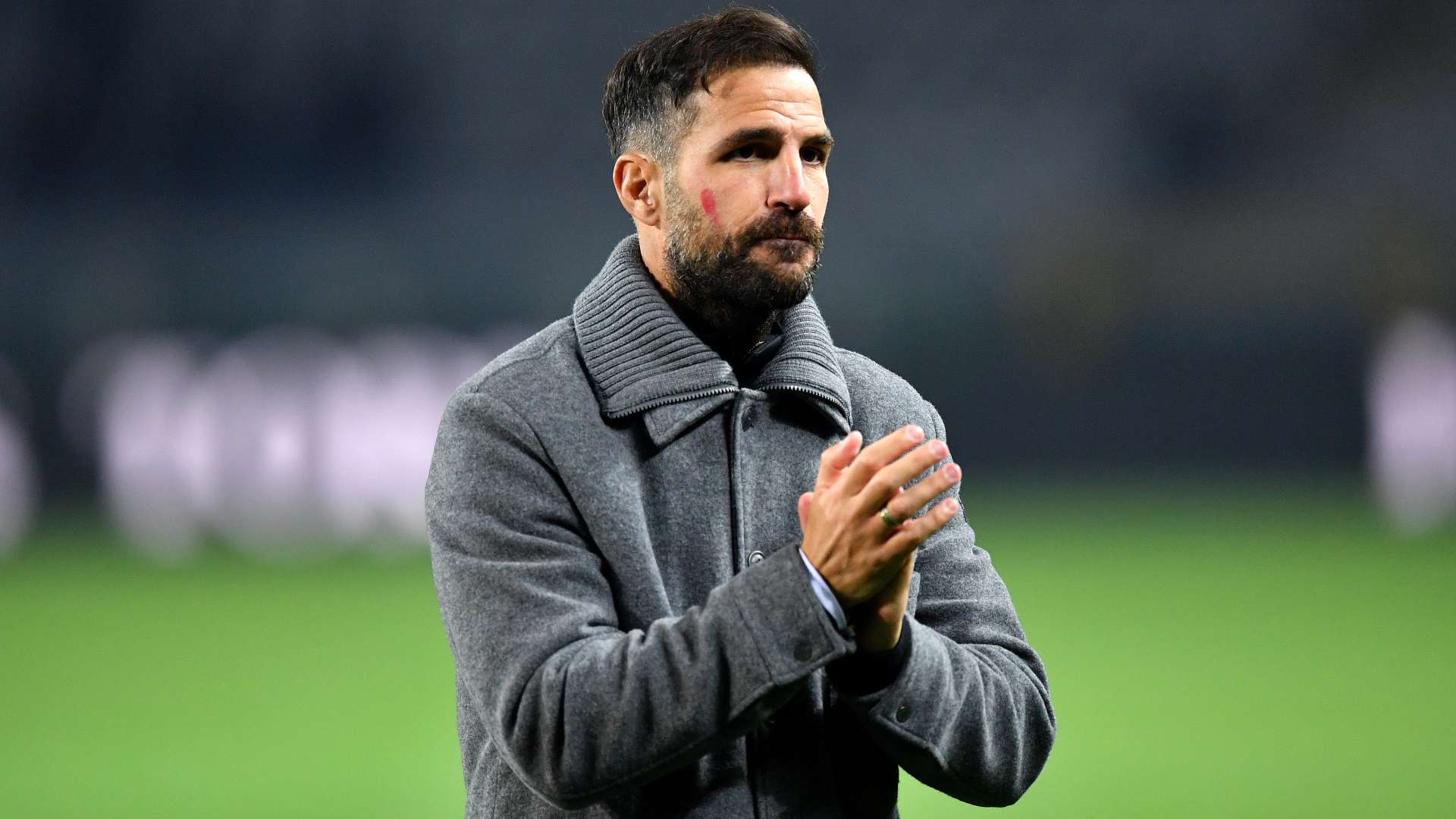
The former Arsenal captain is currently carving out a reputation in management with Como 1907 in Serie A. And those who have watched closely say he is learning quickly.
Fabregas was always a football brain. Even as a teenager captaining Arsenal, he saw passing angles others did not. Management felt inevitable.
What has impressed observers most is not just his tactical setup, but his authority. Petit referenced a recent incident involving Alvaro Morata, where Fabregas publicly criticised the striker following a moment of indiscipline. It was firm, controlled and measured — the response of a coach comfortable in his role.
That matters.
Young managers often struggle with hierarchy, especially when dealing with established internationals. Fabregas, however, appears to be embracing leadership rather than shrinking from it.
Petit believes that Arsenal — and even Chelsea FC — will eventually monitor his progress closely. His understanding of Arsenal’s culture, combined with tactical education from Spain and experience in England, makes him an intriguing candidate.
Would supporters accept him immediately? That is another question. His departure to Chelsea as a player remains a sensitive topic for some. But time softens edges in football, and success tends to rewrite narratives.
The Bigger Picture for Arsenal
For now, all of this remains speculative. Arteta is firmly in charge. Arsenal are competing at the highest level. The Emirates Stadium feels united behind its manager.
But football’s ecosystem is built on succession planning. Clubs at the elite level are always thinking two steps ahead.
Arteta has elevated Arsenal from hopefuls to heavyweights. His work has been meticulous — recruitment strategy aligned with tactical philosophy, youth integrated with experience, discipline reinforced daily. It has not been perfect, but it has been coherent.
Petit’s comments do not signal an imminent exit. Rather, they reflect how far Arteta has come. When a manager begins to be linked with Barcelona as a natural progression, it is a compliment disguised as speculation.
As for Fabregas, his journey is only beginning. Como offers him a platform without suffocating pressure. There, he can experiment, refine, make mistakes and grow. If he continues upward, the Premier League door will open again.
Perhaps one day, Arsenal supporters will watch Arteta return to Camp Nou while Fabregas walks out at the Emirates as head coach. Football loves symmetry.
For now, though, Arteta remains the architect of Arsenal’s present. The trophies are still within reach. The project is alive. And until the moment comes — if it ever does — north London remains his kingdom.
But as history reminds us, in football, no throne is permanent.


There are no comments yet. Be the first to comment!