


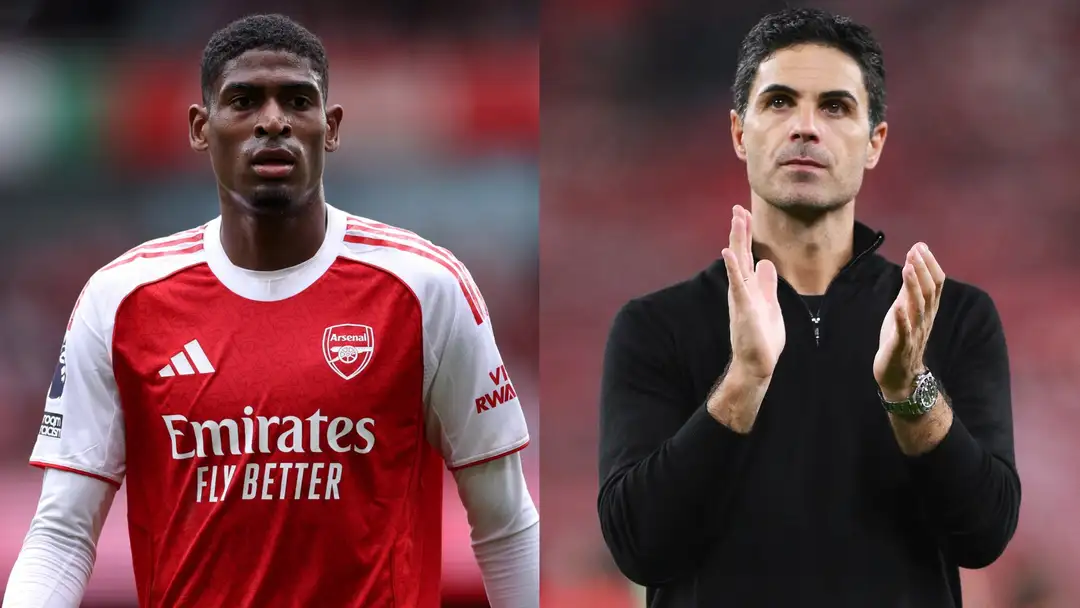
Arsenal Worst Fears Confirmed as Cristhian Mosquera Injury Deepens Defensive Crisis
Arteta Confronts Arsenal’s Worst Fears After Cristhian Mosquera Injury Blow
Arsenal have been dealt the kind of news every manager dreads, and for Mikel Arteta, it’s a headline he hoped he’d never have to read: Arsenal’s worst fears have been confirmed. Cristhian Mosquera, the promising young defender brought in over the summer as part of the club’s next-phase backline rebuild, is now set for a lengthy spell on the sidelines. And in a period where Arsenal’s defence is being stretched to breaking point, the timing could hardly be worse.
Mosquera picked up the injury in the December 3 Premier League match against Brentford—an awkward landing after contesting a high ball, a moment that looked innocuous at first glance but quickly turned into a “please let this not be serious” scenario. Unfortunately for Arsenal, it was. The Spaniard has now joined William Saliba and Gabriel Magalhães in the treatment room, leaving the Gunners without their three natural centre-backs for the foreseeable future.
Arteta, usually cautious with injury timelines, didn’t hide the gravity of the situation. When asked for an update, he kept it brief but blunt, confirming the Cristhian Mosquera injury was “much more than we expected” and that the 21-year-old will be out “for weeks”. In Arsenal-speak, that typically suggests a minimum of six to eight weeks—and with whispers around the club hinting he may not return until early 2026, the alarm bells ringing in North London feel more than justified.
Mosquera Sidelined: Saliba and Gabriel Already Missing as Arsenal Scramble

If losing one starting centre-half is disruptive, losing two is destabilising; losing three, including your newly signed young star, is downright chaotic. Mosquera was initially drafted into the side to help cover the absences of Saliba and Gabriel, only to now find himself undergoing his own rehabilitation programme.
This leaves Arsenal in a situation that requires creativity, improvisation, and perhaps a bit of madness—though Arteta has never been the type to shy away from unconventional solutions.
Against Aston Villa, he moved Jurrien Timber inside, partnering the Dutchman with the ever-reliable but still-settling Piero Hincapié. That experiment resulted in a 2–1 defeat, a performance full of effort but littered with the kind of uncertainty that comes when players are asked to shift away from their usual roles. The loss trimmed Arsenal’s Premier League lead to just two points, and the tension around the club began to thicken.
Then came Europe. With the Champions League trip to Club Brugge looming, Arteta had to reshuffle his pack once again. This time, midfield met emergency: Danish midfielder Christian Nørgaard dropped into the backline alongside Hincapié. And to everyone’s relief, it actually worked. Arsenal walked away with a 3–0 win, a clean sheet, and a sense of calm that had been missing for weeks.
Hincapié wore the armband in the defensive line, organising, communicating, anchoring—exactly the kind of leadership Arteta needed from him. Riccardo Calafiori came on in the second half to spell the Ecuadorian, adding another layer of versatility to a patchwork defence that somehow held firm.
After the match, Arteta spoke with a mixture of pride and exhaustion, fully aware of how much his squad had just endured.
“It’s a really positive evening,” he said, emphasising how tough it is to win away in the Champions League under normal circumstances—let alone with half your defence missing. “We’ve done it with a lot of absences, especially in the backline, and even this morning we lost two players.”
That last detail—losing two players the morning of the match—captured the crisis in a single sentence. Arsenal weren’t just stretched; they were scrambling.
But the praise that followed for Nørgaard was telling.
“What Christian Nørgaard has done just talks about how much better he makes all of us with his attitude, with his commitment,” Arteta continued. That level of trust, so quickly built, might end up being one of Arsenal’s biggest lifelines over the next month.
Home-Grown Hope: Arteta Hands 16-Year-Old Marli Salmon His Debut
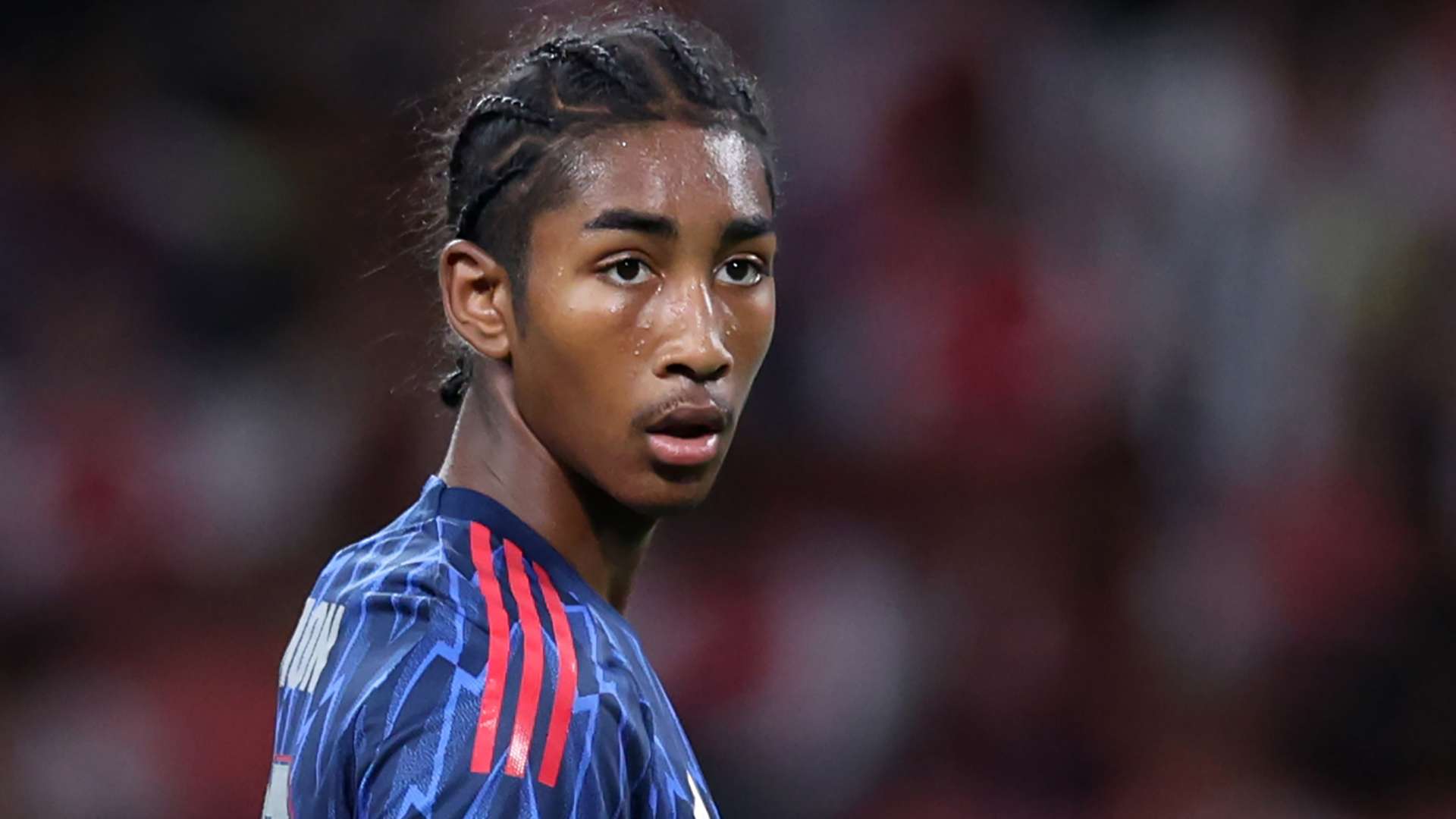
Marli Salmon Arsenal 2025
Amid the injuries, the improvisation, the tactical duct tape, there was at least one joyful subplot in Belgium. With the defence shredded and options thinning by the hour, Arteta entrusted 16-year-old academy player Marli Salmon with his senior debut. A teenager who can play centre-half or right-back, Salmon suddenly found himself stepping into the Champions League spotlight—an opportunity many players spend an entire youth career chasing.
Arteta admitted the decision wasn’t straightforward.
“We had to consider it seriously,” he said, explaining that playing Nørgaard at centre-back meant other dominos would need to fall. “We knew that at some point we had to use him. He was ready, he was prepared.”
Ready or not, Salmon took his moment. Calm on the ball, tidy in possession, unfazed by the European stage—he looked like someone who’d been waiting for this moment since he first kicked a ball in Hale End.
“He’s so young, 16 still, and he’s playing in the Champions League. What a great night for him,” Arteta said, and you could hear real affection in his voice. It wasn’t patronising praise; it was recognition of the courage and trust required from both sides.
“That’s what we want,” he said. “That’s why everybody in the academy puts in so much work. When we need them, they are there, ready to perform.”
And right now, Arsenal need every ready body they can find.
What’s Next: Nørgaard Likely to Continue as Makeshift Centre-Half
Arsenal return to Premier League action on Saturday, hosting bottom-of-the-table Wolves. Under normal circumstances, this would be a fixture you’d circle as manageable. Under current circumstances? It feels like another audition for whoever can fill the gaps.
Nørgaard may well keep his place in the backline. Hincapié will continue to shoulder the leadership burden. Calafiori and Timber will rotate. Salmon may even get another cameo, depending on how the match unfolds.
From there, the fixtures come quickly: five more to close out the calendar year, including a Carabao Cup quarter-final against Crystal Palace. The schedule offers opportunities, but also risks. Every match carries its own potential setback.
Arsenal don’t just have to navigate the next month—they have to survive it.
Mosquera’s injury has created a crisis, yes, but also a test. A test of depth. A test of development. A test of whether Arteta’s version of Arsenal is resilient enough to withstand the kind of adversity title contenders must overcome.
The Gunners’ worst fears may have been confirmed—but the next few weeks will reveal whether they can still fight through them.


There are no comments yet. Be the first to comment!