






















































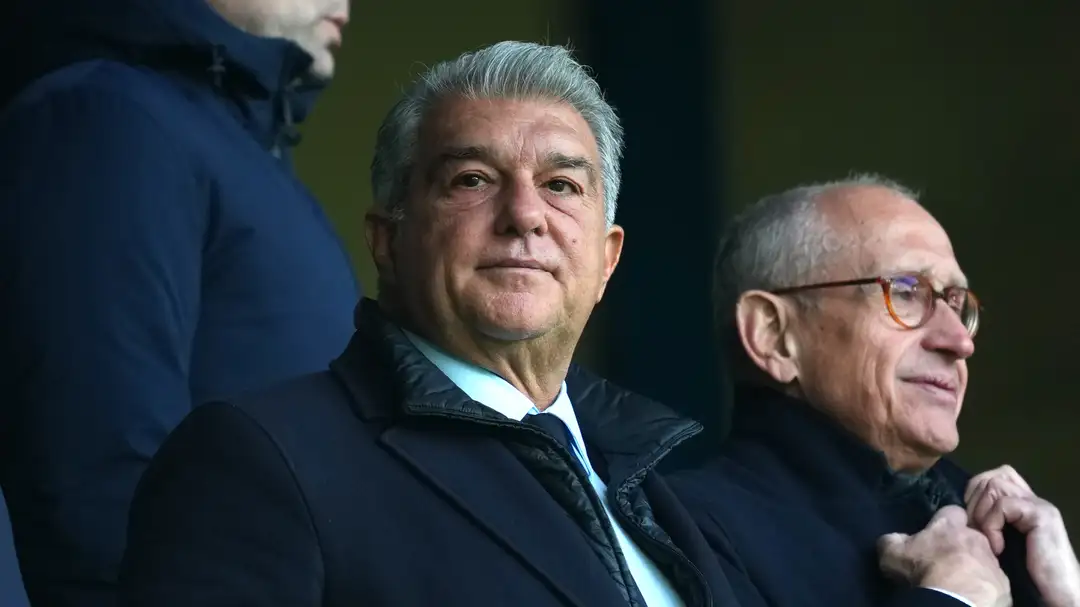
Barcelona Officially Pull Out of European Super League as Real Madrid Left Standing Alone Against UEFA
Barcelona confirm European Super League exit, leaving Real Madrid on their own in long-running fight to challenge UEFA
Barcelona have finally drawn a line under one of the most controversial chapters in modern European football. The reigning La Liga champions have officially confirmed their withdrawal from the European Super League project, a move that leaves bitter rivals Real Madrid isolated as the last major club still publicly backing the breakaway competition.
It is a decision that has been coming for some time, but its symbolism is huge. When the Super League was first announced in 2021, Barcelona and Real Madrid stood shoulder to shoulder, insisting they were fighting for the future of football. Four years later, that united front has completely collapsed. Barça are stepping back into UEFA’s embrace, while Madrid continue to wage a lonely and defiant battle.
This is more than just a governance story. It’s about power, money, pride, and two clubs whose relationship off the pitch now seems almost as fractured as their rivalry on it.
The European Super League Dream That Refused to Die
To understand the weight of Barcelona’s decision, you have to go back to April 2021, when the European Super League exploded into public view. Twelve of Europe’s biggest clubs announced plans to form a closed competition that would effectively replace the Champions League as the pinnacle of club football.
From Spain, Barcelona, Real Madrid and Atlético Madrid were on board. They were joined by Italian giants Juventus, Inter and AC Milan, and a powerful English contingent made up of Arsenal, Chelsea, Liverpool, Manchester City, Manchester United and Tottenham.
The backlash was immediate and ferocious. Fans protested outside stadiums, politicians weighed in, players expressed discomfort, and UEFA threatened sanctions. Within 48 hours, the six Premier League clubs had all pulled out. The Italian sides soon followed. Atlético Madrid also distanced themselves.
That left just Barcelona and Real Madrid clinging to the project, backed by Juventus for a while longer before they too quietly stepped away. For years, Barça and Madrid insisted the Super League was merely “paused”, not dead. Now, Barcelona have finally admitted what most of football already believed.
Barcelona Issue Official Super League Statement
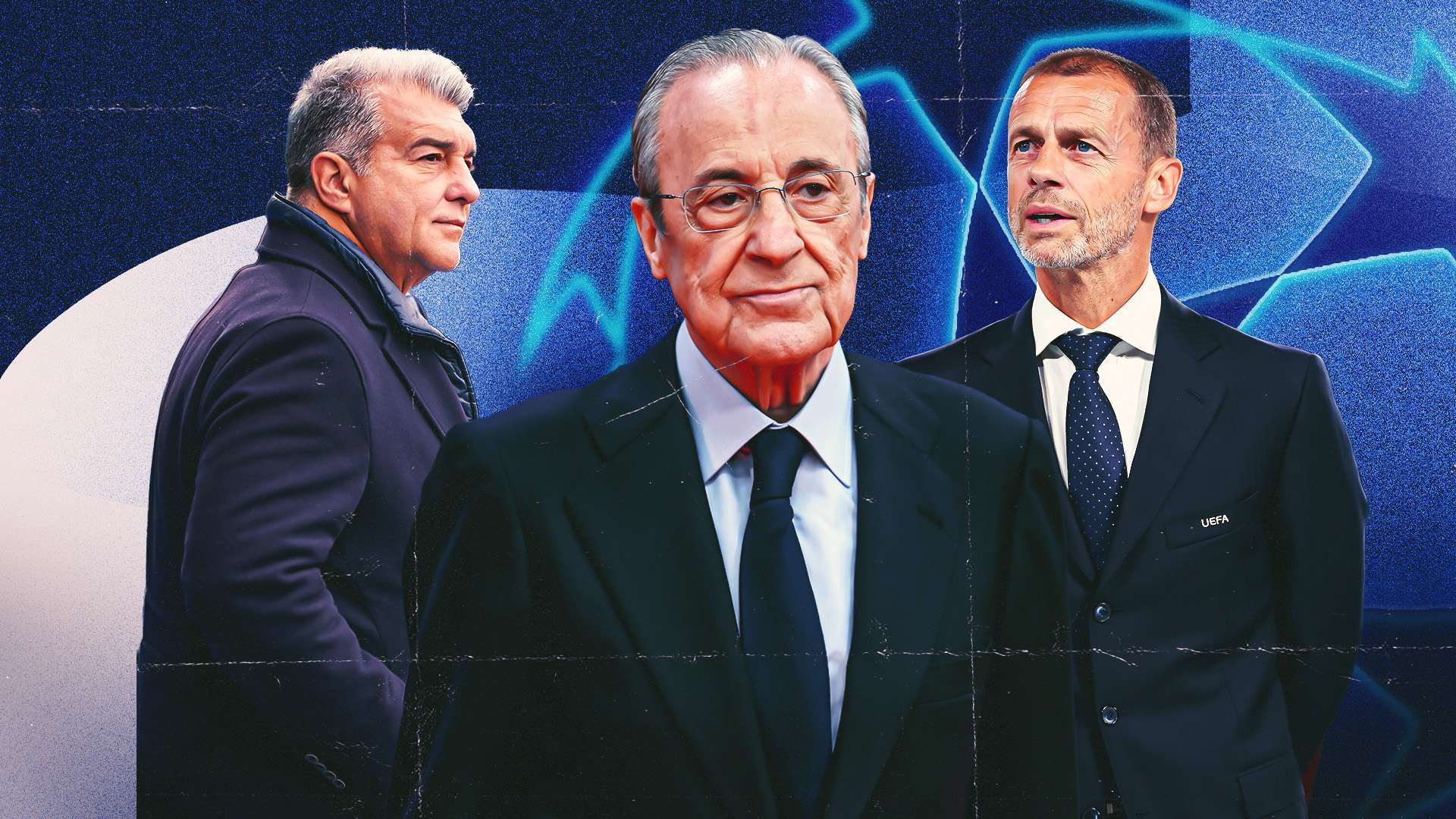
European Super League GFX
On Wednesday, Barcelona released a formal statement confirming their exit. The wording was calm, legalistic, and definitive.
“FC Barcelona hereby announces that today it has formally notified the European Super League Company and the clubs involved of its withdrawal from the European Super League project.”
No dramatic language. No emotional farewell. Just a clean break.
In doing so, Barcelona become the last of the original founding clubs to officially abandon the project, leaving Real Madrid completely alone in their public support. While some smaller entities associated with the Super League company may still exist on paper, in sporting terms, Madrid are now fighting this battle by themselves.
Why Barcelona Have Finally Quit the European Super League
For a long time, Barcelona’s continued involvement in the Super League was closely tied to their financial reality. Few clubs were hit harder by the post-pandemic landscape. Spiralling wages, declining revenues, and years of questionable decision-making left the club burdened with enormous debt.
The Super League promised guaranteed income, financial stability, and a seat at the top table without the risk of Champions League elimination. From a purely economic perspective, it made sense for a club desperate to balance the books.
However, times have changed. Under Joan Laporta, Barcelona have slowly stabilised their finances. They have pulled off commercial deals, restructured debt, and, crucially, regained sporting credibility by winning La Liga and re-establishing themselves among Europe’s elite.
At the same time, political realities shifted. UEFA softened its stance, reformed Champions League formats, and reopened dialogue. The Super League, once presented as inevitable, began to look increasingly isolated.
Laporta himself has made it clear that rebuilding relationships mattered more than fighting a losing war.
Laporta Chooses Bridges Over Battles
Speaking recently, Laporta openly acknowledged that Barcelona’s future now lies in cooperation rather than confrontation.
He explained that meetings with UEFA president Aleksander Ceferin and ECA chairman Nasser Al-Khelaifi had been positive and constructive, painting a very different picture from the hostility of 2021.
Barcelona, Laporta insisted, want peace.
They want to be inside the system, shaping it from within, not standing outside throwing stones. He spoke about “building bridges” and about European football being stronger when clubs, governing bodies and players work together.
It was a clear signal that Barça no longer see the Super League as a realistic or desirable path forward.
Real Madrid Left All Alone in the Super League Fight
While Barcelona step away, Real Madrid remain defiant.
Florentino Pérez has shown no sign of backing down. For him, the Super League is not a failed experiment but an unfinished revolution. He continues to argue that football is financially broken, that UEFA’s monopoly is unfair, and that elite clubs deserve greater control over their own competitions.
Madrid’s position is rooted as much in ideology as economics. Pérez sees himself as a reformer, a man ahead of his time, fighting entrenched interests for the “good of the game”. Critics, of course, see it very differently.
What is undeniable now is that Madrid stand alone.
Without Barcelona, the Super League loses its last shred of legitimacy as a collective movement. Instead of a coalition of giants, it becomes a one-club crusade.
Florentino Pérez Doubles Down on UEFA Challenge
Rather than retreat, Pérez has escalated. He has repeatedly pointed to rulings from European courts that question UEFA’s exclusive control over competitions. Madrid believe those judgments give them the legal right to create alternative tournaments.
More than that, Pérez has suggested Real Madrid may seek significant financial compensation from UEFA for blocking the Super League.
In his words, Madrid have two objectives: the right to be compensated for losses, and the right to organise their own competitions in the future. He has vowed to pursue both “tirelessly”.
With Barcelona gone, that legal and political battle now carries Madrid’s name alone.
Political Tension Adds to Barca–Real Rivalry
This off-field split only adds fuel to an already intense rivalry.
Relations between Barcelona and Real Madrid have been strained throughout the season. Pérez has publicly criticised Barça over the ongoing Negreira scandal, questioning the integrity of Spanish football. Laporta, never one to hold back, responded by accusing Madrid of “vomiting lies”.
The Super League issue now deepens that divide. Where the clubs once stood united against UEFA, they are now on opposite sides of the argument.
It’s a rare moment where their philosophies visibly diverge: Barcelona choosing pragmatism and reconciliation, Real Madrid choosing confrontation and principle.
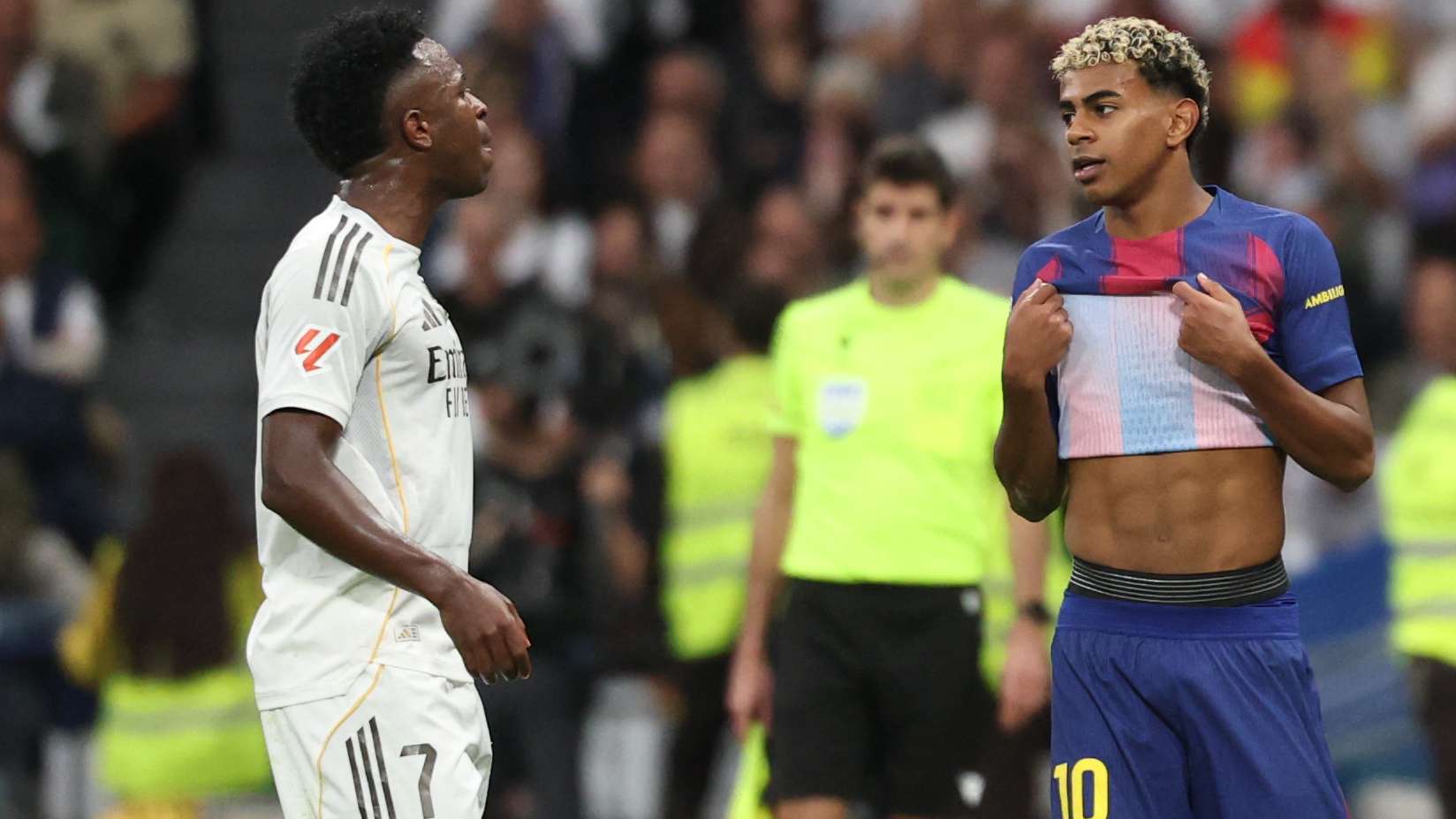
FBL-ESP-LIGA-REAL MADRID-BARCELONA
Title Race Adds Extra Spice
All of this is playing out while the two clubs remain locked in a fierce La Liga title race.
Barcelona currently sit top of the table, just one point clear of Real Madrid. Every Clásico, every dropped point, every refereeing decision feels magnified. Off-field disputes inevitably seep into the atmosphere on the pitch.
There is something deeply symbolic about it all. Barcelona leading the league while stepping back into UEFA’s fold. Real Madrid chasing them, both domestically and ideologically, while standing alone against European football’s governing body.
What Barcelona’s Exit Really Means for European Football
Barcelona pulling out doesn’t just leave Real Madrid isolated. It effectively confirms that the European Super League, as originally imagined, is finished.
The idea of a closed, elite competition has no meaningful backing left among Europe’s biggest clubs. Fans have made their opposition clear. Domestic leagues have resisted. UEFA, for all its flaws, has survived the storm.
That doesn’t mean the questions raised by the Super League disappear. Financial imbalance, fixture congestion, and governance reform will remain live issues. But they will now be addressed within existing structures, not through breakaway threats.
Barcelona’s decision feels like an acceptance of reality.
A Defining Moment for Two Giants
In the end, this is about identity as much as strategy.
Barcelona have chosen compromise, stability and integration. Real Madrid have chosen resistance, autonomy and legal confrontation.
Both clubs believe they are acting in football’s best interests. History will decide who was right.
For now, though, the picture is clear: Barcelona have officially walked away from the European Super League, and Real Madrid are left standing alone, fighting a battle that fewer and fewer in the game still believe can be won.


There are no comments yet. Be the first to comment!