







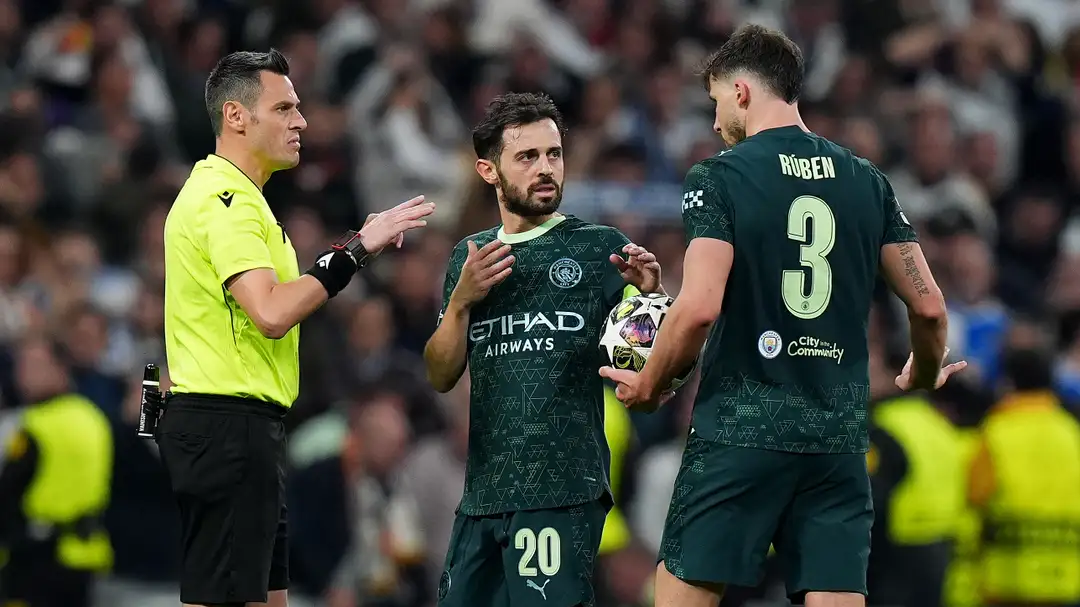
Bernardo Silva Delivers Brutally Honest Verdict After Manchester City Champions League Collapse Against Real Madrid
Bernardo Silva Calls Manchester City Performance “Really Dark” Following Real Madrid Defeat in the Champions League
Manchester City have endured difficult European nights before under Pep Guardiola, but few have felt as sobering as their latest visit to the Santiago Bernabéu. After a stunning 3–0 defeat to Real Madrid in the first leg of their Champions League round-of-16 tie, captain Bernardo Silva did not attempt to soften the reality facing the Premier League champions.
Instead, the Portuguese midfielder offered a stark and emotional assessment, describing the mood inside the dressing room as “really dark” following a performance that unraveled far too quickly against one of Europe’s most ruthless sides.
A sensational hat-trick from Federico Valverde punished City’s loss of control, leaving Guardiola’s team staring at a daunting task ahead of the return leg at the Etihad Stadium. While hope technically remains alive, the tone coming out of the City camp suggests a squad fully aware of how steep the challenge has become.
Manchester City’s European Nightmare at the Bernabéu
For much of the opening phase, Manchester City appeared comfortable. Guardiola’s side moved the ball with familiar patience, probing for openings and attempting to slow Real Madrid’s tempo. The early rhythm suggested a tactical chess match rather than the chaotic outcome that eventually unfolded.
City found promising spaces between Madrid’s defensive lines, and there were moments when the visitors looked capable of taking control. Yet Champions League nights at the Bernabéu have a habit of shifting suddenly — and once momentum turned, City struggled to recover.
Valverde’s opening goal changed everything.
The strike injected belief into the home crowd and urgency into Madrid’s pressing. Almost immediately, City’s composure faded. Passing sequences became rushed, defensive transitions grew vulnerable, and second balls began falling consistently in Madrid’s favour.
Two further goals followed, each exposing defensive hesitation and emotional imbalance within Guardiola’s side. By the time the third goal went in, the contest had moved beyond tactics and into psychology.
The scoreline might even have been heavier. Vinícius Jr. missed the chance to extend Madrid’s advantage when Gianluigi Donnarumma saved a second-half penalty, sparing City from an even harsher humiliation.
But the relief was minimal. The damage had already been done.
Bernardo Silva’s “Really Dark” Assessment
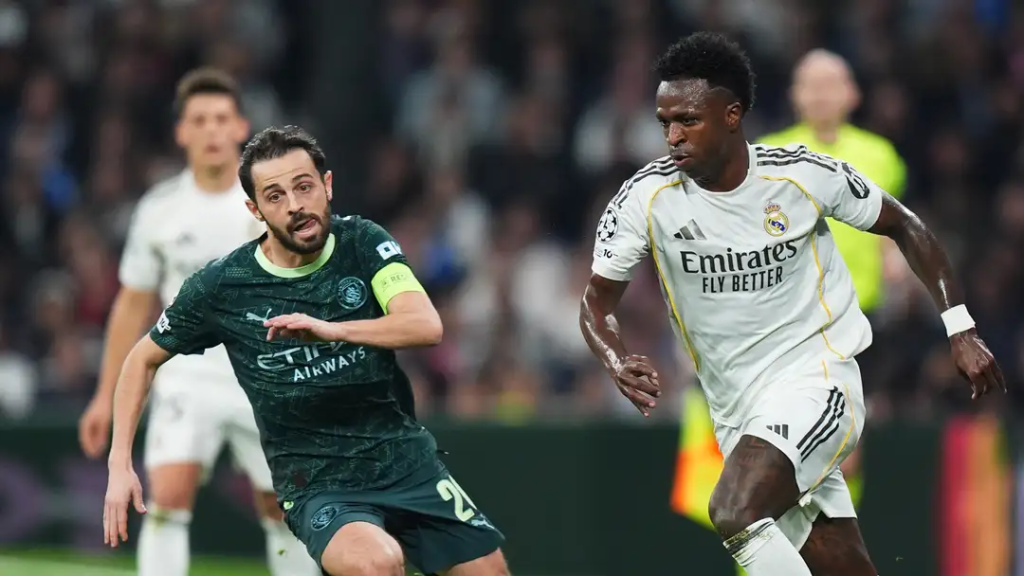
Bernardo Silva’s post-match comments reflected a captain unwilling to hide behind clichés. Speaking candidly, he admitted the defeat left the squad shaken.
At 3–0, he acknowledged, the task ahead becomes dramatically more complicated. The immediate emotional reaction was disappointment mixed with frustration — a sense that the game slipped away not solely because of Madrid’s brilliance but because City lost emotional discipline.
According to Silva, the team initially felt comfortable, successfully identifying spaces and managing possession. However, conceding the first goal triggered a collective shift in mentality. Control disappeared, transitions became chaotic, and Madrid exploited every lapse.
Against a team of Real Madrid’s quality, Silva admitted, such moments are punished mercilessly.
His honesty stood out. Rather than focusing on bad luck or individual incidents, he highlighted emotional management — an area City have typically mastered during their dominant domestic era but failed to maintain on this occasion.
Still, Silva insisted belief remains alive. Football, he suggested, allows no time for despair; the next opportunity arrives quickly, and City will approach the return leg convinced a comeback remains possible.
Pep Guardiola’s Pragmatic Response
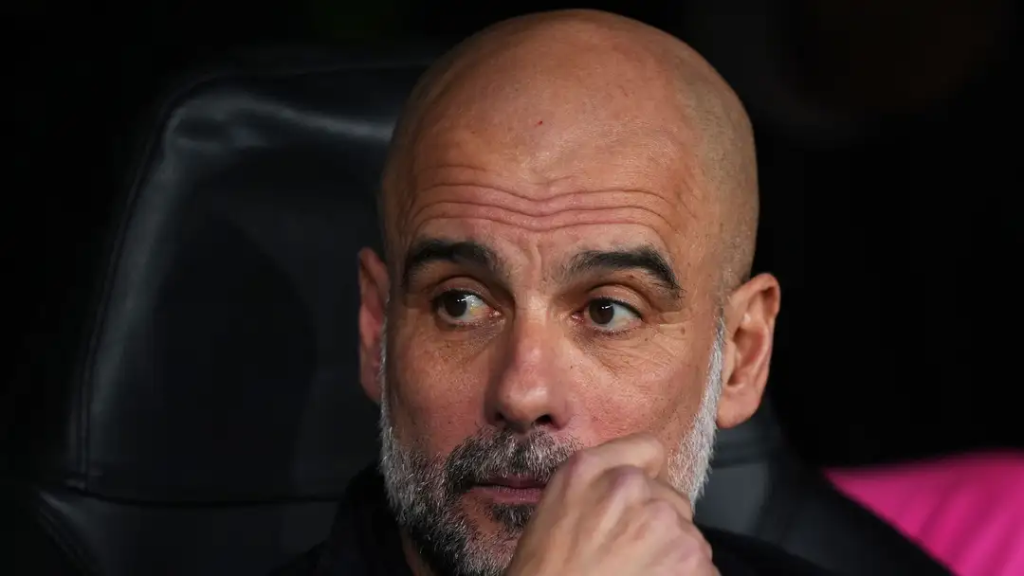
Pep Guardiola’s reaction balanced determination with realism. Known for his intense competitive drive, the City manager nevertheless acknowledged the scale of the challenge now facing his team.
When asked about City’s chances of progression, Guardiola’s answer was notably grounded. At this moment, he admitted, the odds are not favourable. Yet surrender is not part of the club’s mentality.
He emphasised that the second leg at the Etihad would offer a different environment — familiar surroundings, home support, and an opportunity to improve attacking efficiency in the final third.
Guardiola also defended his tactical decisions after criticism emerged regarding his starting lineup. Deploying Jeremy Doku, Savinho, and Antoine Semenyo alongside Erling Haaland was intended to create aggressive one-on-one situations on the wings.
From his perspective, the plan worked in phases. City reached dangerous areas multiple times but lacked the decisive finish required at elite level. Real Madrid, by contrast, converted their chances with ruthless efficiency.
Three opportunities, three goals — the difference between control and punishment at Champions League level.
Tactical Promise Undone by Emotional Collapse
Perhaps the most revealing aspect of the defeat was not structural weakness but emotional fragility. City’s system initially functioned as intended, stretching Madrid’s defensive shape and creating numerical advantages wide.
However, once the momentum shifted, composure evaporated. Defensive spacing widened, pressing triggers disappeared, and Madrid thrived in transition.
Silva’s comments about losing control of second balls and transitions highlight a recurring theme in European knockout football: technical superiority alone is insufficient without emotional stability.
Real Madrid have built a reputation on precisely this strength — remaining calm when trailing and ruthless when opponents lose balance.
City, unusually, found themselves on the wrong side of that psychological equation.
The Etihad Awaits: A Mountain to Climb
Attention now turns to the return leg in Manchester, where City must attempt one of the most difficult comebacks of Guardiola’s tenure.
Before that, a Premier League clash with West Ham United offers little time for reflection. Domestic consistency remains essential, but mentally the squad will already be preparing for next Tuesday’s decisive encounter.
Complicating matters further is the potential return of Kylian Mbappé to the Real Madrid lineup, a prospect that adds another layer of anxiety to an already daunting scenario.
Overturning a three-goal deficit against Europe’s most decorated club demands near perfection — early goals, defensive discipline, and unwavering belief.
Manchester City’s Defining European Test
Champions League campaigns are often remembered for defining moments rather than entire seasons. For Manchester City, the defeat in Madrid now stands as a crossroads.
Bernardo Silva’s description of the mood as “really dark” captured more than post-match disappointment. It reflected a squad confronting vulnerability — a rare sensation for a team accustomed to dominance.
Yet European football has always rewarded resilience as much as quality.
The Etihad Stadium will host the next chapter, one that will determine whether this defeat becomes the beginning of elimination or the spark for one of City’s most memorable nights.
For now, the reality is clear: Manchester City are wounded, Real Madrid are in control, and the Champions League once again demands something extraordinary.


There are no comments yet. Be the first to comment!