












Biggest Rule Change Ever and Brit Teen: What’s New in F1 in 2026?
F1 2026: Biggest Rule Change Ever and a Brit Teen on the Grid
When the chequered flag dropped in Abu Dhabi to close out the 2025 Formula 1 season, one era ended and another, arguably more radical, began. McLaren signed off with both the constructors’ and drivers’ titles, crowning a dominant year that often felt like a throwback to the team’s glory days. But as the paddock packed away the champagne glasses and carbon fibre, the conversation quickly shifted to what comes next: the most dramatic rule revolution the sport has seen — and a fresh face from Britain joining the grid.
With a sweeping reset of the technical regulations and an 11th team entering the championship, 2026 feels like the sport is stepping into a completely new frontier. It’s not just a tweak here or an aerodynamic nuance there — the entire DNA of a Formula 1 car is being redesigned. The question is simple: what kind of racing will it create?
The Bold New Era Begins
The FIA and Formula 1 have been teasing the 2026 rule package for years, but now it’s here in black and white — and aluminium and recycled fuels. The cars will be smaller, lighter, and powered by a hybrid system that’s almost evenly split between battery and combustion. The aim is clear: performance with responsibility, speed with sustainability.
The numbers alone tell a story. Thirty kilograms lighter might not sound like much to the average fan, but in F1 engineering terms it’s an Everest. Ten centimetres narrower changes everything — from cornering philosophy to suspension geometry. And then there’s the heart of the car: a 1.6-litre V6 turbo hybrid that delivers half its power through an electric motor, all running on fully sustainable fuels.
Yes, the V6 stays, but the beloved — or loathed — MGU-H is gone. That little piece of kit, which recovers energy from the turbo, has been retired. In its place: a more powerful MGU-K, harvesting energy under braking at an unprecedented rate. The benefit? Massive electric torque and a philosophical shift in how energy is used. The drawback? Nobody has a clue what it will feel like in wheel-to-wheel combat.
There are aerodynamic implications too. The ground-effect concept introduced in 2022 is being ditched. In its place: movable wings. Both the front and rear wings can adjust dynamically to improve straight-line efficiency. The idea is that drivers will generate more battery energy as they slow into corners, then unleash it when attacking or defending.
It sounds like science fiction, even by F1 standards.
Racing Unknowns and Drivers’ Doubts
And what will all this do to the racing product? That’s the big unknown. For the first time ever, radical chassis changes and radical engine changes land in the same season. Teams are effectively starting from zero. The strongest simulation models in the world can only predict so much.
There’s no DRS anymore — because the rear wing is already doing work. Instead, drivers get a “push-to-pass” button, giving them a short burst of electrical assistance. It’s a throwback to the old KERS days, but on steroids. Will it work? Will it feel gimmicky? Nobody knows yet.
Lewis Hamilton, never shy of a candid take, summed it up with the tone of a man who’s seen everything the sport can throw at him — and still isn’t sure what’s coming.
“It’s really, really hard to predict what it’s going to be like,” he said. “I don’t want to say too many negative things. It feels so much different and I’m not sure you’re going to like it. But maybe I’ll be surprised. Maybe overtaking will be incredible.”
Less downforce, more torque — especially in the wet. That’s the kind of challenge Hamilton lives for. But when one of the most adaptable drivers in the sport’s history says he doesn’t know what to expect, the rest of us should take notice.
Brit Teenager Makes His Mark
Beyond the hardware, there are a few major changes in the driver market too — one of them involving a bold leap into the future. Arvid Lindblad, just 18 years old, will line up on the grid for the first time in 2026. He takes the seat vacated by Isack Hadjar at Racing Bulls, the Red Bull-owned junior squad.
Hadjar moves up to partner Max Verstappen at Red Bull proper after securing his first podium at Zandvoort. That’s a big step for a young driver — and an even bigger step for Lindblad, who finished his Formula 2 campaign in sixth for Campos Racing.
Lindblad’s background is as international as modern F1 itself: Swedish father, Indian mother, raised in Britain and shaped by the Red Bull talent machine. His team-mate will be Liam Lawson, the New Zealander many argue should have been in F1 years ago. It’s a pairing with energy and intrigue — exactly what an 11-team grid needs.
Cadillac Joins the Grid
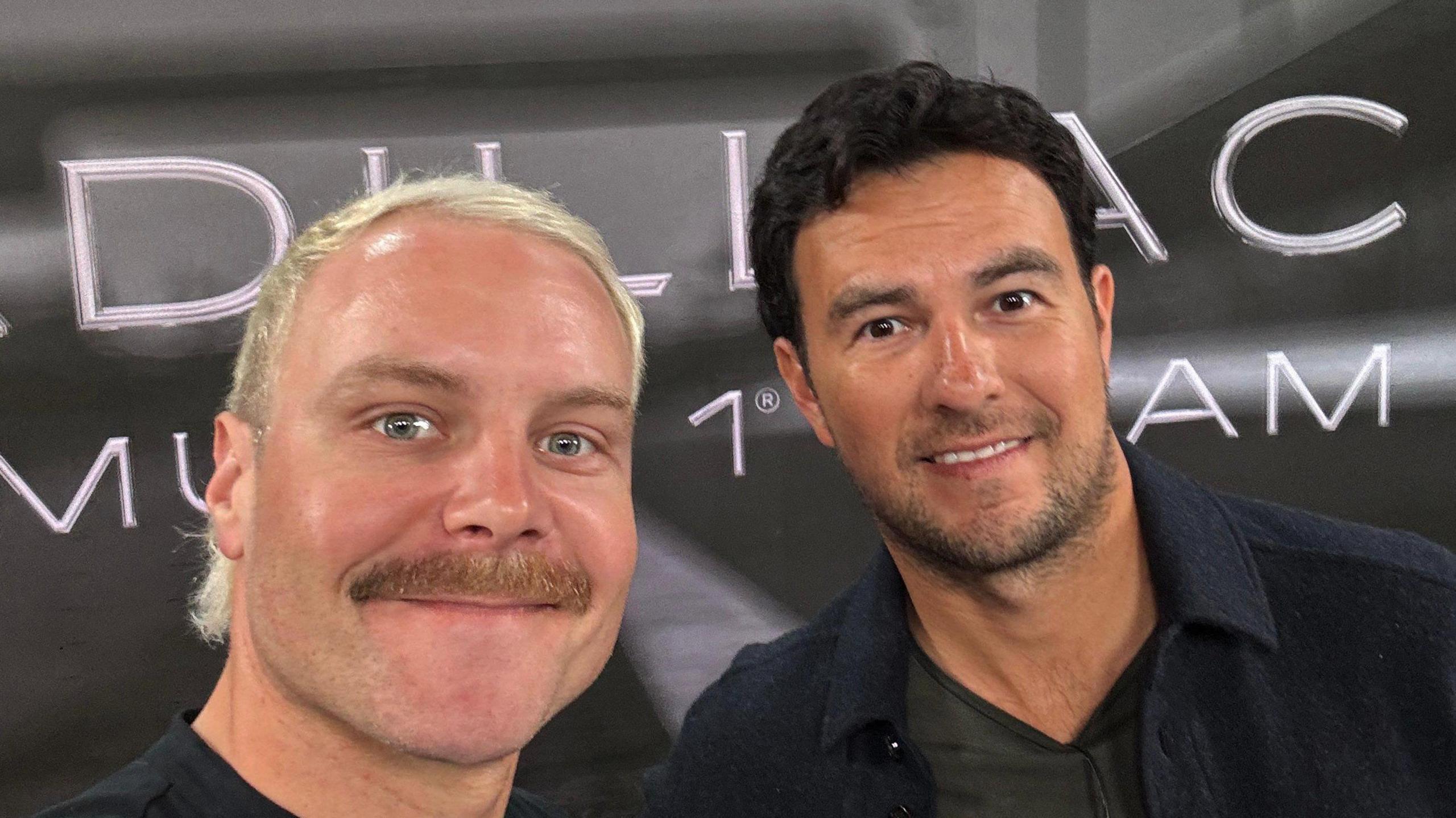
And yes — 11 teams. Cadillac arrives next season with the backing of General Motors. It’s a heavyweight name returning to the sharpest edge of motorsport, and it’s not messing around. Experience is the priority: Sergio Pérez and Valtteri Bottas will lead the American outfit into its first races.
Between them? More than 100 podiums. Not a bad way to start life in the fast lane.
Graeme Lowdon, who worked with Virgin and Marussia, will be team principal. And while Cadillac will run Ferrari power-units for the first phase of their F1 adventure, GM’s own engine is coming — with 2029 marked in pencil.
Audi Takes Over Sauber
Audi’s arrival is a different story. They haven’t entered fresh — they’ve absorbed Sauber. New branding, new hierarchy, new philosophy. Jonathan Wheatley, formerly of Red Bull, will step in as team boss, while Mattia Binotto oversees the entire F1 programme.
The driver line-up stays the same: Nico Hülkenberg and Gabriel Bortoleto. One brings veteran stability; the other represents a bold gamble on youth.
Engines Change Hands, Legends Shift Teams
Other changes ripple across the engine landscape. Red Bull splits from Honda and embraces Ford, marking a historic partnership revival. Honda shifts focus to Aston Martin — where Adrian Newey will take over as team principal. That announcement alone feels seismic. The man who rewrote car design philosophy several times over will now steer a factory project.
And Renault? Quietly left the stage. Alpine will now run Mercedes engines.
Calendar Twist: Madrid Steps In
The calendar remains at 24 races, but the map changes. Spain gets two races: one at Barcelona, one at a brand-new hybrid street-park circuit in Madrid. Imola steps aside for now, and Monaco swaps dates.
Silverstone keeps its sprint weekend — so does Miami, Canada, China, Zandvoort and Singapore.
It’s familiar yet different, classic and innovative all at once.
A Season That Could Change Everything
Fans have heard promises before — “the biggest change ever” isn’t a phrase Formula 1 uses lightly. But this time, it feels different. The size of the regulation shift means no-one, from Verstappen to the newest rookie, can truly predict the pecking order.
Will McLaren stay on top? Will Mercedes find magic in chaos? Could an American team win a race in its debut year? Could a teenager from Britain shock the world?
In 2026, every possibility is on the table — and that might be the most exciting part of all.


There are no comments yet. Be the first to comment!