





































































































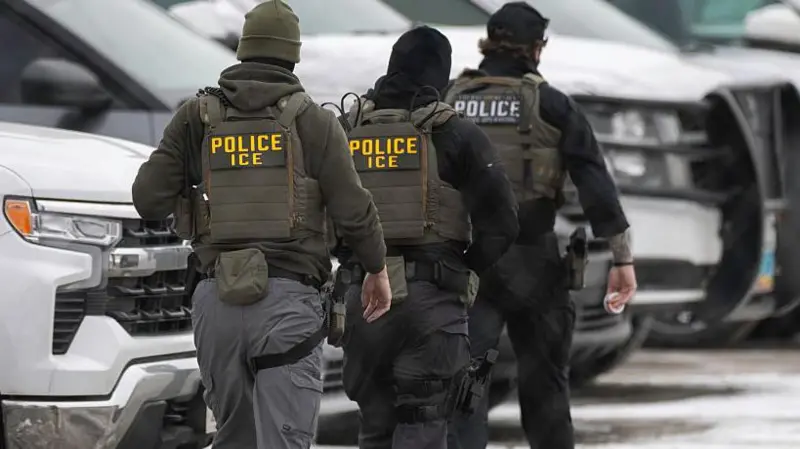
ICE to Play ‘Key Role’ in 2026 World Cup Security Despite Public Outcry
US Immigration and Customs Enforcement (ICE) will remain an active part of security operations during the 2026 FIFA World Cup, despite growing public criticism following the recent fatal shootings of two US citizens in Minneapolis.
Acting ICE director Todd Lyons confirmed before a congressional committee that the agency is “a key part of the overall security apparatus” for the tournament, which will be hosted across 11 US cities, including MetLife Stadium in New Jersey, site of the final.
Public Tensions After Fatal Operations
The announcement comes in the wake of national outrage over the deaths of Alex Pretti and Renee Good, both American citizens, who were shot multiple times by ICE agents during recent immigration enforcement operations in Minnesota — part of Donald Trump’s directed crackdown.
Representative Nellie Pou, whose district includes the World Cup final venue, pressed Lyons on whether ICE would pause operations during the tournament, citing fears from international fans about wrongful detainment or deportation.
“Visitors’ confidence is plummeting and jeopardising the World Cup,” said Pou.
Lyons replied: “ICE is dedicated to ensuring that everyone visiting the facilities will have a safe and secure event.”
Global Repercussions & Fan Concerns
Football Supporters Europe (FSE) expressed “extreme concern” over the militarisation of US police forces, calling for reassurances over fan safety at the world’s biggest sporting event.
The European Democratic Party (EDP) also hinted at the possibility of requesting national federations to withdraw from the tournament unless clear safety guarantees are provided.
FIFA responded, stating:
“The safety and security of fans and participants is our top priority. We work closely with local authorities to plan, coordinate and deliver comprehensive security measures.”
The US will host 78 matches, with Canada and Mexico co-hosting 13 games each.
What’s Next?
Despite criticism, ICE remains part of the operational plan. With matches spread across major cities, including Los Angeles, Dallas, Atlanta, and New York, officials are under mounting pressure to ensure safety without compromising civil liberties.
The growing unrest and political scrutiny could shape how future World Cups are handled — both in terms of host country selection and security protocols involving federal enforcement agencies.


There are no comments yet. Be the first to comment!