
















































































































































Mikel Arteta’s Secret Weapon?! Arsenal Hire New Throw-In Coach Who Worked with Jurgen Klopp at Liverpool
Arsenal Hire New Throw-In Coach as Mikel Arteta Looks for Marginal Gains in Premier League Title Race
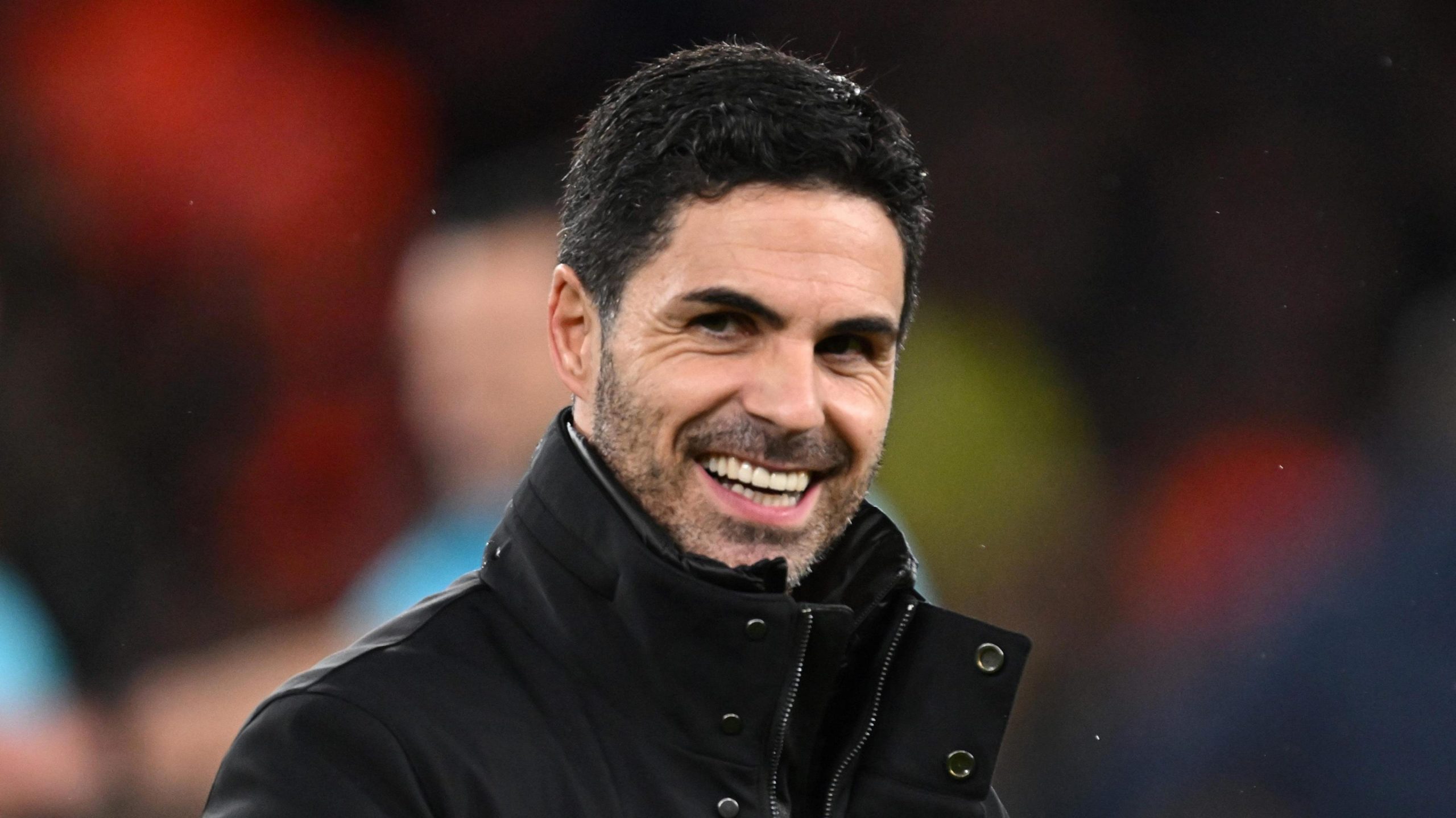
Mikel Arteta has never hidden his obsession with details. From body shape when receiving the ball to the positioning of players during defensive transitions, the Arsenal manager is known for chasing perfection in areas many others overlook. Now, as the Gunners push hard for their first Premier League title since 2004, Arteta has added another intriguing piece to his backroom puzzle.
Arsenal have officially hired Thomas Gronnemark, the former Liverpool throw-in coach who worked closely with Jurgen Klopp during one of the most successful periods in the club’s modern history. On the surface, it might sound niche. Dig a little deeper, though, and it begins to look like another calculated move designed to squeeze every possible advantage out of the fine margins that decide championships.
With Arsenal already one of the most dangerous set-piece teams in the country, the arrival of a specialist who helped transform Liverpool from one of the league’s worst sides at throw-ins into the best raises an obvious question: is this Arteta’s secret weapon?
Arteta Boosts Staff with Klopp’s Former Specialist
According to reports from the Evening Standard, Arsenal quietly moved to bring Gronnemark into their coaching setup as part of a broader strategy to strengthen their title bid. The timing is no coincidence. Arsenal currently sit clear at the top of the Premier League table, six points ahead of Manchester City, and have already scored 12 goals from set-piece situations this season.
Those numbers are not accidental. Under Arteta, Arsenal have invested heavily in specialists, analysis, and structure around dead-ball situations. Nicolas Jover’s influence has already turned corners and free-kicks into a genuine attacking weapon. Adding a throw-in coach of Gronnemark’s reputation feels like the logical next step.
In a league where matches are often decided by one goal, one turnover, or one lapse in concentration, controlling throw-ins can quietly swing momentum. Arteta knows it. Klopp knew it too.
Thomas Gronnemark’s Unique CV
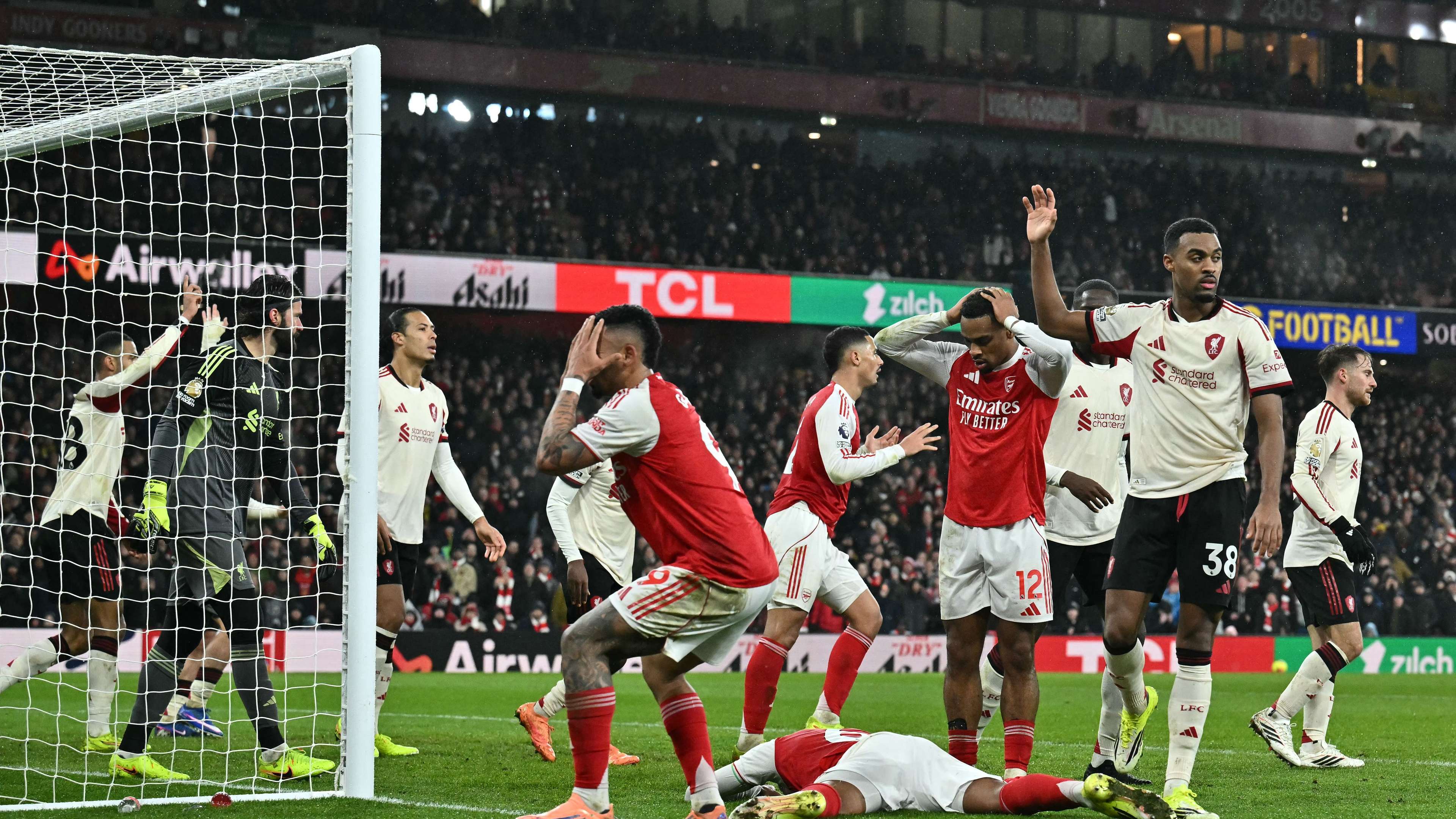
FBL-ENG-PR-ARSENAL-LIVERPOOL
Gronnemark is not a conventional football coach, and that is exactly why elite managers are drawn to him. Before stepping onto the training pitches of the Premier League, the Dane was an athlete with an unusually diverse background.
He once held the world record for the longest throw-in, a detail that often dominates headlines, but it barely scratches the surface of his story. His primary sport was actually bobsleigh, where he represented Denmark for four years at international level. That background in elite athletics shaped his analytical approach, his understanding of biomechanics, and his obsession with efficiency.
When Jurgen Klopp brought Gronnemark to Liverpool in 2018, it was his first coaching role in English football. Klopp had stumbled across him in a German newspaper and, intrigued by the data, decided to act. It proved to be an inspired decision.
During Gronnemark’s five years at Anfield, Liverpool won the Champions League, Premier League, FA Cup, League Cup, UEFA Super Cup and Club World Cup. While no one would claim throw-ins won those trophies on their own, Klopp consistently spoke about the importance of marginal gains and control in key moments.
Gronnemark’s specific focus was helping Liverpool retain possession and build attacks from throw-in situations, particularly under pressure. The results were striking.
From Weakness to Strength: The Liverpool Transformation
When Gronnemark arrived at Liverpool, the data painted an unflattering picture. The Reds ranked 18th in the Premier League for successful throw-ins under pressure, with a retention rate of just 45.4 percent.
Within one season, that figure had jumped to 68.4 percent. Liverpool went from near the bottom of the league to number one.
Gronnemark has often explained that throw-ins are one of football’s most neglected phases. In an average match, there are between 40 and 60 throw-ins. Collectively, they can account for up to 20 minutes of playing time.
“That’s a gigantic part of football,” he once said. “People have been neglecting this for many years.”
Klopp clearly agreed. He saw throw-ins not as restarts, but as attacking opportunities and defensive traps. With Gronnemark’s input, Liverpool became more composed, more aggressive, and more unpredictable from the touchline.
Why Throw-Ins Matter More Than You Think
To the casual observer, a throw-in feels routine, almost boring. To coaches like Arteta and Klopp, it is a moment of chaos — and chaos creates opportunity.
Poorly organised throw-ins lead to cheap turnovers. Well-drilled ones can bypass a press, drag defenders out of shape, and create overloads in unexpected areas. In high-pressure matches, they can slow the game down, allow teams to reset, or launch fast attacks against unsettled defences.
Gronnemark’s philosophy revolves around preparation. Players are taught to scan earlier, move with purpose, and understand multiple options before the ball even leaves the thrower’s hands. It is about decision-making under pressure, not just distance.
For a team like Arsenal, who dominate possession and often face deep defensive blocks, improving throw-in efficiency could unlock another route to goal.

FBL-ENG-PR-BOURNEMOUTH-ARSENAL
Arteta’s Longstanding Belief in Set-Pieces
This appointment is not a sudden idea. Arteta has spoken openly about his belief in set-pieces for over a decade.
“Ten years ago, I said it is a massive thing to do that,” Arteta once explained. “I started to have a vision, try to implement a method and try to be surrounded by the best people to deliver that.”
At Arsenal, that vision has been executed with precision. The club have invested in analysts, coaches and detailed planning around restarts. Corners and free-kicks are choreographed. Defensive organisation is drilled relentlessly.
Adding a throw-in specialist fits perfectly into that philosophy. It is not about gimmicks. It is about control.
Gronnemark on Klopp’s Famous Phone Call
One of the most human moments in Gronnemark’s story is how his Premier League journey began.
Speaking in 2024, he recalled receiving a call from an unfamiliar English number while out with his family.
“I saw the +44 and thought it was an English guy trying to sell me pens,” he joked.
The voicemail turned out to be from Jurgen Klopp.
Gronnemark described his heart pounding as he tried to call back, eventually taking the call in his car — and driving straight into a grass field in the process.
Klopp told him he had been sitting in a beach chair in Tenerife, reading Bild, when he came across an article about a throw-in coach. He had never heard of such a role before. But within minutes, he was convinced Liverpool needed one.
That open-mindedness is something Arteta shares.
What This Means for Arsenal
Arsenal are already elite in several areas. Their challenge now is to stay ahead of rivals who will inevitably adapt. Manchester City, in particular, are masters of evolving mid-season.
Hiring Gronnemark suggests Arsenal are not standing still. They are looking to turn every restart into an advantage, every touchline situation into a chance to dictate play.
It may not grab headlines like a £100m signing, but in a title race decided by inches, this could matter.
What Comes Next for the Gunners
Arsenal’s immediate focus remains on the pitch. They face Portsmouth in the FA Cup third round before turning their attention to Chelsea in the first leg of the Carabao Cup semi-final. A tricky Premier League trip to Nottingham Forest at the City Ground follows shortly after.
Whether Gronnemark’s influence is felt immediately or gradually, his appointment underlines one thing: Arsenal are thinking like champions again.
And sometimes, the smallest details make the biggest difference.


There are no comments yet. Be the first to comment!