







Cascão, Redemption and the Rebirth of Ronaldo: How a Haircut Defined Brazil’s 2002 World Cup
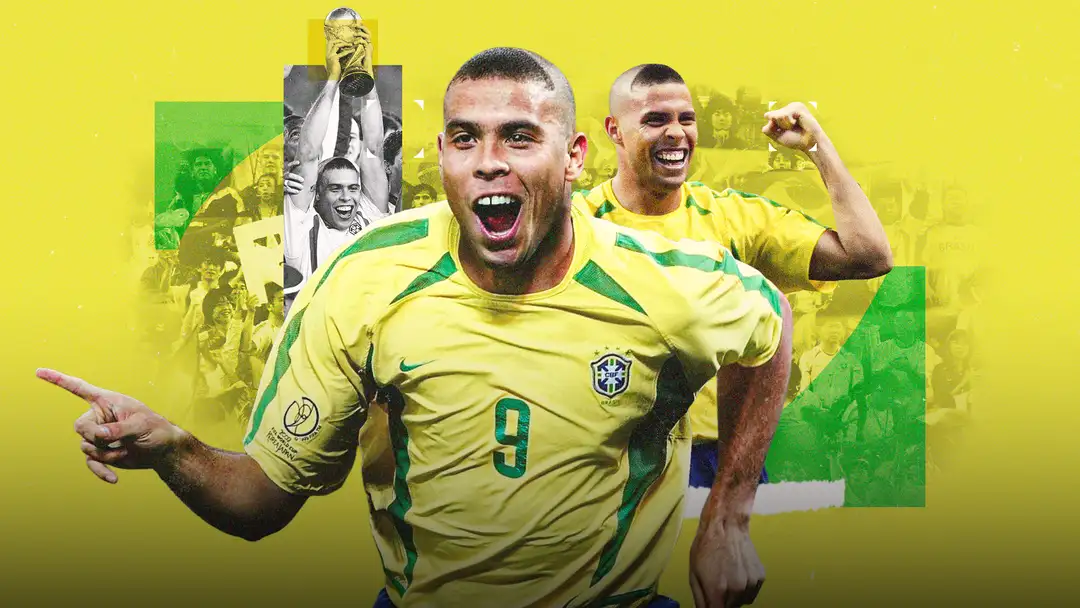
The 2002 World Cup is remembered for many things: South Korea and Japan’s flawless hosting, shocking upsets, and Brazil reclaiming their place on top of world football. But more than two decades on, one image still cuts through everything else — Ronaldo Nazário, smiling through the pain, wearing the most infamous haircut the game has ever seen.
The Cascão haircut was ridiculous, almost cartoonish. Yet it became inseparable from Brazil’s triumph and Ronaldo’s personal redemption. In a tournament shaped by pressure, injuries and doubt, that small tuft of hair somehow came to symbolise freedom, focus and a man finally escaping his past.
Ronaldo, Brazil and the Weight of the World Cup
By the time Brazil arrived at the 2002 World Cup, Ronaldo’s career already felt like several careers rolled into one. He had been a phenomenon at Cruzeiro and PSV, a global superstar at Barcelona, and the most devastating striker in Europe at Inter. He had won everything — except peace.
The shadow of France 1998 never left him. The seizure hours before the final, the limp performance against Zidane’s France, and the unanswered questions haunted both Ronaldo and Brazil. What should have been a coronation became a national trauma.
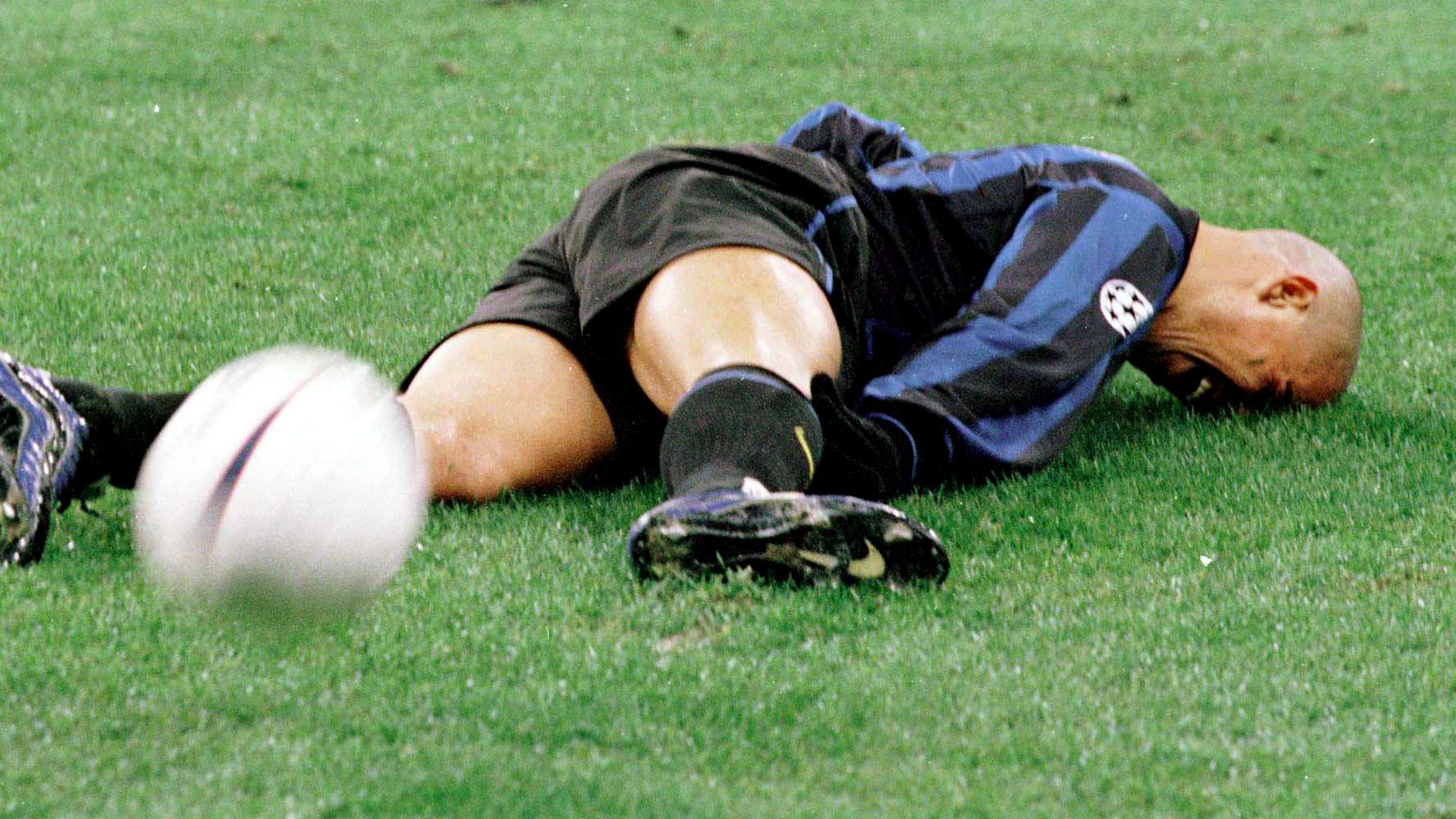
Then came the injuries. Knee inflammation. Partial tendon ruptures. And finally, the devastating night in Rome in April 2000, when Ronaldo tore his patellar tendon just minutes into his comeback for Inter. The image of him screaming on the pitch became one of football’s most painful moments.
Many believed he would never return to the top. Some believed he should never try.
A Risky Call-Up for the 2002 World Cup
Luiz Felipe Scolari’s decision to take Ronaldo to the 2002 World Cup was controversial. Romário, fit and firing, was left at home. Ronaldo, by contrast, had played just 19 matches in almost two years and completed 90 minutes only three times.
Physically, it was a gamble. Emotionally, it was explosive.
Yet from the opening game, Ronaldo delivered. Goals against Turkey, China and Costa Rica reminded the world that instinct never disappears. He wasn’t the same explosive sprinter, but his movement, finishing and intelligence were intact.
Still, the tension never left. And it reached boiling point in the quarter-final against England.
Injuries, Doubt and a Semi-Final on the Brink
Brazil’s dramatic 2–1 win over England sent them into the semi-finals — but at a cost. Ronaldinho was suspended, and Ronaldo felt pain in his thigh during the match. He was substituted late on, already fearing the worst.
After the game, his words to team doctor José Luiz Runco were telling. This was not bravado. This was desperation from a player who had already lost too much.
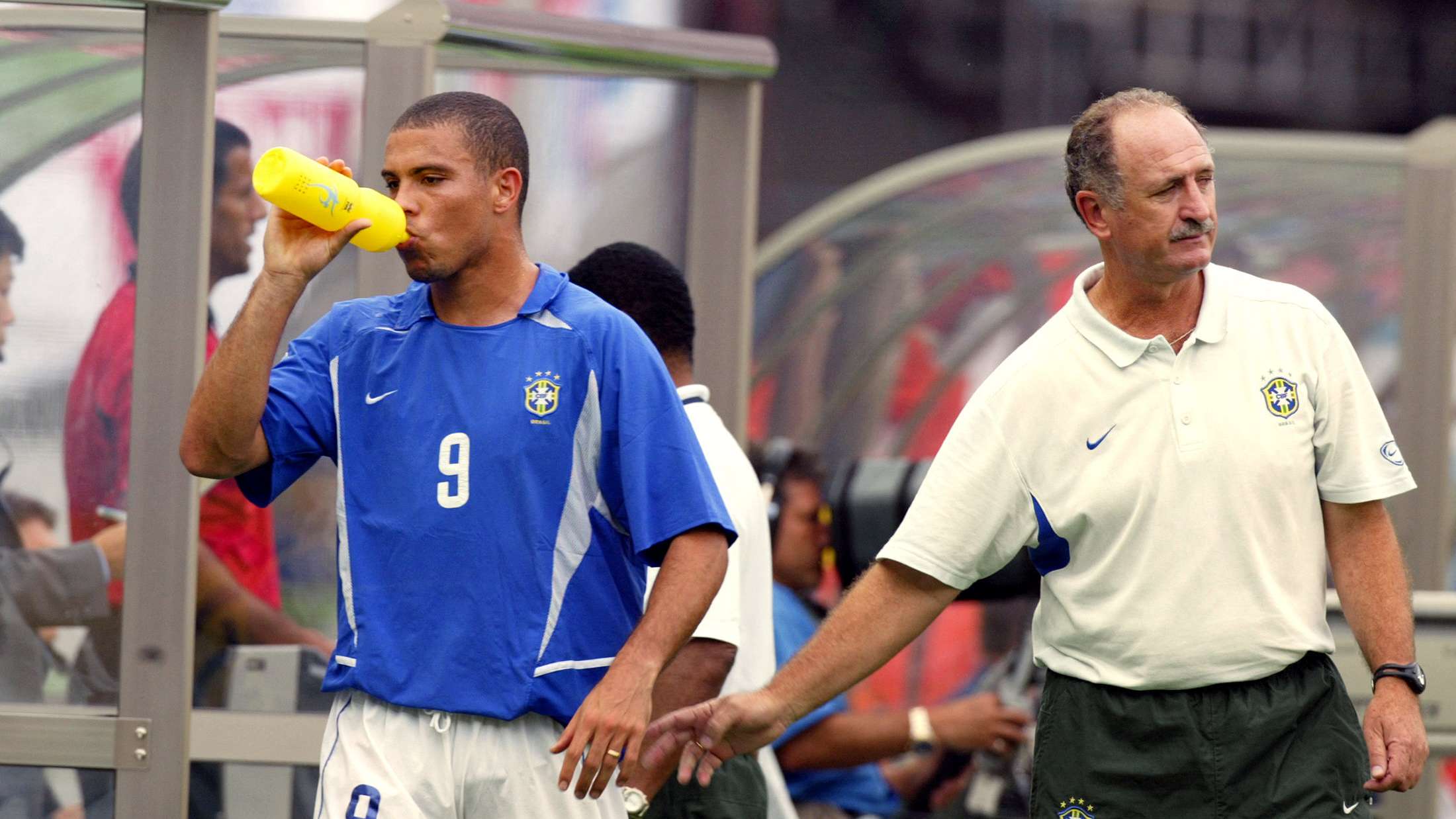
Scans showed no tear, but pain remained. Ronaldo spent his days in physiotherapy while team-mates trained. Scolari admitted concern. Runco spoke carefully. Nobody could guarantee he would play.
Ronaldo, meanwhile, did the only thing he could do — he smiled.
The Birth of the Cascão Haircut
Somewhere between fear and defiance, the Cascão haircut was born.
Ronaldo had always shaved his head before matches. This time, he left a small patch at the front. When he walked through the hotel corridor, laughter followed. Team-mates joked. The tension lifted.
Scolari was furious. He worried about distraction, about pressure, about superstition. But Ronaldo refused to change it.
He later admitted the truth: the haircut shifted attention away from his injury. Instead of headlines asking whether he could play, the world laughed, copied, and moved on.
Kids everywhere shaved their heads. Media debates raged. Even Turkey’s players joined the hair-based narrative.
Without meaning to, Ronaldo had created a shield.
Ronaldo, Turkey and One Moment of Genius
Brazil won 1–0. Ronaldo limped off. The haircut stayed.
The semi-final against Turkey was brutal. Brazil were flat. Ronaldo barely moved. Brazilian commentators called for his substitution. Even legends like Mário Zagallo admitted they expected him to come off at half-time.
But geniuses don’t need perfection — they need belief.
When the chance came, Ronaldo didn’t strike with the inside of his foot. His body wouldn’t allow it. Instead, he improvised, stabbing the ball with his toe. A goal born of pain, instinct and survival.
Brazil won 1–0. Ronaldo limped off. The haircut stayed.
World Cup Final Redemption for Ronaldo and Brazil
The 2002 World Cup final against Germany was not beautiful. It was tense, cautious, heavy with history. But this time, Ronaldo was ready.
Twice, Oliver Kahn faltered. Twice, Ronaldo reacted faster than anyone else. Two goals. No doubts. No ghosts.
Brazil lifted their fifth World Cup. Ronaldo finished as top scorer with eight goals. The circle was complete.
Where 1998 had taken everything from him, 2002 gave it all back.
Why the Cascão Haircut Still Matters
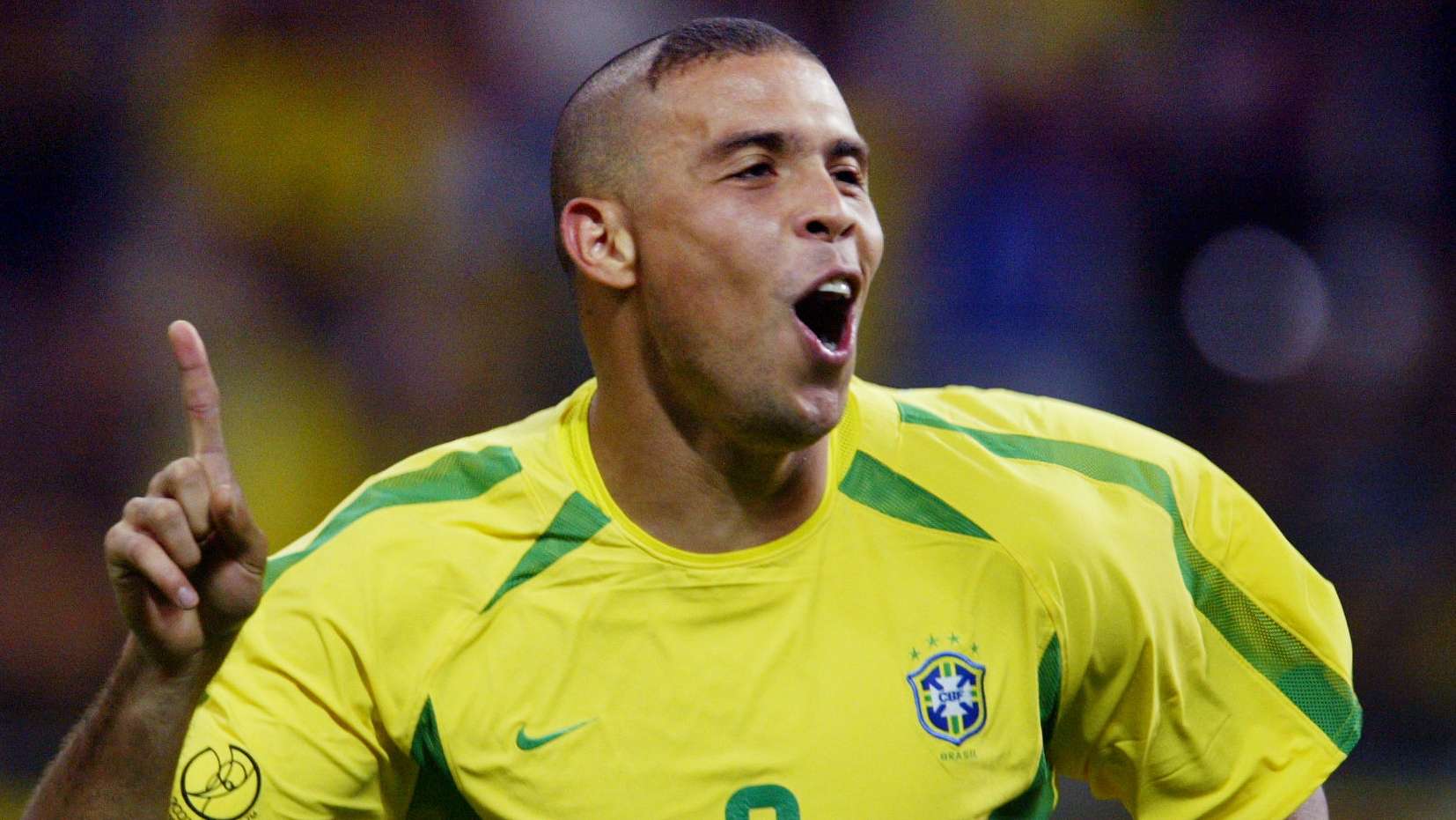
The Cascão haircut was never about fashion. It was about control. About laughter in fear. About a player refusing to let injury define him again.
That image — yellow shirt, green trim, ridiculous hair — became a symbol of Brazilian joy and resilience. Ronaldo kept the haircut for months, unwilling to let go of what it represented.
Even today, when Brazilians talk about the 2002 World Cup, they don’t just remember the goals. They remember the smile. The courage. The absurd haircut that somehow carried the weight of a nation.


There are no comments yet. Be the first to comment!