
















































































Chelsea Dressing Room Left Shocked as Pedro Neto Lifts Lid on Enzo Maresca Exit
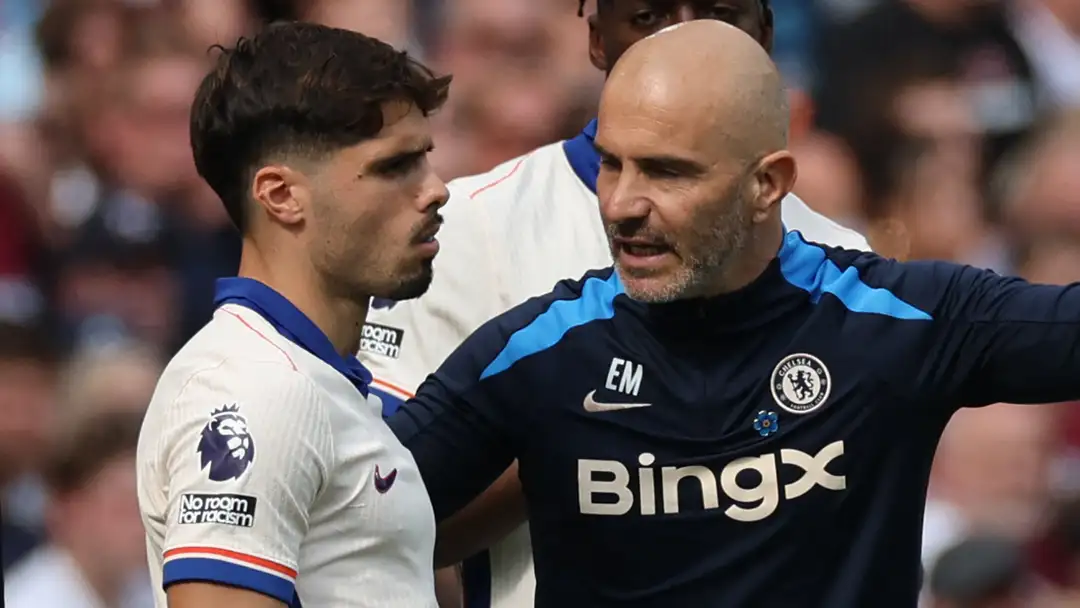
The abrupt end of Enzo Maresca’s reign at Chelsea has sent shockwaves far beyond the boardroom, and now the mood inside the dressing room has been laid bare. Speaking candidly, winger Pedro Neto has admitted that players were left both surprised and sad by the Italian’s sudden departure, underlining just how unexpected the decision felt within the squad.
For a club accustomed to managerial upheaval in the modern era, this one still stung. Maresca had delivered silverware, progress and a sense of direction. Yet, as has so often been the case at Stamford Bridge, success on the pitch did not guarantee stability off it.
Chelsea and Enzo Maresca: When Success Wasn’t Enough
On paper, Maresca’s Chelsea tenure reads well. A Club World Cup triumph in the summer. Champions League qualification secured the previous season. A squad packed with young talent beginning to look coherent, disciplined and competitive.
But football rarely runs on logic alone.
Cracks began to show in December, when Maresca publicly described a 48-hour spell as “the worst since I joined the club”, hinting at a lack of internal support. At the time, many brushed it off as frustration during a demanding run of fixtures. In hindsight, it felt more like a warning flare.
Just weeks later, Chelsea acted.
In a brief but loaded statement, the club confirmed that they had parted company with the 45-year-old, thanking him for his contributions while insisting that a change was needed to keep key objectives on track across multiple competitions.
It was corporate language, but the message was clear: alignment between Maresca and the board had broken down.
Pedro Neto Speaks: ‘We Were Surprised and Sad’
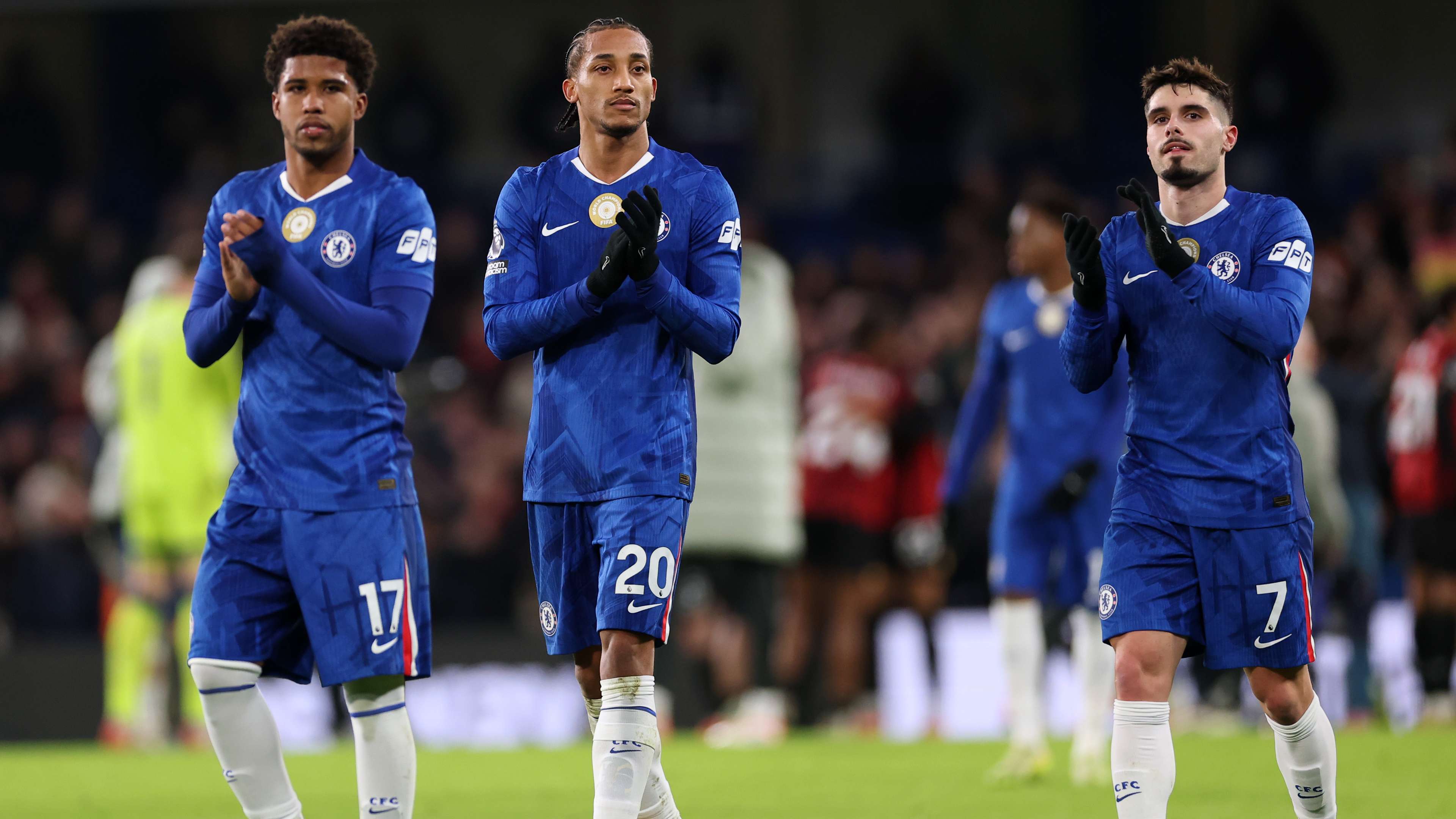
Inside the dressing room, the reaction was far more emotional.
Pedro Neto, one of the players most closely linked to Maresca’s Chelsea project, did not hide his disappointment when asked about the sacking. The Portugal international arrived from Wolves in the summer of 2024, the same window that saw Maresca take charge, and the two quickly formed a strong working relationship.
“When I heard the news, at the beginning, I was a little bit surprised,” Neto admitted. “The manager did very good for us. He had an unbelievable season last year and he was doing a good season this year as well.”
There was no hint of rehearsed diplomacy in his words. Instead, Neto spoke like a player genuinely affected by the loss of a coach he trusted.
“On a personal level, I was sad,” he added. “He helped me a lot. I learned so much with him, not just tactically but as a person as well. For me, the only thing I can say is thank you.”
That sense of gratitude echoed quietly around Cobham. Maresca had earned the respect of his players, particularly younger members of the squad who benefited from his clear structure and detailed coaching.
Why Enzo Maresca’s Chelsea Project Unravelled
So why did it end?
Those close to the situation suggest the warning signs were visible long before the official announcement. Maresca’s comments in December were widely interpreted as a thinly veiled criticism of the board, and in an ownership model driven by data, long-term planning and tight control, such public dissent rarely goes unnoticed.
Chelsea’s hierarchy believed progress had stalled, despite respectable league positioning. The argument from above was that performances lacked consistency and that the team risked drifting at a crucial stage of the season.
From Maresca’s perspective, patience was required. From the board’s, momentum had to be protected.
That tension ultimately proved fatal.
Chelsea Dressing Room Unity Tested Again
One of the most striking aspects of Neto’s comments was how clearly they reflected the mood among the players. Chelsea’s dressing room, often portrayed as fragmented in recent years, had grown closer under Maresca’s guidance.
He encouraged accountability but also fostered trust. Players knew where they stood. Training sessions were demanding, but the messaging was consistent.
For that structure to be removed mid-season inevitably creates uncertainty.
“It’s never easy when something like this happens,” one senior figure privately admitted. “Especially when players feel the manager is doing a good job.”
Neto’s honesty confirms that Maresca’s exit was not something the squad had been braced for.
The Liam Rosenior Question Looms Large
Attention now turns to who comes next.
In the immediate term, Under-21s coach Calum McFarlane will oversee Chelsea’s trip to Manchester City, but all signs point towards Liam Rosenior as the leading candidate to succeed Maresca.
Currently in charge of Strasbourg, Rosenior is part of the same BlueCo ownership group, making the move administratively straightforward. Yet the man himself has been careful to distance himself from the noise.
“There’s a lot of speculation, but my job is here,” Rosenior said when pressed. “If you get involved in rumours, you fail as a coach.”
His comments were measured, realistic and telling. In modern football, even managers understand how fragile job security can be.
For Chelsea, appointing Rosenior would represent another philosophical shift. Younger, progressive, tactically flexible – but also relatively inexperienced at the very top level.
What Comes Next for Chelsea After Maresca
The timing of Maresca’s exit ensures there will be little room for sentiment. Chelsea sit fifth in the Premier League and face a testing run of fixtures, starting with Manchester City away before a derby trip to Fulham.
An FA Cup tie at Charlton Athletic follows, offering a brief change of pace but no guarantee of comfort.
The squad must respond quickly. And players like Pedro Neto, who thrived under Maresca, will be central to that response.
For all the talk of strategy and structure, football remains deeply human. Managers form bonds. Players buy into ideas. When those connections are broken abruptly, the impact lingers.
Neto’s words captured that reality perfectly.
Chelsea may believe change was necessary. The dressing room, however, is still coming to terms with losing a coach many felt deserved more time. Whether the next appointment brings clarity or further turbulence will define the next chapter of a club forever balancing ambition with impatience.


There are no comments yet. Be the first to comment!