






















































































































How Isack Hadjar Bounced Back From Australian GP Disaster: “My World Collapsed”
Isack Hadjar Admits His World Collapsed After Australian GP but Learned How to Bounce Back Quickly
Formula 1 has a cruel way of exposing drivers at their most vulnerable. One mistake, one moment of lost concentration, and the world can come crashing down in front of millions. For Isack Hadjar, that moment came far earlier than he had ever imagined. The Australian Grand Prix, his very first race weekend as a full-time Formula 1 driver, ended before it truly began. A crash on the formation lap. No race. No redemption until days later.
“When it happened,” Isack Hadjar admits, “my world collapsed.”
It is a powerful phrase, and not one often heard so openly in a sport that still celebrates emotional restraint. Yet for Isack Hadjar, the honesty feels fitting. His journey since that low point has been defined not just by speed, but by resilience — and by learning how to bounce back when everything seems to fall apart.

Isack Hadjar, Racing Bulls Team
A Rookie’s Nightmare in Melbourne
The 2025 Australian Grand Prix was supposed to be a moment of arrival. The culmination of years spent grinding through junior categories, living out of suitcases, chasing a dream that very few ever reach. Instead, it became a nightmare.
On the formation lap, with adrenaline high and tyres still cold, Isack Hadjar lost control and crashed out before the race had even officially started. The cameras caught everything. The silence afterward was deafening.
Speaking on Red Bull’s Talking Bull podcast, Isack Hadjar did not sugarcoat the emotional impact.
“For me, my world collapsed that day,” he said. “In the car, the emotions were very, very high.”
For a rookie, such an incident can be career-defining in the worst possible way. First impressions matter in Formula 1. Teams, engineers, media — everyone is watching. And yet, unlike other sports, there is rarely time to hide.
Five Days to Reset Everything
What separates Formula 1 from many other elite sports is its relentless pace. There is no long recovery window, no extended reflection period. Five days after Melbourne, the circus moved on to China.
Hadjar knew that dwelling on the mistake would destroy him.
“This is not a sport where you fight once every six months,” he explained. “You get to run it back five days later. And that’s when I saw my opportunity.”
Instead of spiralling, Isack Hadjar leaned into the pain.
“I was like, ‘OK, I’m going to have a painful five days now thinking of that mistake. But I know I’m going to jump back in the car and show everyone what I can do.’”
It was a mindset shift. Acceptance first, then action.
China: The First Real Response
When qualifying arrived in Shanghai, Isack Hadjar delivered his answer in the only language Formula 1 truly respects: lap time.
“At that time of the year, I had my best qualifying in China,” he said. “I got back to my feet very quickly.”
There were no podiums, no headlines, but within the paddock, people noticed. The same rookie who had crashed under pressure in Melbourne now looked composed, sharp, and aggressive when it mattered most.
For Isack Hadjar, it was the first proof that the Australian disaster did not define him.
Suzuka and the Meaning of First Points
The true turning point came at the Japanese Grand Prix. Suzuka is not just another circuit; it is sacred ground in Formula 1. A driver’s track. A place where rhythm, bravery, and respect for history all matter.
There, Isack Hadjar finished eighth, scoring the first points of his Formula 1 career.
“You know what,” he said, “it’s not even just the points. It’s the fact that it’s such a legendary track.”
His connection to Japan ran deeper than the result.
“I always wanted to drive there as an F1 driver. I’ve done sim, I’ve watched the races since I was a kid. I love Japan — the food, the culture, the manga, everything.”
The emotion in his voice was unmistakable.
“There’s no other place I wanted to have my first points. I’ve done it here.”
For a driver who had felt his world collapse just weeks earlier, Suzuka was more than redemption. It was validation.
From Survival to Belief
As the season progressed, Isack Hadjar did more than survive. He grew. Confidence replaced doubt. Errors became lessons rather than scars.
That evolution culminated at the Dutch Grand Prix, where Isack Hadjar stood on an F1 podium for the first time, finishing behind Oscar Piastri and four-time world champion Max Verstappen.
It was no longer about bouncing back. It was about belonging.
Later in the season, Red Bull confirmed what many inside the paddock already believed: Isack Hadjar would be their second driver for 2026.
From formation lap disaster to future Red Bull seat — all within a single season.
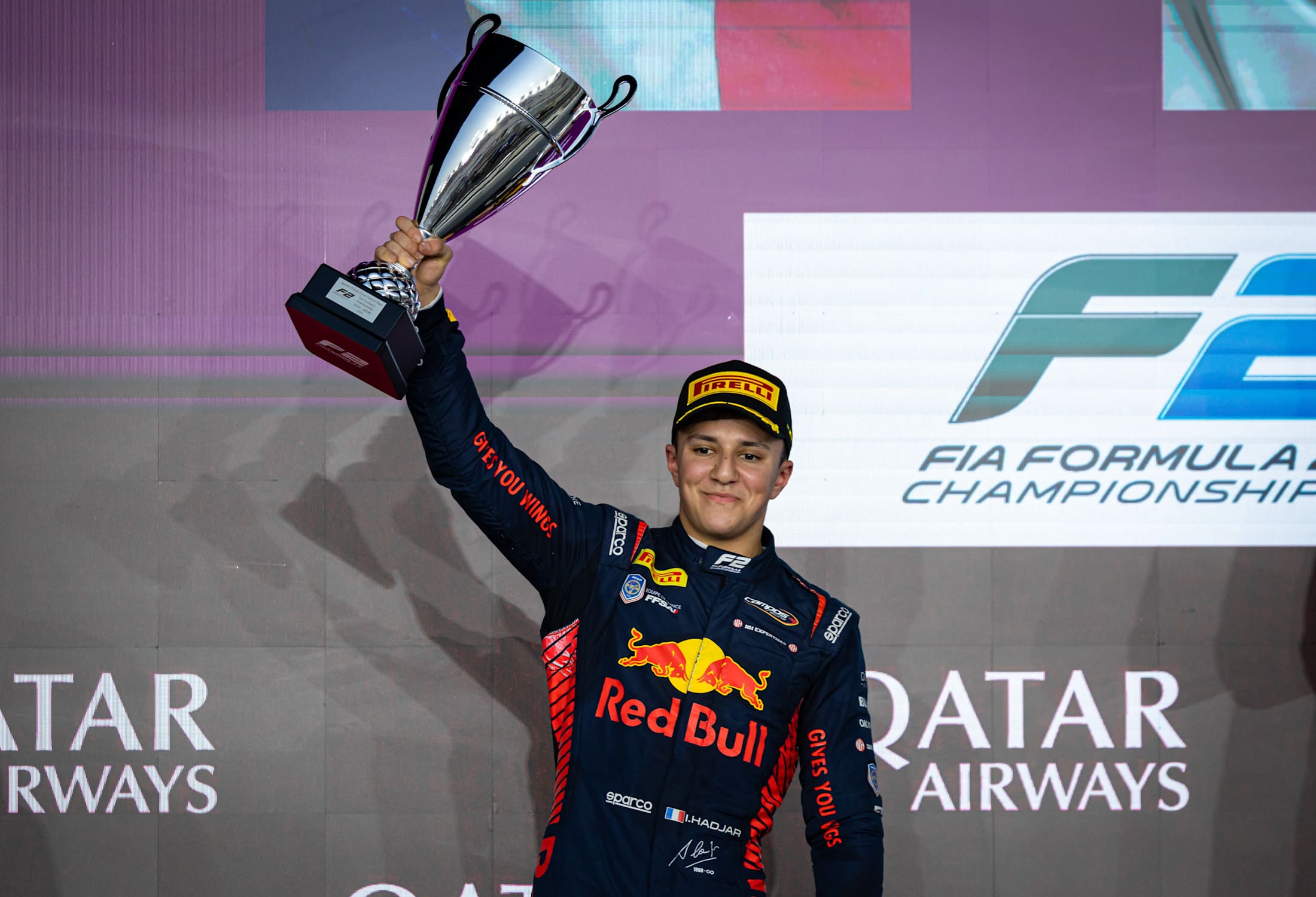
arms-aloft-for-isack
Doubt Didn’t Start in Formula 1
Hadjar’s ability to recover did not come from nowhere. Long before Formula 1, he had already experienced doubt in its rawest form.
His time in Formula 2 between 2023 and 2024 tested him deeply.
“There’s been moments where you actually have to realise that you’re not making it,” he admitted. “You start doubting yourself, and you have pressure.”
The worst part? Timing.
“You’re one step away from Formula 1, and you have your worst season in racing.”
That season felt like a final exam.
“I remember going into that last year thinking, ‘This is it. This is my final chance. If it doesn’t work out, I need to accept that F1’s not a thing anymore.’”
Few drivers speak so openly about standing on the edge of the dream — and nearly falling off it.
The Value of Second Chances
What ultimately carried Isack Hadjar through was support. From his team. From Red Bull. From people who believed even when results did not.
“I’m more than grateful for the support I had and having got that second chance,” he said.
That gratitude now shapes how he approaches setbacks.
Mistakes are no longer endpoints. They are part of the process.
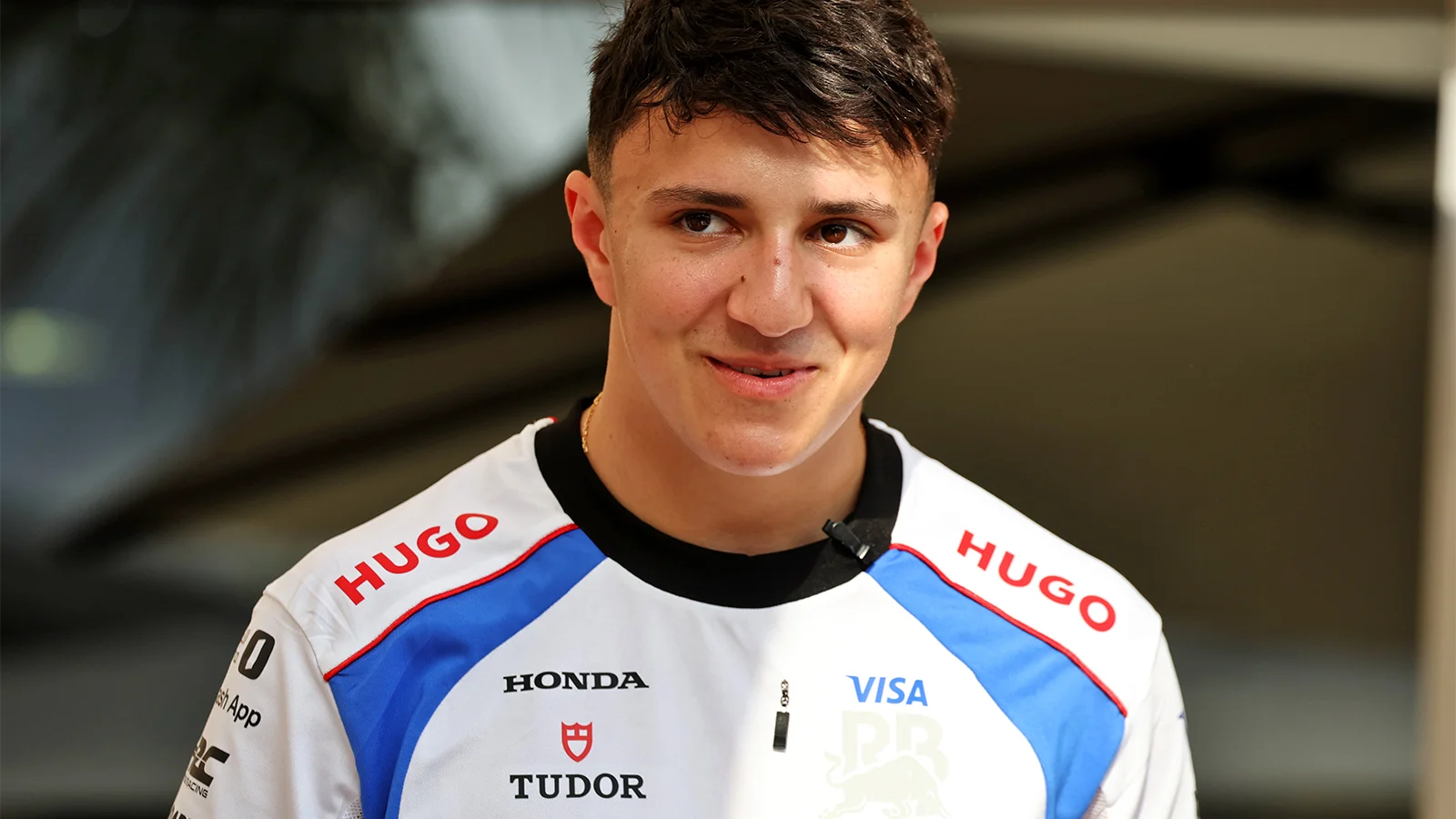
Isack Hadjar wants Red Bull test ‘more than ever’ after seeing others struggle
“My World Collapsed” — And Then It Didn’t
The phrase still lingers: “My world collapsed.” It captures the brutality of elite motorsport, especially for rookies. But Isack Hadjar’s story is not about collapse. It is about reconstruction.
He learned how to bounce back quickly — not by ignoring pain, but by using it.
In Formula 1, talent opens the door. Resilience keeps it open.
And for Isack Hadjar, the worst moment of his career may yet prove to be the most important one.


There are no comments yet. Be the first to comment!