







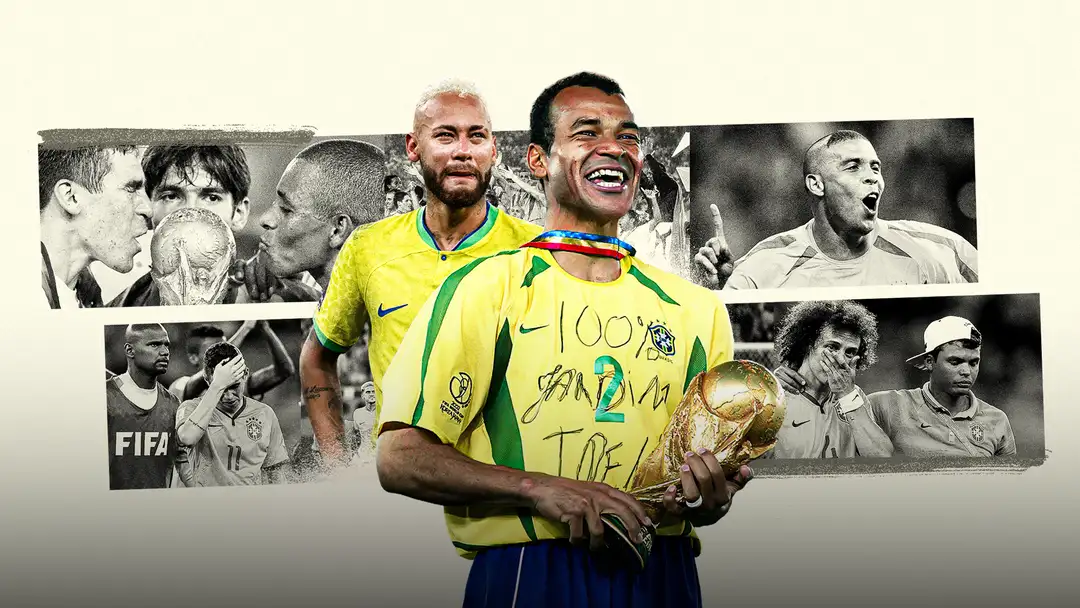
Legacy in Limbo: Brazil World Cup Identity Crisis and the 24-Year Wait That Refuses to Fade
Brazil and the World Cup have always been inseparable. For decades, the two felt stitched together by history, beauty and inevitability. Yellow shirts, samba rhythms, smiling superstars and silver trophies formed a familiar cycle. But as the road to 2026 stretches out ahead, that certainty has gone. In its place stands an uncomfortable truth: Brazil are living through the longest identity crisis in their footballing history, and the Legacy of the five-time World Cup winners is under more pressure than ever before.
Legacy and the Weight of Brazil’s World Cup Past
Every World Cup carries questions, but Brazil arrive at the next one carrying answers they no longer like. It has been 24 years since the Selecao last lifted the trophy in 2002. That number alone feels heavy in a country raised on footballing memory. If 2026 passes without glory, the drought will stretch to 28 years, the longest gap between titles Brazil have ever known.
To understand why this feels so uncomfortable, context matters. The previous 24-year gap, between 1970 and 1994, never felt like a crisis. Brazil didn’t always win, but they remained Brazil. The teams of 1982 and 1986 lost, yet enchanted the world. Even defeat came with pride. The shirt still meant something magical.
This current drought is different. It’s not just about losing tournaments. It’s about losing a sense of self.
From Jogo Bonito to an Uncertain Brazil World Cup Identity
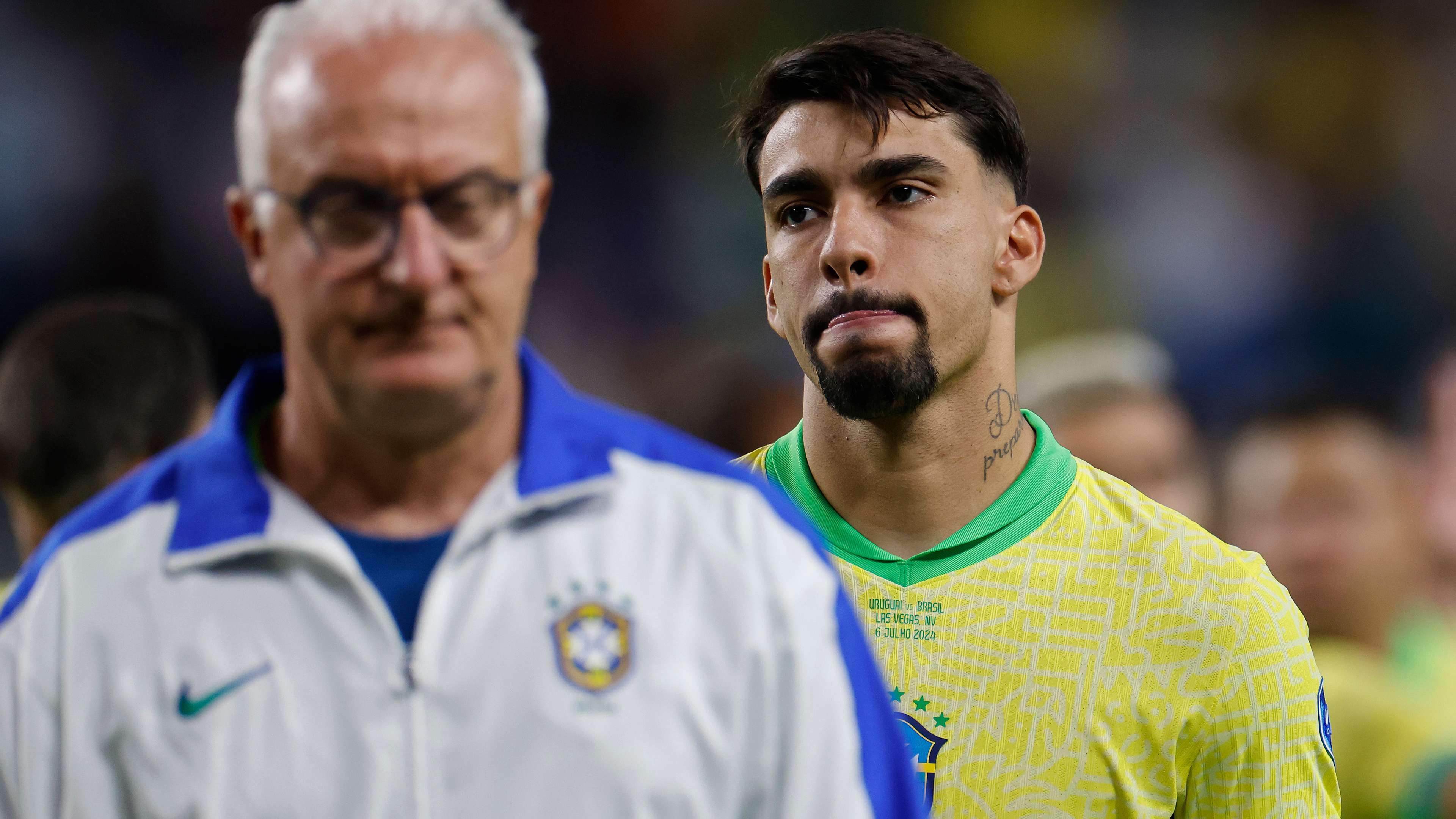
Brazil’s early World Cup history shaped the global idea of football as art. From the tears of 1950 to the joy of 1958, from Pelé’s brilliance to the all-conquering 1970 side, Brazil didn’t just win — they defined how the game could be played.
The yellow jersey became sacred. “Jogo Bonito” wasn’t marketing, it was a promise.
That promise held through the decades, even in defeat. The loss to the Netherlands in 1974, the controversial exit of 1978, the romantic tragedy of 1982 — none of it damaged Brazil’s self-belief. They still produced stars, still dominated imaginations, still felt inevitable.
But somewhere after the 2002 triumph, that certainty began to crack.
The Post-2002 World Cup Hangover
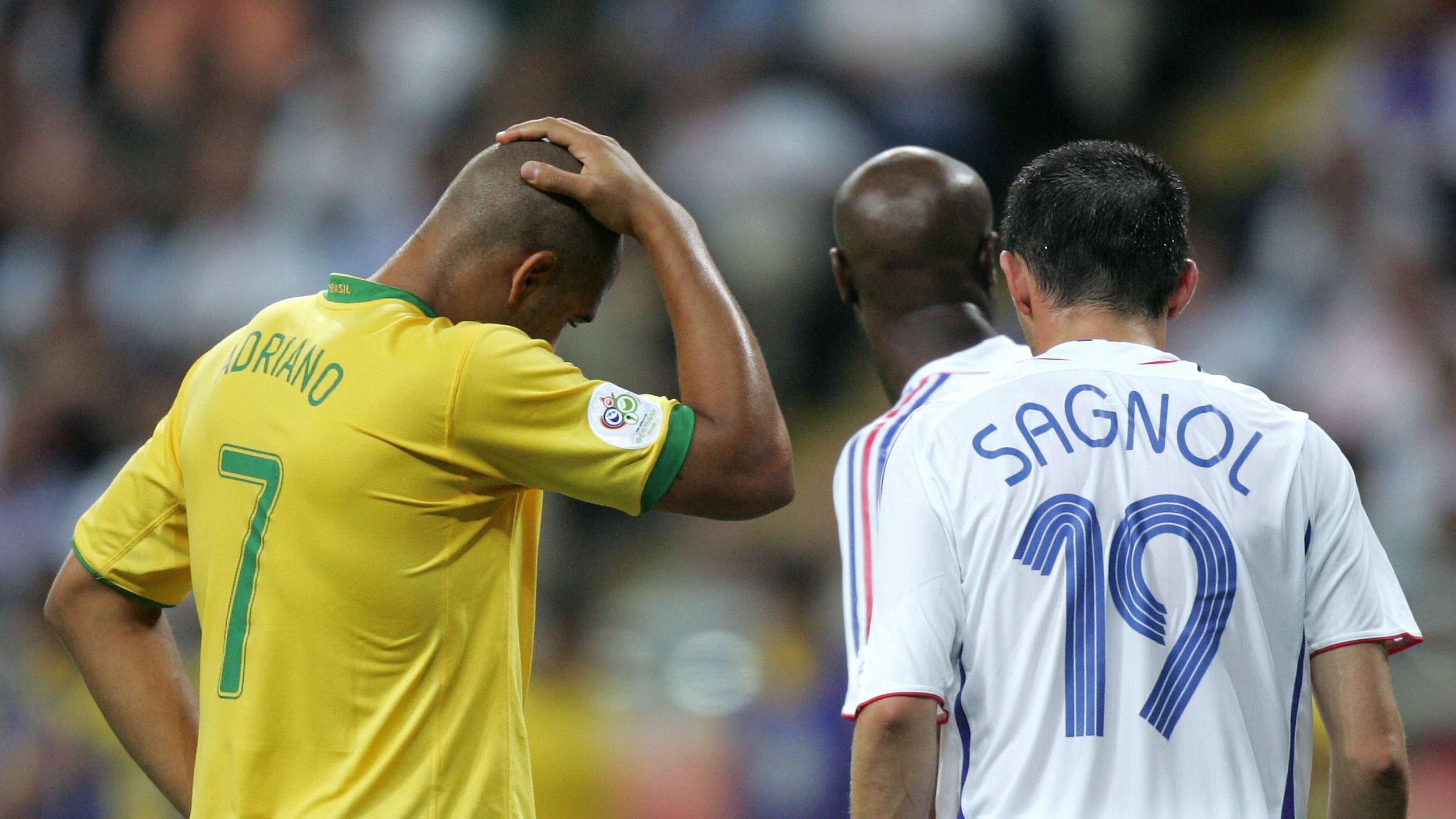
The 2006 World Cup should have been a celebration of Brazil’s strength. Instead, it marked the beginning of a long decline. On paper, that squad was overflowing with legends: Ronaldinho, Ronaldo, Kaká, Adriano, Cafu, Roberto Carlos. To outsiders, it looked unbeatable.
Those who watched closely remember something else entirely. The joy was missing. The structure was fragile. The focus drifted. The famous training camp in Weggis came to symbolise a team that believed its own myth too deeply.
When Thierry Henry scored to knock Brazil out, the image of Roberto Carlos adjusting his socks felt like a metaphor for a nation momentarily distracted while history moved on.
The response from the Brazilian Football Confederation was swift but misguided. Discipline replaced freedom. Dunga was appointed to restore seriousness. Smiles vanished.
Legacy Lost Between Discipline and Fear
Brazil won trophies under Dunga, but something fundamental was lost. Flair was sacrificed for control. Creativity became optional. Neymar and Paulo Henrique Ganso, dazzling at Santos, were left out of the 2010 squad.
The quarter-final collapse against the Netherlands in South Africa proved that discipline alone couldn’t restore Brazil’s World Cup legacy. A first-half performance full of promise ended in chaos, red cards and regret.
It was the beginning of a pattern: quarter-final exits became routine, almost expected.
Neymar and the Burden of a Nation
As older stars faded, Neymar emerged as Brazil’s next hope — and soon, its only one. The national team became “Neymar and the rest”. Talent still existed, but no one else carried the same weight.
The breaking point came in 2014. Hosting the World Cup should have been a celebration. Instead, it became trauma. Neymar’s injury before the semi-final exposed Brazil brutally. The 7–1 defeat to Germany wasn’t just a loss — it was a public unravelling of an identity already under strain.
That night created a dangerous myth: that Neymar was untouchable, indispensable. But his career, shaped by injuries and interruptions, never fully allowed him to assume the role Brazil needed. Like Ronaldinho before him, brilliance came in flashes rather than eras.
In 2018, Brazil fell again at the quarter-final stage, this time to Belgium, with Neymar becoming a global talking point for all the wrong reasons. In 2022, there was heartbreak once more as Croatia eliminated Brazil on penalties after a late equaliser.
The pattern refused to break.
A New Legacy? Brazil, Ancelotti and the World Cup Gamble
The road to 2026 has been uneasy. Coaching changes, short-term thinking and uncertainty defined the cycle. Then came Carlo Ancelotti — the first foreign coach ever to lead Brazil at a World Cup.
It is a symbolic moment. Once, Brazilian coaches were trusted above all else. Now, even that confidence has faded. Ancelotti arrives not as a luxury, but as a necessity.
His task is enormous. Neymar’s body no longer cooperates. Leadership must come from players like Vinícius Jr, Raphinha and Casemiro — players who grew up hearing about 2002 rather than remembering it. Their relationship with Brazil’s World Cup legacy is second-hand.
Brazil’s World Cup Future and an Unfinished Legacy
Questions surround everything. Should Brazil return to freedom, or protect itself with structure? Can they win without Neymar at his peak? Does the country still produce players capable of carrying the world’s expectations?
What’s clear is that this 24-year wait has reshaped Brazil. The Selecao are still the most successful team in World Cup history, but no longer feel inevitable. That alone would have been unthinkable once.
Legacy is not only about trophies. It’s about identity, belief and continuity. For Brazil, this long drought has eroded all three.
The 2026 World Cup will not just decide whether Brazil win again. It will define what Brazil are now. The wait has never felt heavier, and the answers have never felt harder to find.


There are no comments yet. Be the first to comment!