





































































































































































































































































Why Premier League Clubs Have Unusual Kick-Off Times on Sunday as Man Utd, Liverpool, Man City & Chelsea Face Strange Scheduling
The New Year’s Premier League Shuffle
As 2026 kicks off, Premier League fans are in for a weekend of unusual kick-off times that break with long-standing traditions. Big clubs including Manchester United, Liverpool, Manchester City, and Chelsea will all be in action on Sunday, with matches airing live on television at times that feel a little out of the ordinary.
Fans tuning in might notice the early, mid, and late kick-offs feel different from the typical Saturday schedule. Traditionally, 3pm kick-offs on Saturdays are considered a staple, while early and late matches are allocated to broadcasters with set rights. However, the first full weekend of the New Year has forced the league to be flexible, juggling fixture congestion, midweek games, and the desire to deliver the best televised product for viewers.
Premier League’s Unusual Scheduling Explained
This weekend, the Premier League has scheduled multiple matches at times that deviate from what fans might expect. On Saturday, for instance, Aston Villa vs Nottingham Forest was broadcast as the early kick-off, while Bournemouth vs Arsenal aired late in the day. TNT Sports, who usually hold the early Saturday slot, have instead aired Leeds United vs Manchester United at 12.30pm on Sunday.
Following that, four fixtures have been lined up for 3pm: Everton vs Brentford, Fulham vs Liverpool, Newcastle vs Crystal Palace, and Tottenham vs Sunderland. All four will air live on Sky Sports. The day caps off with a 5.30pm clash between Manchester City and Chelsea, also on Sky.
At first glance, these kick-off times might appear odd to traditionalists, but there is a method behind the madness.
Why the Kick-Off Times Are Out of the Ordinary
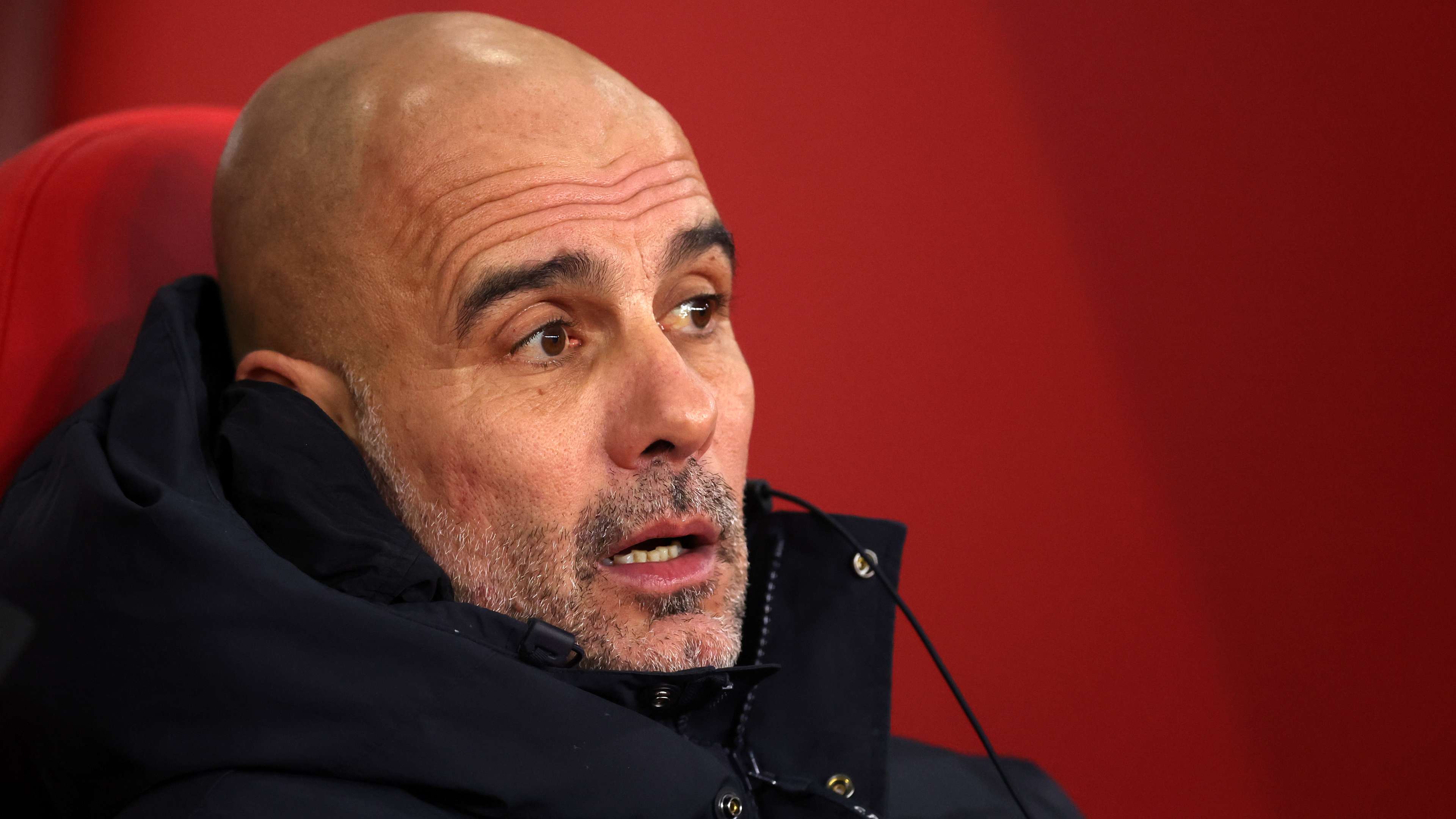
Sunderland v Manchester City – Premier League
The Premier League operates under strict rules to ensure that clubs receive adequate rest between matches. Teams are guaranteed a minimum of 60 hours between fixtures, and given the congested New Year schedule—especially following midweek games over Christmas—some matches have had to be moved from Saturday to Sunday.
Liverpool, Spurs, Manchester City, Brentford, Crystal Palace, Fulham, Sunderland, and Leeds were all involved in midweek matches on Thursday, meaning a Saturday fixture would have violated the minimum rest requirement. Chelsea, meanwhile, played on Tuesday, giving them slightly more rest, but their game against Manchester City was strategically chosen as the Super Sunday highlight of the weekend.
Interestingly, all 3pm kick-offs on Sunday are available to watch live because the traditional Saturday blackout doesn’t apply. On Saturdays, lower-league attendances are protected, meaning some Premier League matches aren’t broadcast live in certain areas. Talks are ongoing between the Premier League and EFL to potentially remove the blackout altogether, which could change the broadcasting landscape entirely.
Midweek Matches Add to the Puzzle
Adding further complexity, midweek fixtures have also influenced the weekend schedule. The FA Cup’s third round is scheduled for the following weekend, meaning clubs and broadcasters are trying to avoid fixture clashes while ensuring teams get adequate preparation time.
Next week, West Ham vs Nottingham Forest is scheduled for Tuesday in a crucial six-pointer at the bottom of the table. This necessitated other games being scheduled around that clash. On Wednesday, six games kick off at 7.30pm, including Bournemouth vs Spurs and Manchester City vs Brighton. At 8.15pm, Burnley take on Manchester United, and Newcastle face Leeds. The following day, Arsenal and Liverpool go head-to-head in what promises to be a heavyweight encounter at the top of the table.
This tight scheduling shows how the Premier League juggles competitive balance with the logistical and commercial demands of modern football.
Sunday Kick-Offs and TV Coverage
Sunday has traditionally been a less restrictive day for broadcasting. Unlike Saturdays, when the blackout protects Football League attendances, Sunday’s fixtures are free for live coverage across multiple channels. This allows Sky Sports and TNT Sports to showcase marquee games without restrictions.
For fans, this means a Sunday full of top-flight football: early afternoon, traditional 3pm, and late kick-offs all stacked with high-profile clashes. Everton, Fulham, Newcastle, Tottenham, Manchester City, Chelsea, Liverpool, and Manchester United are all in action, offering something for fans of every major club.
While it might feel unusual to see such a concentration of big games on Sunday, this arrangement maximizes television audiences and ensures clubs comply with rest requirements, especially after a busy Christmas period.
Looking Ahead: Return to Normal Scheduling
Once the FA Cup third round concludes, the Premier League is expected to return to a more familiar schedule. On January 17, the league resumes with a 12.30pm Manchester derby, as Manchester United host Manchester City. That day also features a late kick-off with Nottingham Forest welcoming Arsenal to the City Ground.
Before then, the League Cup semi-finals will kick off, adding even more football to the calendar. Newcastle face Manchester City in the first leg, while Arsenal meet Chelsea, all competing to reach Wembley and claim one of the season’s early trophies.
These competitions, coupled with Premier League fixtures, mean that broadcasters and clubs must remain flexible with kick-off times. It is a balancing act between competitive integrity, player welfare, and commercial interests, particularly in a league watched by hundreds of millions worldwide.
The Challenges of Fixture Congestion
Fixture congestion is nothing new in English football, but the post-Christmas period is always tricky. Clubs face a tight turnaround between matches, especially when midweek European or domestic cup fixtures are involved. For managers, this means careful squad rotation, and for players, it often means adjusting to unusual match times.
From a fan’s perspective, it can feel disorienting. The traditional rhythm of Saturday football is interrupted, with early, mid, and late Sunday kick-offs crammed with Premier League action. For broadcasters, however, this is an opportunity: prime-time slots can feature top teams and high-stakes games, attracting large audiences at home and abroad.
In addition, with upcoming FA Cup fixtures and League Cup semi-finals, the calendar is packed, and clubs must navigate a congested schedule without compromising performance.
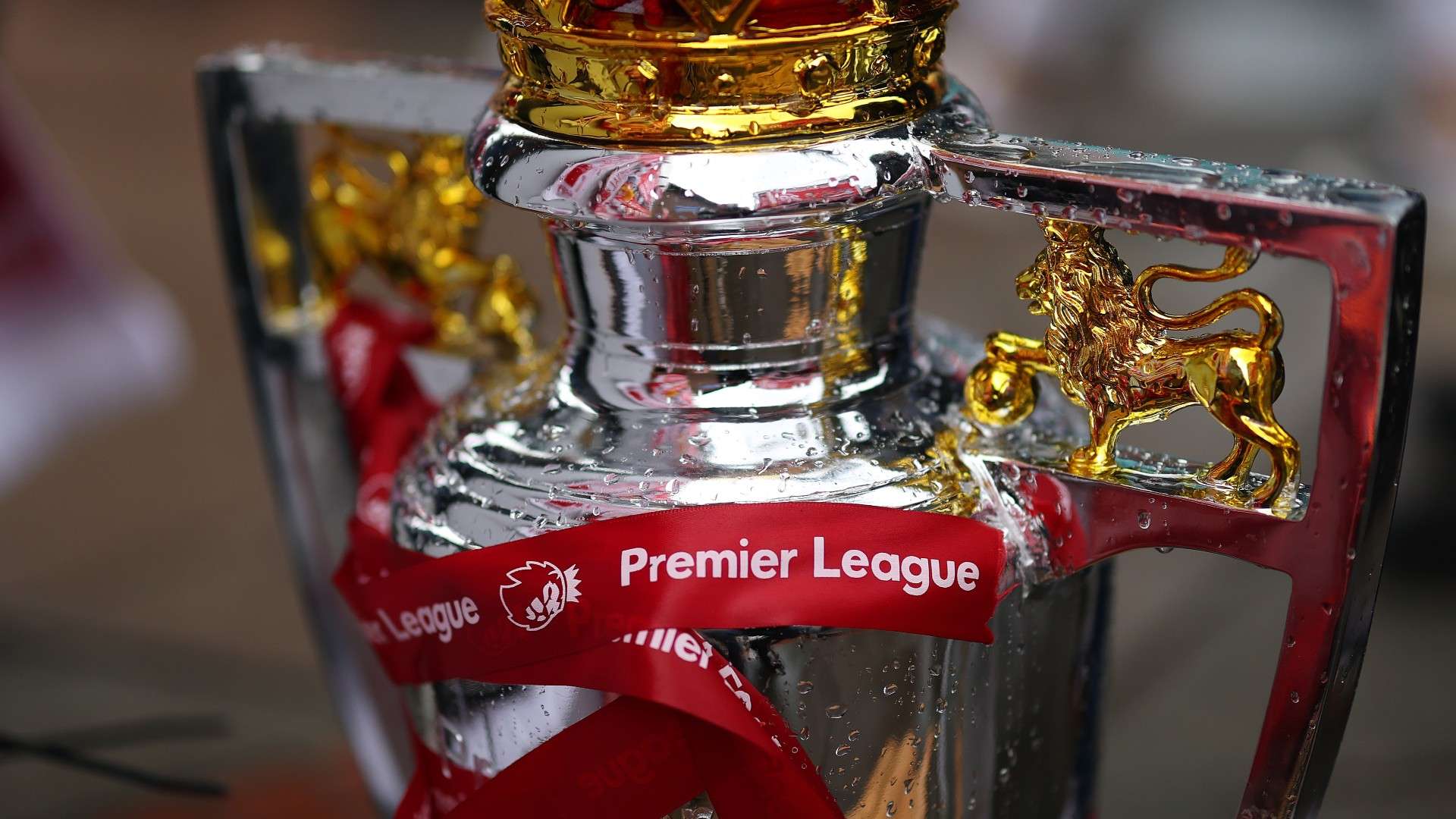
A detailed view of a replica Premier League Trophy
Why Fans Should Embrace the Change
While traditionalists may grumble about odd kick-off times, there are benefits for supporters. Sunday’s live matches mean fans don’t have to choose between games, and television audiences can enjoy a continuous stream of high-quality Premier League action. Clubs also benefit, as the spacing between matches reduces injury risks and gives managers more tactical flexibility.
For players, despite the unusual kick-offs, this scheduling allows proper recovery and preparation between games, especially during a period when midweek European matches and domestic cups pile on the fixtures.
Final Thoughts
The Premier League’s unusual kick-off times this weekend reflect the complexities of modern football scheduling. Balancing player welfare, competitive fairness, and broadcast requirements is a difficult task, particularly in a period packed with midweek and cup fixtures.
Fans of Manchester United, Liverpool, Manchester City, and Chelsea will see their teams in action on Sunday at unconventional times, but rest assured: the football will be just as thrilling. As 2026 unfolds, this flexible scheduling may become more common, particularly as broadcasters and the league experiment with ways to showcase the game to global audiences.
In the meantime, Sunday promises a feast of football, with top clubs, high stakes, and plenty of drama—all served up at unusual hours that break with tradition but deliver maximum excitement.


There are no comments yet. Be the first to comment!