

















F1 Q&A: Fallout After First Race of New Rule Era
Fallout From First Race Since Biggest Rule Changes – F1 Q&A
The opening race of Formula 1’s new technical era delivered immediate drama and debate.
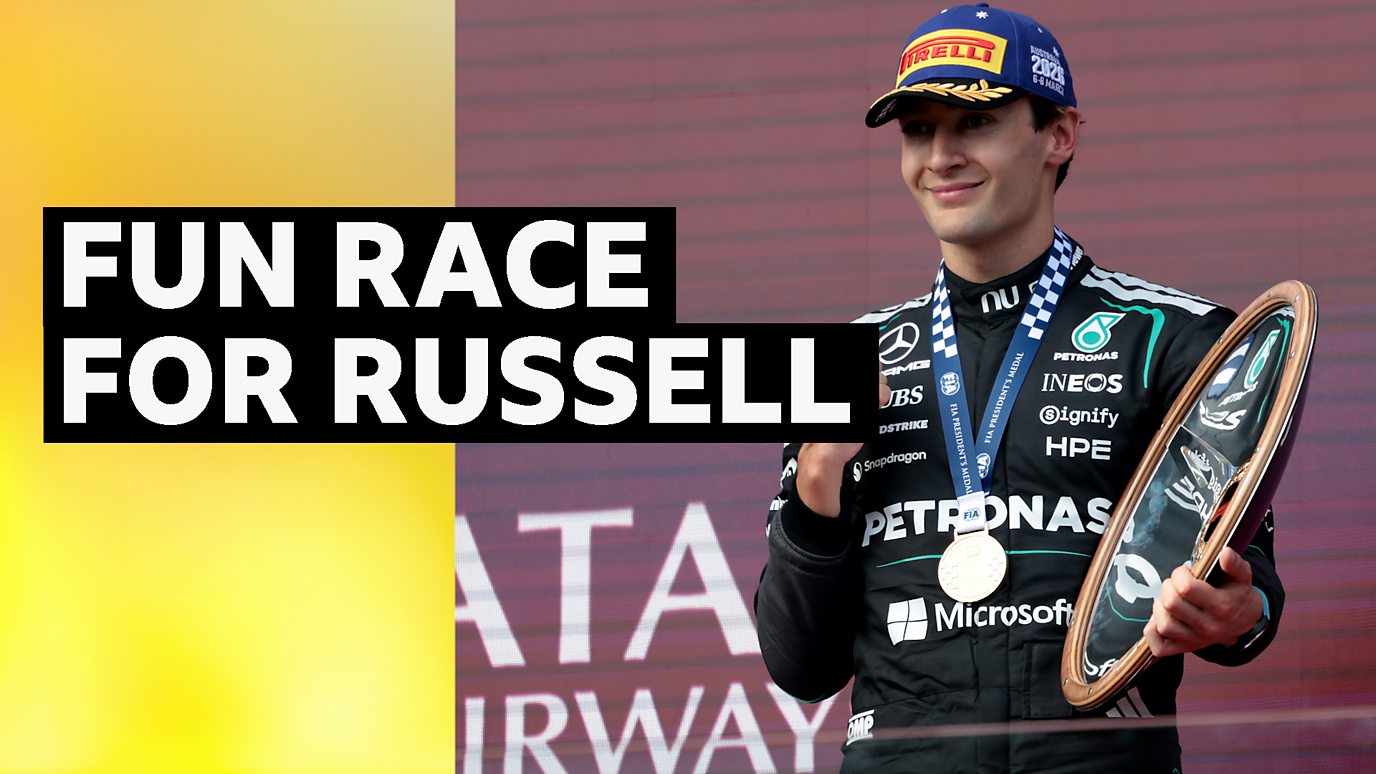
George Russell led a dominant Mercedes one-two in the Australian Grand Prix, finishing ahead of team-mate Kimi Antonelli, while Charles Leclerc completed the podium for Ferrari.
The race marked the first competitive outing under Formula 1’s major new engine regulations, which feature a near 50-50 split between internal combustion power and electrical energy.
But the new era has already sparked controversy across the paddock.
McLaren’s Unexpected Struggles
The biggest surprise in Melbourne was the pace gap between Mercedes and reigning champions McLaren.
Lando Norris qualified more than 0.8 seconds slower than Russell’s pole lap and finished the race 51 seconds behind the leader.
According to McLaren team principal Andrea Stella, the difference was largely due to how efficiently Mercedes deployed electrical power.
Although customer teams receive the same engine specification, they do not necessarily receive the same level of technical insight into how to maximise performance.
This appears to have left McLaren at an early disadvantage.
The team also believes its car is slightly overweight, meaning there is potential for performance gains later in the season.
Aston Martin’s Engine Problems
Aston Martin faces a far more serious issue.
Their new partnership with Honda has reportedly started poorly, with the power unit suffering from both low power output and reliability problems.
Team principal Adrian Newey admitted the car’s chassis performance could reach the top ten, but engine limitations are holding the team back.
Veteran driver Fernando Alonso acknowledged Honda’s ability to recover but raised concerns about the timeline.
“The question is how long it will take — and that might not match my time in Formula 1.”
The situation echoes Honda’s difficult start during its previous F1 partnership with McLaren between 2015 and 2017.
Why the New Engine Rules Exist
The controversial regulations were introduced partly to attract new manufacturers.
The strategy has worked, bringing major automotive brands into Formula 1 including:
- Audi
- Ford
- General Motors
It also convinced Honda to reverse its earlier decision to leave the sport.
However, the increased electrification has created energy-limited racing, forcing drivers to constantly manage battery usage.
This has changed the nature of Formula 1 driving, leading to criticism from several drivers.
Debate Over the Future of F1 Engines
Some fans have suggested separating motorsport categories entirely:
- Fully electric racing in Formula E
- Traditional combustion engines in Formula 1
- Hybrid systems in endurance racing
However, Formula 1 must balance sporting purity with the interests of manufacturers and technological relevance to road cars.
The next engine rules, expected after 2030, may shift toward:
- Stronger internal combustion engines
- Smaller electrical components
- Continued use of sustainable fuels
Calendar Uncertainty for Middle East Races
Geopolitical tensions in the Middle East could also affect the 2026 calendar.
The upcoming races in Bahrain and Saudi Arabia may be cancelled due to regional conflict involving Iran.
If this happens, the events are unlikely to be replaced.
Extreme summer temperatures make rescheduling difficult, and the final months of the calendar are already packed.
Teams would simply have a longer development gap between races, although additional testing would still not be permitted.
A New Era Under Scrutiny
The first race under the new rules produced plenty of overtaking and action.
But it also exposed the challenges of balancing technology, safety and sporting purity.
With the next round in China approaching, Formula 1 teams will continue adapting to the complex new systems that now define the sport’s latest era.


There are no comments yet. Be the first to comment!