





F1 rule changes spark debate over racing and safety
A sport at a crossroads
Formula 1 is facing one of its most complex and controversial eras following sweeping regulation changes in 2026.
The combination of hybrid engines, energy management, and new race mechanics has created a divided paddock:
- Some call it exciting and unpredictable
- Others say it’s artificial and unsafe
Even stars like Max Verstappen and Lewis Hamilton disagree sharply on what F1 should be.
The core issue: a new kind of racing
At the heart of the debate is the 50-50 power split between:
- Internal combustion engine
- Electrical energy
This has introduced:
- “Overtake” and “boost” modes
- Heavy energy management
- Constant switching between attack and recovery
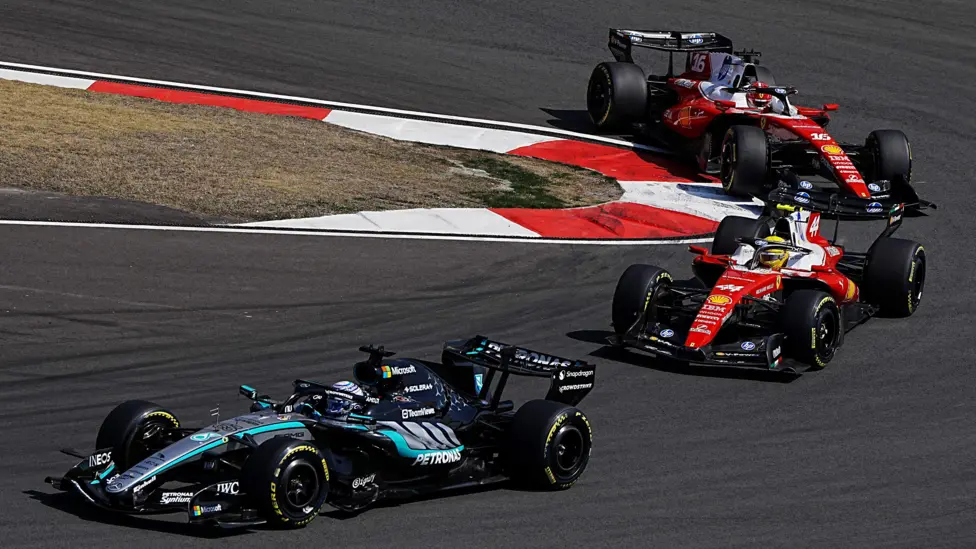
Result: “yo-yo racing”
Cars repeatedly overtake and re-overtake depending on energy levels.
Drivers divided
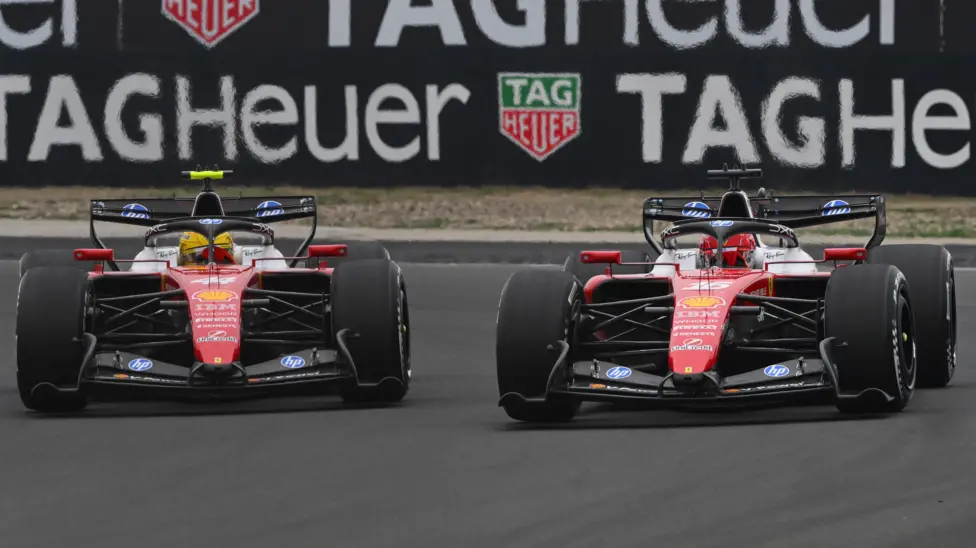
- Max Verstappen → calls it “anti-driving”
- Lewis Hamilton → says it’s “the best racing in years”
- Lando Norris → sees both sides
The key tension:
Entertainment vs authenticity
Qualifying crisis: “hurts the soul”
Traditionally, qualifying is F1’s purest test:
Driver + machine at the absolute limit
That’s no longer the case.
What’s changed:
- Drivers must lift and coast even in qualifying
- High-speed corners are now energy-saving zones
- Full-throttle laps are impossible
Charles Leclerc summed it up bluntly:
“I go faster in corners… and lose everything on the straights.”
Meanwhile, Fernando Alonso described key sections as “charging zones.”
The result:
Consistency beats bravery
Safety fears: Bearman crash warning
The biggest concern is safety.
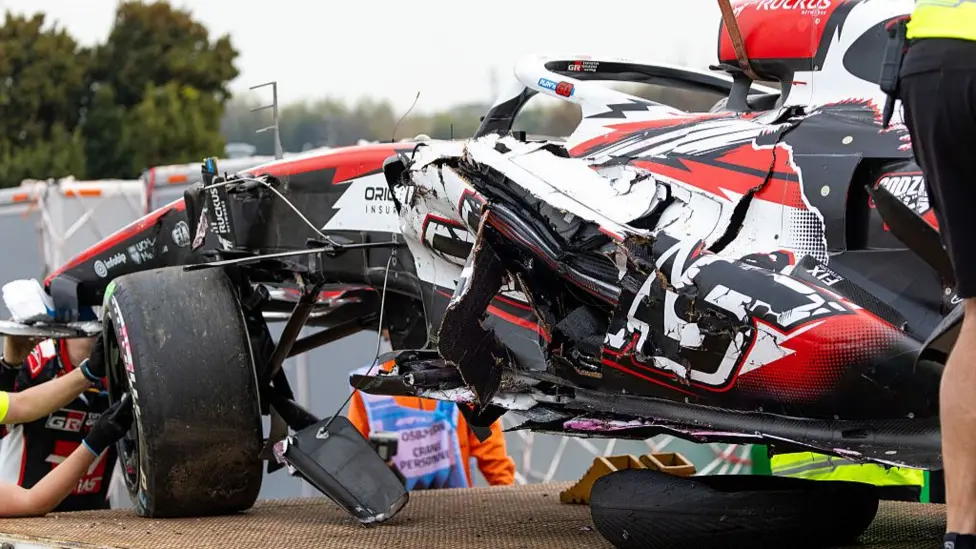
Oliver Bearman’s 191mph crash at Suzuka exposed a major flaw:
Huge speed differences between cars
Why it happens:
- One car deploying energy
- Another recovering energy
This can create 50 km/h+ speed gaps
Carlos Sainz warned:
“This will happen more… especially on street circuits.”
Think tracks like:
- Baku
- Singapore
- Las Vegas
Less run-off + higher speed = serious risk
Why fixing it is so difficult
The challenge isn’t just technical — it’s political and structural.
Complexity overload
The rules now include:
- Energy ramp-down limits
- “Super-clipping” restrictions
- Zero kilowatt zones
- Power-limited phases
Many insiders believe the system is over-engineered
Trade-offs everywhere
Fixing one issue creates another:
- Improve qualifying → worse racing
- Reduce speed gaps → less overtaking
- Increase power → political conflict between teams
For example:
- Mercedes-AMG Petronas Formula One Team supports current engine balance
- Others want more combustion power
No consensus = slow change
What could change next?
Short-term (before Miami):
- Adjust energy deployment rules
- Reduce extreme speed differentials
Long-term:
- Rebalance engine power split
- Simplify regulations
- Possibly redesign energy systems
But as Andrea Stella admitted:
“There is no simple solution.”
Final verdict
F1’s new era has created a fundamental question:
What should Formula 1 be?
- A technical spectacle?
- A driver’s challenge?
- Or pure entertainment?
Right now, it’s trying to be all three — and struggling to balance them.
One thing is certain:
The next few months could shape the future of the sport.


There are no comments yet. Be the first to comment!