






















































































































From Dream Team to Deep Trouble: Why Aston Martin and Honda Have Stumbled So Badly in Formula 1
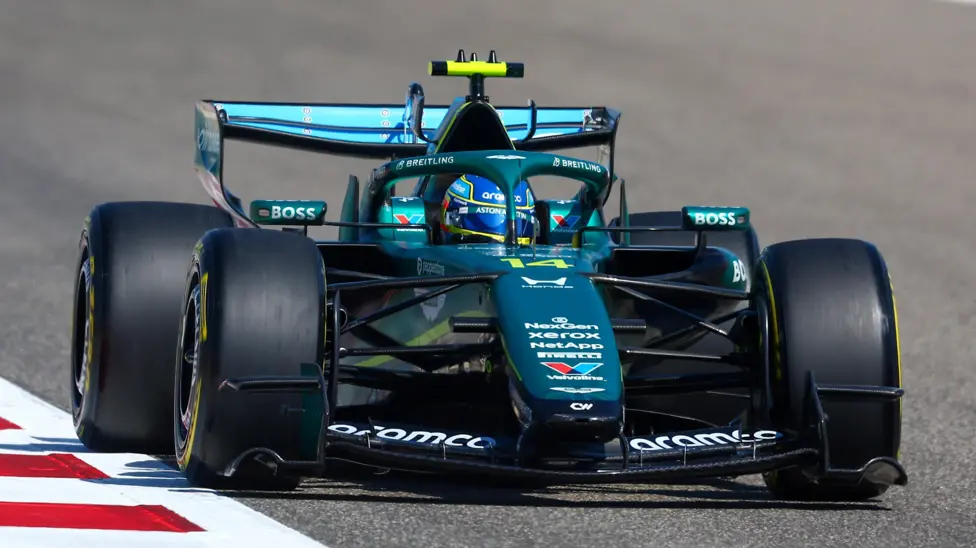
When Aston Martin rolled its 2026 Formula 1 car out of the garage for the first time, there was a noticeable shift in body language up and down the pit lane. Mechanics paused. Engineers leaned in a little closer. Rivals whispered.
In its temporary all-black livery, the car looked aggressive, sharp-edged and unmistakably different. The fingerprints of Adrian Newey were all over it — bold aero concepts, tight packaging, an interpretation of the new regulations that seemed to push boundaries rather than follow convention.
On paper, this was the final piece of the Lawrence Stroll masterplan.
In reality, it has so far been a mess.
Aston Martin’s 2026 Car: Big Expectations, Brutal Reality
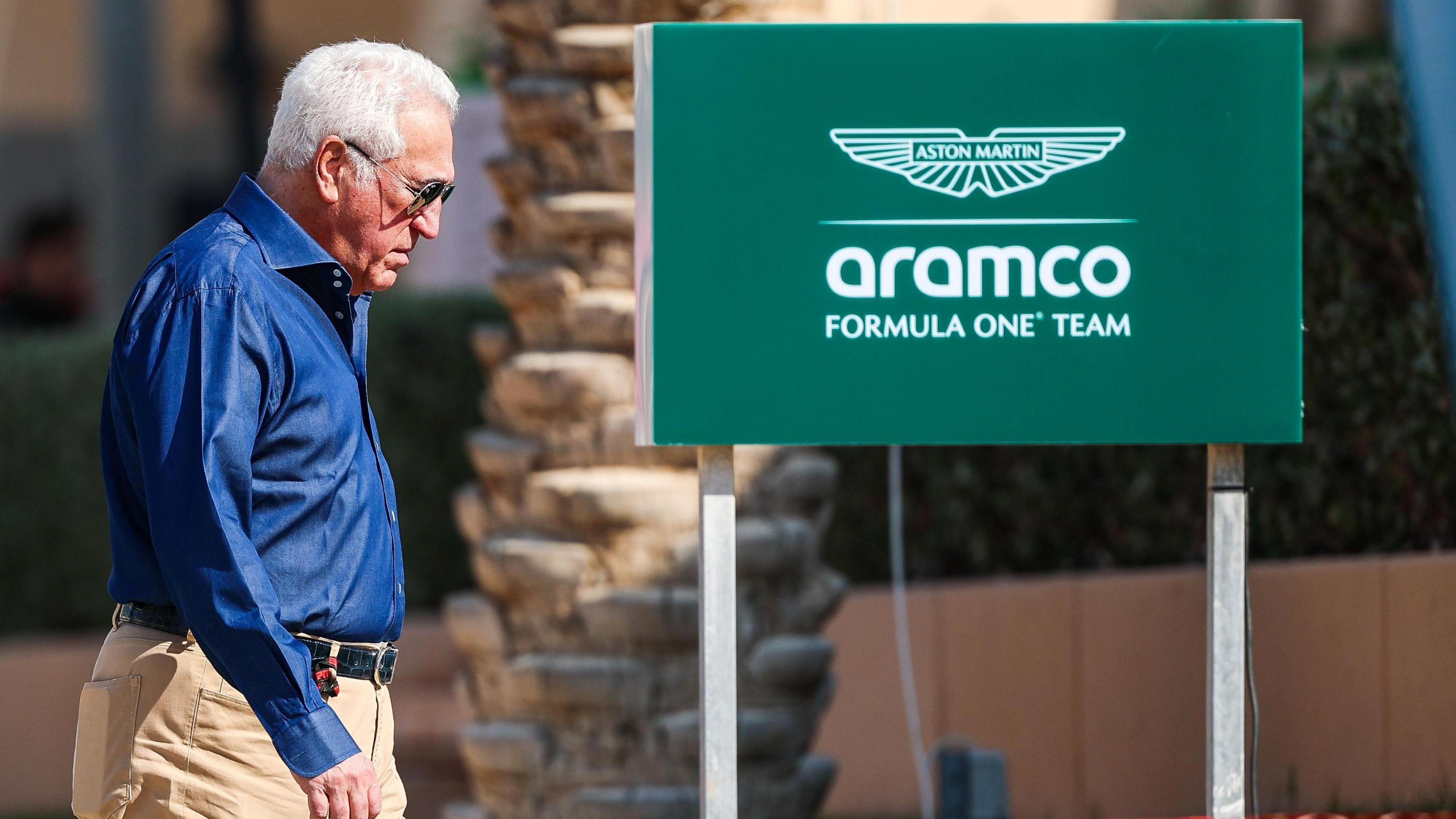
Aston Martin team owner Lawrence Stroll walks with his head down during Bahrain testing
No team entered the 2026 rules reset with more hype than Aston Martin F1 Team.
Owner Lawrence Stroll had assembled what looked like a championship blueprint. A brand-new factory in Silverstone. A state-of-the-art wind tunnel. A cutting-edge driver-in-the-loop simulator. Financial backing bolstered by Saudi investment through Aramco. A works engine partnership with Honda. And in the cockpit, a generational talent in Fernando Alonso.
Then came Newey’s arrival in March 2025 as managing technical partner — arguably the most successful designer in Formula 1 history. The man who nailed regulation changes with McLaren in 1998, and again with Red Bull Racing in both 2009 and 2022.
If ever there was a moment to strike, this was it. The 2026 overhaul represents the biggest regulatory shift the sport has seen.
But as testing began in Barcelona, optimism evaporated quickly.
The car was late to the track. On its first proper day of running, it completed just four laps before grinding to a halt at pit entry. Pre-season testing in Bahrain only reinforced the concern. Aston Martin logged the fewest miles of any team and ended up slowest overall.
Reliability gremlins were constant. When the car did run, it looked unpredictable — nervous on entry, unstable under load, difficult to balance.
Behind the scenes, the mood shifted from anticipation to damage control.
Adrian Newey’s Influence — and the Cost of a Late Reset
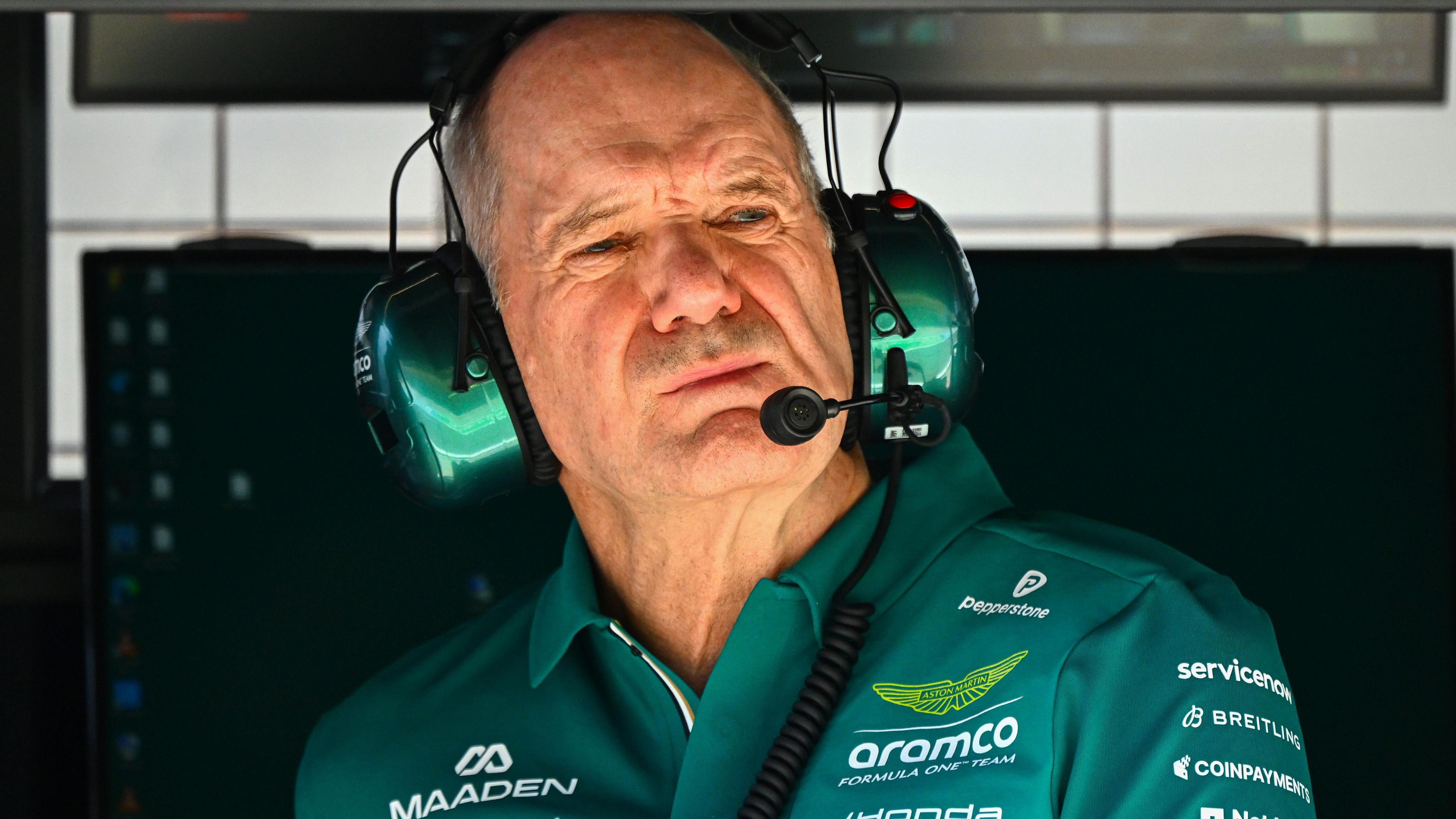
Aston Martin team principal and managing technical partner Adrian Newey wearing a headset and Aston Martin team colours while sat on the pit wall during testing in Bahrain
Newey’s reputation is built on bold thinking. He does not tweak. He reimagines.
The problem is timing.
Although the 2026 aerodynamic regulations were formally published in early January 2025, teams had been working on their concepts long before that. Working groups with the FIA had refined the direction of travel. Most teams had months — even years — of groundwork in place.
Newey only officially started in March 2025.
By then, Aston Martin already had a baseline concept underway. The word in the paddock is that Newey effectively scrapped large parts of it upon arrival, redirecting the car around his own philosophy.
That decision may prove visionary in the long term. In the short term, it left the team months behind.
Even for a designer of Newey’s calibre, clawing back such a development deficit in modern Formula 1 is an enormous task. Wind tunnel time is restricted. CFD hours are limited. Every misstep costs exponentially more under budget caps and testing constraints.
Newey himself has described the car as “one of the more extreme interpretations” of the rules. Extreme can mean innovative. It can also mean undercooked.
Right now, the Aston Martin looks the latter.
Why Is the Honda Engine Struggling?
If the chassis issues weren’t enough, the power unit situation has compounded the crisis.
Honda’s return as a full works partner was supposed to mirror its triumphant spell with Red Bull, when Max Verstappen claimed four consecutive world titles between 2021 and 2024.
Instead, uncomfortable echoes of 2015 have resurfaced.
Back then, Honda re-entered F1 with McLaren underprepared. The engines were underpowered, fragile and notoriously unreliable. The partnership unravelled before Honda eventually found redemption with Red Bull.
This time, the explanation for its struggles is murkier.
Honda officially withdrew from Formula 1 at the end of 2021, only to announce its return with Aston Martin in May 2023. In that 15-month gap, its dedicated F1 engine programme was effectively disbanded, with personnel reassigned internally.
While Honda engines continued powering the Red Bull teams through 2025 under a technical arrangement, the absence of a fully focused next-generation development group appears to have cost them dearly.
Yes, there was an engine development freeze in recent seasons — but reliability updates were permitted, and all manufacturers exploited that loophole to gain incremental performance.
Honda did not appear to fall behind during that period.
So why now?
Rivals privately point to organisational discontinuity. Building a next-generation hybrid power unit requires long-term cohesion. Aston Martin’s own internal turbulence hasn’t helped either.
Consider the leadership churn. High-profile hires such as Enrico Cardile arrived after lengthy gardening leave from Ferrari. Andy Cowell, the architect of Mercedes’ dominant hybrid engines, was installed as CEO in late 2024 — only to be sidelined a year later following a clash with Newey.
Cowell is now spending significant time in Japan assisting Honda’s recovery efforts.
Stability breeds success in Formula 1. Aston Martin have had anything but.
Fernando Alonso and the Weight of History
For Alonso, there is a sense of déjà vu.
A new Honda partnership. A car lacking reliability and pace. Lofty promises. Grim reality.
In 2015, he joined McLaren seduced by Honda’s potential. That potential was eventually realised — just not with him. By the time Honda and Red Bull dominated together, Alonso had long since moved on.
Now 44, Alonso remains one of the grid’s sharpest operators. His racecraft is intact. His motivation, remarkably, still burns. But time is finite.
He has waited an entire career to work with Newey — a designer whose cars, and occasional misfortune, denied him further championships during his Ferrari years.
Publicly, Alonso remains optimistic.
“Everything can be fixed,” he insists. “Short and medium term. I don’t think there is anything impossible.”
But privately, the clock must be ticking louder.
Does he commit to one final rebuild? Or accept that even Newey cannot conjure miracles instantly?
Can Aston Martin Recover?
The uncomfortable truth is that this project was built for 2026. Sacrifices in 2024 and 2025 were justified in pursuit of this regulation reset.
If the foundation is flawed, the timeline becomes unforgiving.
Newey has turned around underperforming projects before. Honda has recovered from worse. Aston Martin’s infrastructure is undeniably world-class.
But success in Formula 1 is not the product of individual brilliance alone. It requires synchronisation — chassis, power unit, operations, leadership — moving in harmony.
At present, Aston Martin and Honda are out of sync.
The car may yet evolve into a competitive package. The engine may find reliability and power. The pieces may eventually align.
For now, though, what once looked like the sport’s next superpower has instead become the paddock’s biggest question mark.
And as the season approaches, the most pressing uncertainty is not whether the project can be saved — but whether it can be saved quickly enough for Fernando Alonso to see it through.


There are no comments yet. Be the first to comment!