



































































How a Post-Italian GP Meeting Transformed Kimi Antonelli’s Rookie F1 Season
A Difficult Monza Weekend Became the Turning Point of Andrea Kimi Antonelli’s Rookie F1 Season with Mercedes
Andrea Kimi Antonelli’s rookie Formula 1 season was never supposed to be easy. Thrown into the spotlight with Mercedes at just 18 years old, expectations followed him to every circuit, every session, every radio message. But few weekends summed up the brutal learning curve of Formula 1 better than his home race at Monza. Ironically, it was that painful Italian Grand Prix — and a frank post-race meeting that followed — which ultimately reshaped Antonelli’s mindset and transformed the remainder of his rookie F1 season.
Speaking exclusively to, the young Italian reflected on how close he came to losing his way, how pressure and self-doubt crept in, and how one honest conversation with Toto Wolff and race engineer Peter “Bono” Bonnington helped him reset mentally and rediscover the driver Mercedes believed in all along.
Early Promise in a Rookie F1 Season That Began at Full Throttle
Antonelli’s arrival in Formula 1 was met with a mix of excitement and curiosity. Mercedes had put enormous faith in the teenager, promoting him faster than most expected. Early signs suggested that gamble might pay off. His sprint pole position in Miami wasn’t just impressive — it was a statement.
For a brief moment, it looked like Antonelli had everything under control. The speed was there, the confidence flowed naturally, and the results came without him needing to force the issue. But Formula 1 seasons are rarely linear, especially for rookies.
As the calendar moved into Europe, things began to shift.
Pressure Builds as the European Rounds Take Their Toll
The European leg of the season brought more than just familiar tracks. It came with relentless scrutiny, constant media attention, and the emotional weight of racing in front of home crowds. For Antonelli, that pressure slowly chipped away at his mental energy.
To make matters worse, Mercedes introduced a suspension update that simply didn’t work for him. The car felt unpredictable, confidence disappeared, and sessions became harder to manage. Instead of building momentum, Antonelli found himself questioning his driving, overthinking corners, and chasing results instead of focusing on performance.
By the time Formula 1 arrived in Italy, the young Mercedes driver was already mentally drained.
Monza: When Everything Unravelled at the Italian Grand Prix
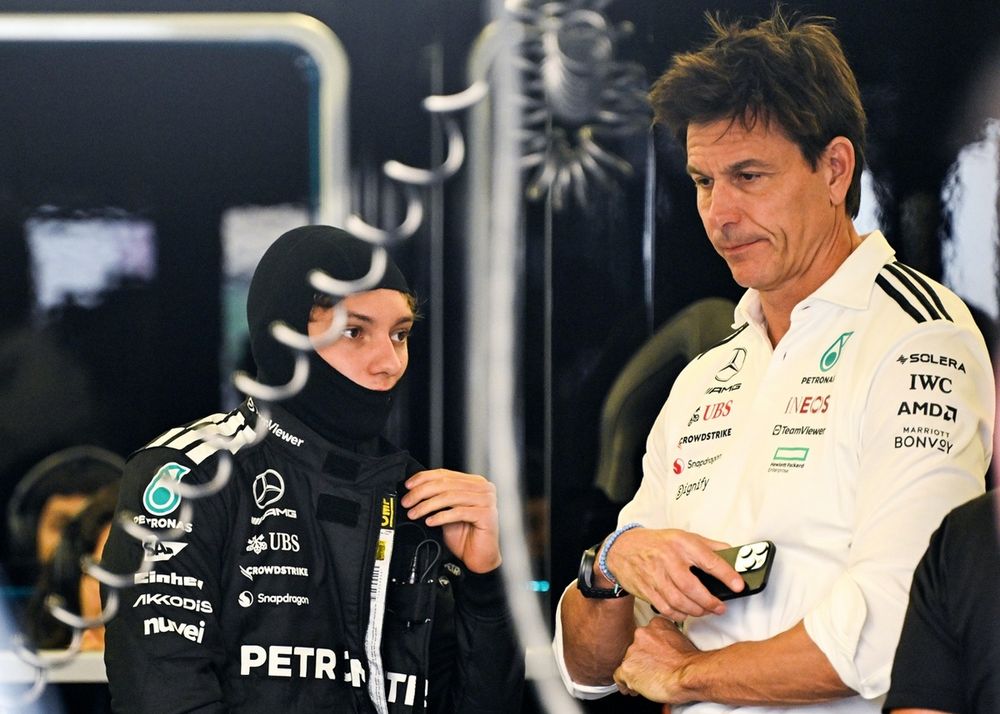
Toto Wolff, Mercedes, Andrea Kimi Antonelli, Mercedes
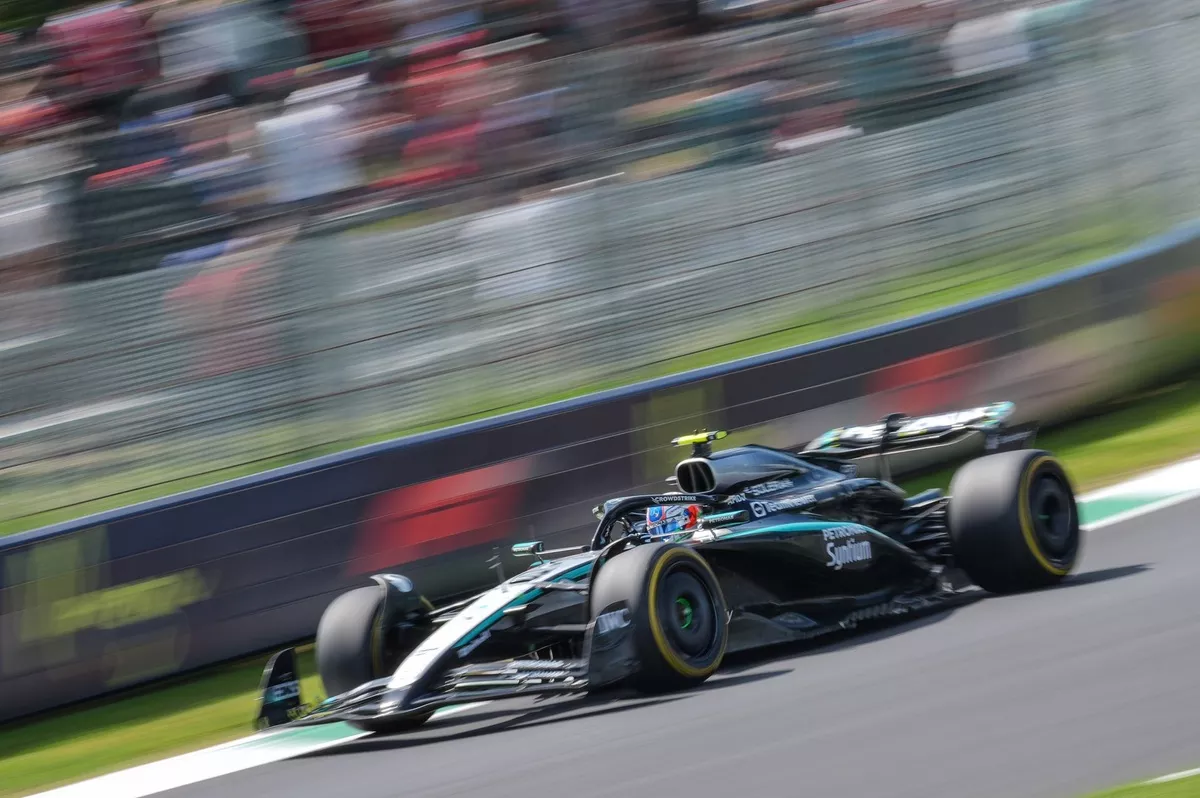
The Italian Grand Prix was meant to be special. Racing at Monza, in front of his home fans, wearing Mercedes colours — it should have been a highlight. Instead, it became the lowest point of Antonelli’s rookie F1 season.
An off-track moment in FP2 immediately put him on the back foot. Confidence never recovered. At the race start, he slipped backwards, struggled to find rhythm, and finished a disappointing ninth, behind Sauber rookie Gabriel Bortoleto.
The verdict from the Mercedes pit wall was brutally honest.
“Underwhelming,” Toto Wolff said afterward.
“You can’t put the car in the gravel bed and expect to be there. All of the race was underwhelming.”
Wolff’s words were sharp, but they came with reassurance. His belief in Antonelli’s long-term potential never wavered — but the Monza weekend could not be ignored.
The Post-Italian GP Meeting That Changed Everything
After Monza, Antonelli sat down with Toto Wolff and Peter Bonnington. There were no excuses, no sugar-coating. It was a direct conversation — exactly what the rookie needed.
“During that difficult period I lost my direction a little,” Antonelli admitted.
“There was a lot of frustration, and I started thinking too much about the final result.”
Instead of focusing on driving well, he had been putting enormous pressure on himself every time he got into the car. The meeting forced him to confront that reality head-on.
“They told me straight to my face what they thought of my performance, especially at Monza,” he explained.
“But it was constructive criticism, and I took it onboard in a positive way.”
That honesty became the catalyst for change.
A Mental Reset That Defined the Second Half of the Rookie F1 Season
Following the Italian GP meeting, Antonelli made a conscious decision: reset everything.
“I told myself that I had to reset and start from scratch,” he said.
“I went back to basics — driving well, doing the right things every time I got in the car.”
Instead of chasing results, he focused on process. Instead of overthinking, he trusted his instincts. Around the same time, Mercedes reverted to its previous rear suspension at Zandvoort — a technical change that immediately helped him feel more connected to the car.
But Antonelli is clear: the biggest shift wasn’t mechanical.
“The turning point was above all a mental reset.”
Results Follow as Confidence Slowly Returns
With pressure lifted and confidence rebuilding, Antonelli’s performances improved noticeably. He became calmer on the radio, more consistent in race pace, and sharper in key moments.
The standout results soon followed. Podium finishes in São Paulo and Las Vegas marked a remarkable turnaround from the struggles of mid-season. By the end of the year, Antonelli finished seventh in the drivers’ standings — an impressive result given the turbulence of his rookie campaign.
More importantly, he felt like himself again.
“Overcoming a difficult period gave me an extra mental boost,” he reflected.
“Putting those very tough months behind me was not a given.”
Why Monza May Prove the Most Valuable Weekend of All
Looking back, Antonelli doesn’t shy away from how painful Monza was — but he now sees it as necessary.
The Italian Grand Prix forced him to confront weakness, pressure, and self-doubt early in his Formula 1 career. It tested him mentally in a way junior categories never could.
“It was a tough but useful test,” he said.
That experience, he believes, will shape him far more than an easy rookie season ever could.
Lessons Learned for the Future
When asked what advice he would give his younger self before the opening race in Melbourne, Antonelli’s answer was revealing.
“Trust your instincts more,” he said.
“Trust your abilities, the qualities that allowed you to have this opportunity.”
He also highlighted the importance of mentality.
“Every time you get in the car, make sure you have a ‘killer’ mentality. When you’re on the track, face everything head on.”
It’s advice clearly shaped by everything he endured during his rookie F1 season — especially that defining post-Italian GP meeting.
A Strong Foundation for 2026 and Beyond
Andrea Kimi Antonelli’s rookie F1 season wasn’t perfect. It wasn’t smooth. And at times, it wasn’t pretty. But by confronting adversity early, learning from blunt criticism, and embracing a mental reset, he emerged stronger.
Mercedes didn’t just gain points and podiums — they gained a driver who now understands the mental demands of Formula 1.
If Monza marked the lowest point, it may also prove to be the moment that truly launched Antonelli’s Formula 1 career.


There are no comments yet. Be the first to comment!