


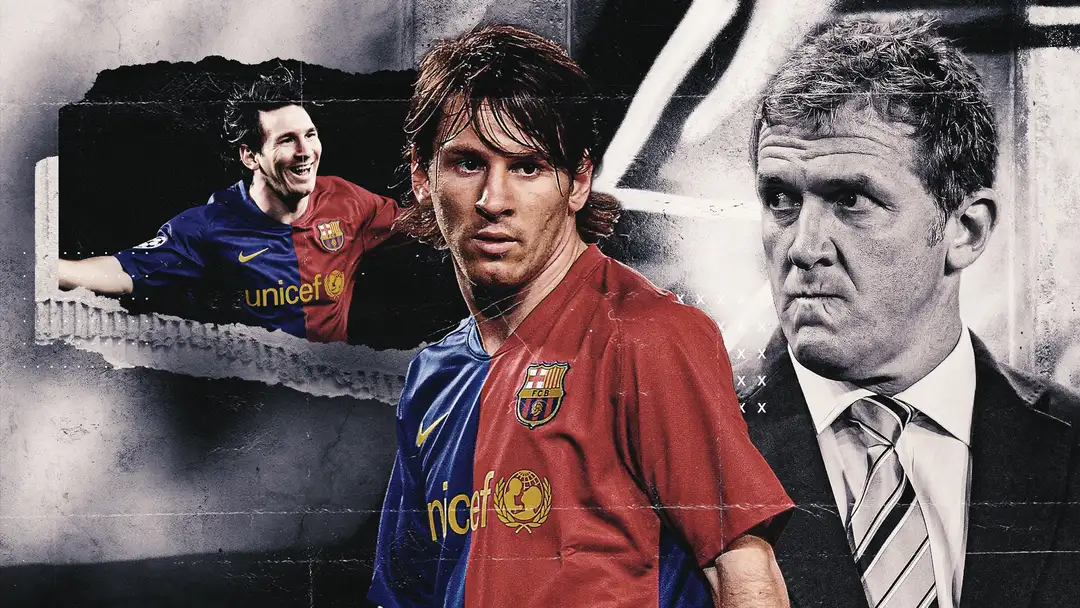
How Manchester City Nearly Signed Lionel Messi by Accident
Manchester City, Lionel Messi & a £70m Transfer That Was Never Meant to Happen
Manchester City and Lionel Messi: A Bid Born From Chaos
Football history is full of dramatic transfer sagas — faxes arriving at midnight, agents disappearing, presidents raging through corridors. But few stories feel as surreal as the moment Manchester City almost signed Lionel Messi by mistake. Not the mature Messi of global superstardom, but the 21-year-old genius still carving his way through La Liga. And the absurdity of it all? The bid wasn’t the result of a carefully plotted strategy. It came from a misunderstanding during a conference call, just days after City became the richest club in world football overnight.
Fifteen years on, the story reads like satire. A mid-table Premier League club, fresh from legal turmoil and dressing-room uncertainty, accidentally submitting a £70 million offer for the most talented player of his generation. Yet it truly happened — and the shockwaves inside Barcelona were real.
To understand how Manchester City reached that point, you have to go back to the very beginning of the Abu Dhabi project, when the club was dreaming big but operating with almost amateurish urgency.
Barcelona, Manchester City & the Guardiola Blueprint

Manchester City’s English manager Mark H
Long before Pep Guardiola arrived in Manchester, City were obsessed with what Barcelona had built. The football, the talent production, the structure — it was the model everyone wanted to copy. Slowly, methodically, City chased that blueprint: Ferran Soriano as CEO, Txiki Begiristain to run sporting decisions, and eventually Guardiola himself in 2016. All that was missing was Barcelona’s crown jewel: Lionel Messi.
Over the years, rumours around Guardiola trying to lure Messi to the Etihad became a constant background hum. His first season at City was overshadowed by reports that he wanted Messi, Neymar, Busquets — anyone who could re-create his Barcelona magic. Guardiola denied it all. Messi, meanwhile, stayed in Catalunya until that famous Burofax dropped in 2020 — a document that shook world football.
But despite the theatrical rumours of 2020 and the brief window in 2021 when Messi was pushed out of Barcelona, City never submitted a formal bid. The only time they actually tried, the attempt came in 2008 — by accident.
2008: Disaster on the Pitch, Chaos Off It

FBL-EUR-C1-MAN CITY-INTER
Manchester City entered the 2008-09 season looking nothing like a future European powerhouse. They’d finished the previous campaign by losing 8-1 to Middlesbrough. They opened the new season with a 4-2 defeat to Aston Villa. Their transfer business was uninspiring: Brazilian striker Jo, Tal Ben Haim, and a young defensive midfielder from Hamburg named Vincent Kompany, who cost £6m and had no idea he was walking into a revolution.
Behind the scenes, the club was crumbling. Owner Thaksin Shinawatra was fighting legal battles in Thailand, his assets frozen, the club on the brink of being unable to pay wages. Manager Mark Hughes was stunned when he arrived, expecting a club of ambition but finding a training ground, in his own words, “not fit for purpose”.
Then, on September 1, everything changed. Hughes was on a golf course when CEO Garry Cook called — the Abu Dhabi United Group had bought Manchester City.
Within hours, Sky News crews were following Hughes across the fairways. City had gone from a club begging for loans to a club with seemingly bottomless wealth. And the new owners wanted to make a statement — immediately. On deadline day.
The Bid Machine Goes Wild
What followed was something close to chaos. City staff started throwing out bids for almost every big name in world football. A marquee signing was the instruction. The identity didn’t seem to matter. Kaka. Berbatov. Torres. Villa. All names whispered, all offers sent. Most clubs didn’t take the calls seriously — the football world considered City a mid-table project with delusions of grandeur.
Mark Hughes later recalled:
“They had a load of bids out for pretty much every top player in the world. It was a crazy day — bids going out for Lionel Messi and all sorts!”
It sounded insane then. It sounds even more insane now. But buried inside the insanity was a misunderstanding that still makes the story extraordinary.
From “Messy” to Messi
The moment that sparked the accidental bid came during a conference call between Garry Cook, Thaksin’s advisor Pairoj Piempongsant, and COO Paul Aldridge. Piempongsant, lying on a chaise lounge, receiving a massage, heard the situation described as “messy, messy”. Somewhere in the noise, it was misinterpreted as: “We’ve got to get Messi.”
Cook later joked that he swore the story on his daughter’s eyesight — that’s how absurd it felt.
So City placed a £70m bid for Lionel Messi. At the time, the world record transfer fee was £50m for Zinedine Zidane. Messi, meanwhile, was third in Ballon d’Or voting and already Barcelona’s rising genius.
Barcelona’s response was disbelief. Premier League chairman Dave Richards phoned Cook the next morning and reportedly said:
“Seventy million pounds for Lionel Messi? Are you mad?”
At Barcelona, the shock was real mixed with irritation. Then-president Joan Laporta was furious at what he viewed as a disrespectful offer for a player he believed would become the greatest of all time.
A Club Learning How to Be Big
The accidental bid exposed a truth about early Manchester City — they had unimaginable money, but almost no structure to spend it wisely. It was ambition without architecture. Dreams without discipline. Within months, City were attempting even bigger moves. They tried to sign Kaka in January 2009, offering Milan £91m and the Brazilian star £500,000 per week. The bid failed. Fans bought tattoos. The club bought Nigel de Jong.
In the end, Garry Cook’s era ended in disgrace, and City began to reshape themselves as a serious operation. Soriano arrived. Begiristain followed. Four years later — Guardiola.
Slowly, the City story matured. They stopped throwing money at every name in sight. They planned their squad years in advance. They built a football identity rather than hunting for one.
And ironically, when Messi actually did leave Barcelona in 2021 — pushed out by a financial crisis Laporta couldn’t spin — Manchester City barely blinked. They had just signed Jack Grealish for £100m and were already building toward Erling Haaland, the next generational star.
Looking Back at the £70m Misunderstanding
Today, the idea of Manchester City accidentally bidding for Lionel Messi sounds impossible. The club that now wins league titles casually, the club whose structure is studied by rivals, once submitted a world record transfer bid because someone misheard the word “messy”.
But that’s the magic of football history. The biggest clubs often begin as chaos. The clean machine we recognise today was, in its infancy, a messy experiment full of misunderstanding and ambition.
And somewhere, in the mad scramble of deadline day in 2008, Manchester City nearly signed Lionel Messi — without even meaning to.


There are no comments yet. Be the first to comment!