


Is the Australian Open Still the “Happy Slam”? Inside Tennis’ Most Joyful Grand Slam at a Crossroads
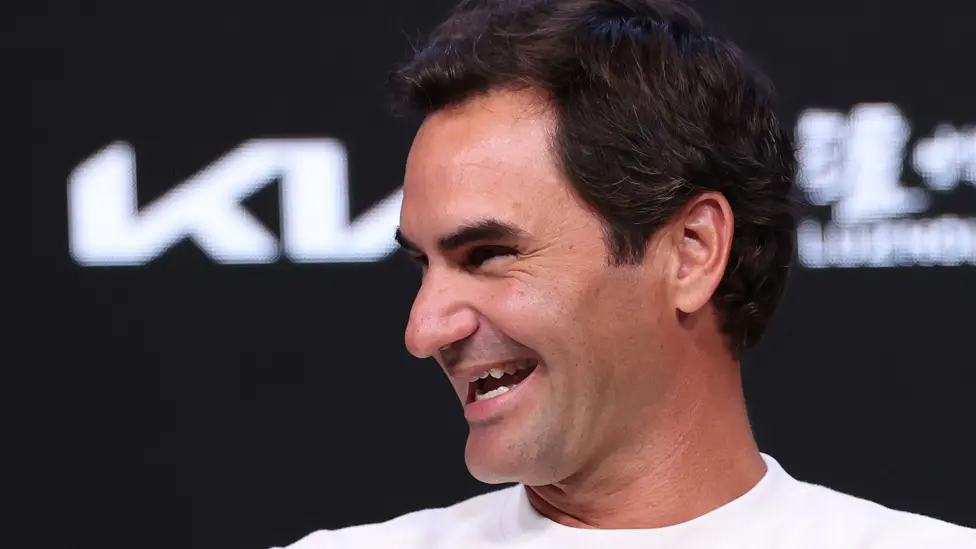
For more than two decades, the Australian Open has proudly worn the nickname “Happy Slam”, a label bestowed by Roger Federer that gradually became part of the tournament’s DNA. It was shorthand for something players and fans alike felt the moment they arrived in Melbourne: sunshine after winter, relaxed vibes, smiling volunteers, and an atmosphere that felt less rigid than Wimbledon and less brutal than the US Open.
But as the Australian Open continues to grow at a breathtaking pace, a serious question is starting to surface: is the Happy Slam still happy? Or has its own success begun to strain the very qualities that once made it special?
How the Australian Open Became the “Happy Slam”

Peggy Gou plays a set at Glastonbury in 2024
The origins of the “Happy Slam” nickname are rooted in contrast. For years, the Australian Open was considered the poor relation of the four majors. Long travel distances, limited prize money, and a sense that it sat on the fringes of the tennis world meant many top players skipped it altogether.
That perception changed dramatically in the mid-2000s. Under the leadership of Craig Tiley, Tennis Australia embarked on an ambitious transformation project. The aim was simple but bold: make the Australian Open the most player-friendly, fan-friendly Grand Slam on the planet.
Players arriving in Melbourne were greeted with summer weather, first-class facilities, generous travel grants and a sense of celebration rather than obligation. Federer captured it perfectly when he described the tournament as “happy”, and the label stuck.
Crowds grew, prize money increased, and the Australian Open slowly rebranded itself as tennis’ most welcoming major — the place where the season truly begins.
Festivalisation of the Australian Open: Tennis Meets Entertainment
In recent years, the Australian Open has pushed even further, embracing what Tiley openly calls the “festivalisation” of tennis. The tournament is no longer just a sporting event; it is a three-week cultural spectacle.
Innovations like the One Point Slam, celebrity exhibitions, and this year’s opening ceremony — which doubled as an intimate evening with Federer — have brought fresh attention to the sport. Novak Djokovic and Aryna Sabalenka hitting warm-up sets on Rod Laver Arena before the main draw even began felt unthinkable a decade ago.
Music has become central to the identity too. Global stars such as Peggy Gou and The Kid Laroi headlined AO Live, playing to 10,000 fans inside John Cain Arena. Over in Grand Slam Oval, booming sound systems and luxury pop-up bars created an atmosphere closer to Ibiza than Centre Court.
It is this blend of tennis, music, food and lifestyle that has earned the Australian Open comparisons with “the Glastonbury of tennis” — a place where people come not just to watch matches, but to be seen, socialise and soak up the experience.
Record Crowds, Growing Pains
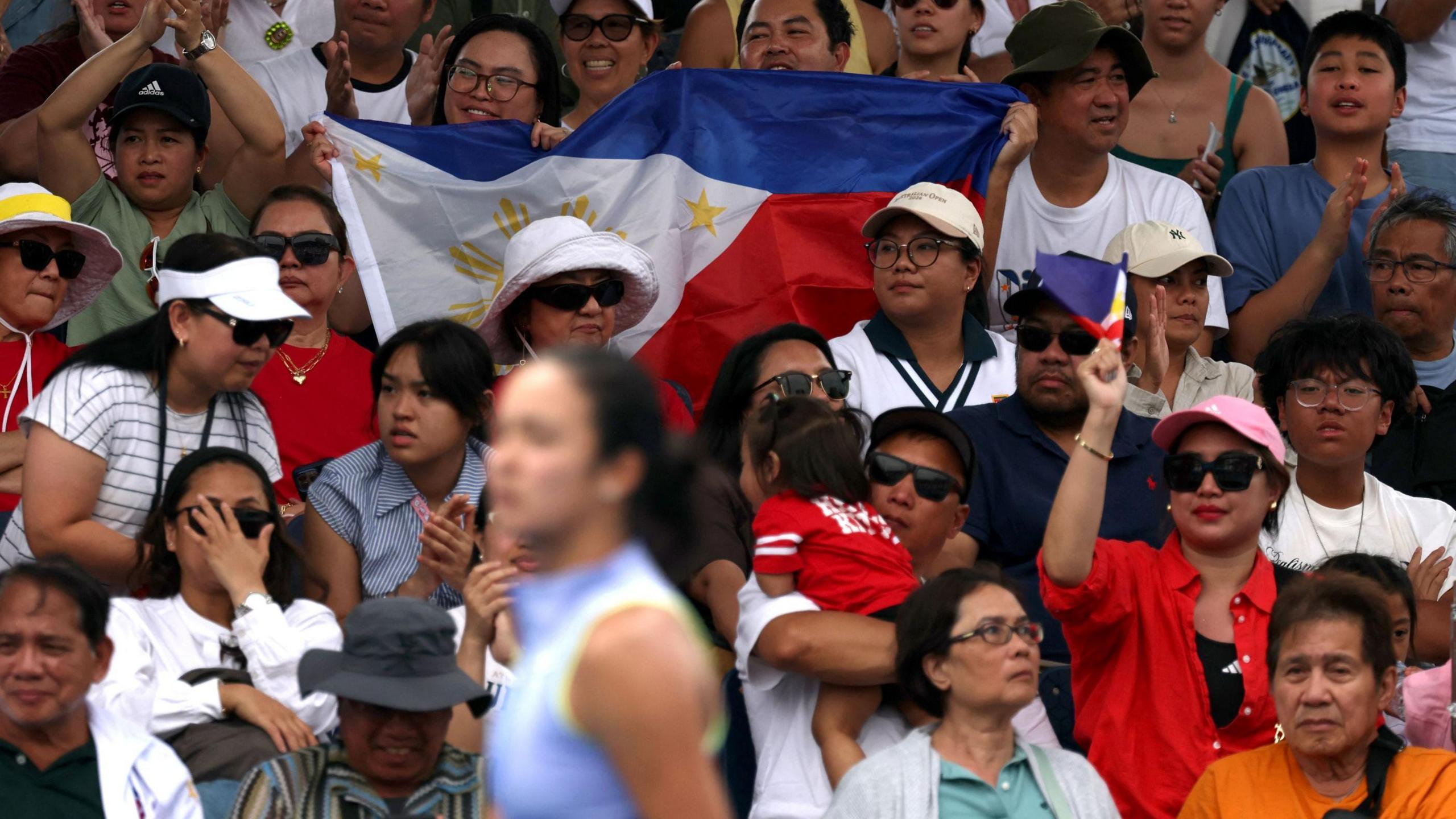
Filipino fans cheer on Alexandra Eala at Melbourne Park
The numbers are staggering. Nearly 1.4 million people passed through the gates over the three weeks this year — a 16% increase on last season. On some days, crowds exceeded 100,000, with grounds passes selling fast even at A$69.
Melbourne Park’s central location plays a huge role. Unlike Wimbledon, Roland Garros or Flushing Meadows, the Australian Open sits right in the heart of the city, stretching from Flinders Street Station towards the Melbourne Cricket Ground and Richmond.
Yet with popularity comes pressure.
Outer courts were often packed several rows deep, and queues to watch emerging stars — such as Filipino favourite Alexandra Eala — wrapped around walkways. Long-time fans complained that too many people were attending for the vibe rather than the tennis.
As one seasoned journalist put it, Melbourne Park may feel like “its own suburb”, but space is still at a premium. The decision to spread the first round over three days has also reduced the number of matches available to grounds pass holders, changing the experience for traditional fans.
Are Players Still Smiling at the Happy Slam?
For all the debate around overcrowding, the Australian Open still bends over backwards to please its most important stakeholders: the players.
Facilities remain the envy of the tennis world. Players enjoy access to racquet labs, nutritionists, hydration experts, plunge pools, and a full medical team that includes specialists rarely found at sporting events. There is even an on-site bank, beauty salon and laundry service.
Prize money has also reached record levels, with a £55 million pot on offer this year.
Still, cracks are appearing. A group of leading players are increasingly vocal about wanting a greater share of the tournament’s growing revenues, arguing that while the Australian Open expands commercially, the distribution down the rankings has not kept pace.
There has also been pushback against intrusive behind-the-scenes cameras. While Tennis Australia insists it is about “telling player stories” and growing the sport, some players feel their privacy is being eroded in the name of content.
Craig Tiley’s Vision — And His Uncertain Future
No figure looms larger over this debate than Craig Tiley himself. The architect of the Australian Open’s modern identity, Tiley has never been afraid to challenge tradition. His recent suggestion of introducing five-set women’s matches from the quarter-finals onwards raised eyebrows across the sport.
He has also floated futuristic ideas such as glass courts and immersive domes with 270-degree screens — concepts that underline how far the Australian Open is willing to push boundaries.
But perhaps the biggest uncertainty is whether Tiley will even be there to oversee the next phase. Reports suggest he may soon depart for a senior role with the United States Tennis Association, leaving the Australian Open without the man who drove its transformation.
Is the Australian Open Still the Happy Slam?
So, does the nickname still fit?
In many ways, yes. Players still talk about the warmth of Melbourne, the quality of facilities and the excitement of starting the season in a place that feels alive. Fans continue to flock in record numbers, and the tournament remains innovative, bold and unafraid to evolve.
Yet the balance is delicate. As the Australian Open grows into a three-week entertainment juggernaut, it risks drifting away from the simplicity that once defined it. Too much spectacle, too little space, and too many distractions could dilute the core product: tennis.
The challenge for the Australian Open now is not how to grow — it has mastered that — but how to protect the happiness that made it special in the first place. Whether it can do that, with or without Craig Tiley, will define the next chapter of the Happy Slam.


There are no comments yet. Be the first to comment!