



































‘It Was a Big Mess’ – Arteta Reveals the Technique That Sparked Arsenal’s Turnaround
Arteta’s Strange Technique for First Arsenal Meeting Revealed
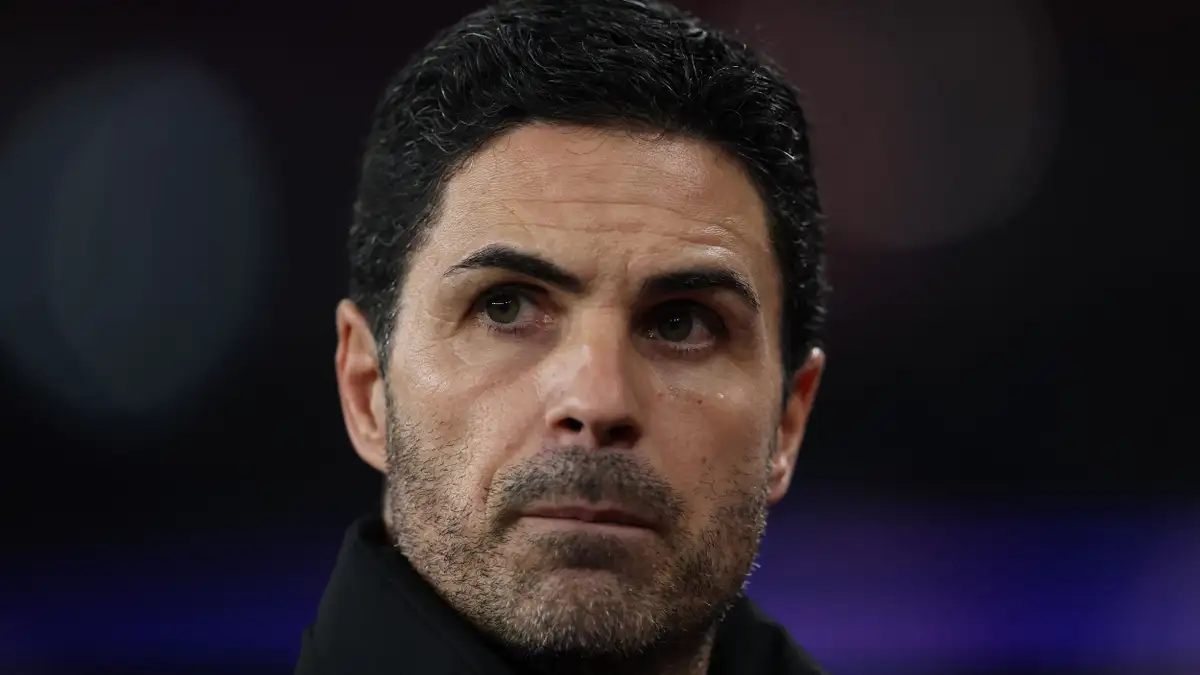
When Mikel Arteta first walked back into Arsenal in December 2019, the club was drifting through uncertain waters. The atmosphere felt heavy, the standards diluted, and belief both inside and outside the training ground had visibly declined. Few could have predicted that six years later, Arsenal would sit near the summit of English football again. Yet, the seeds of that resurgence were planted during Arteta’s very first encounter with his new squad – a meeting that players still refer to as the moment the reset truly began.
Speaking recently to Sky Sports, Arteta gave rare insight into what unfolded that day, revealing how he used an unusual visual metaphor involving a deliberately messy room to underline how outsiders viewed the club. For many players, it was a jarring but necessary wake-up call.
‘It Looked a Big Mess’
Arteta did not begin his Arsenal tenure with a speech, a tactical presentation, or motivational slides. Instead, he changed the physical space. Chairs were moved, objects were scattered on the floor, and the room was left in complete disorder. No symmetry, no structure—just chaos.
“And what I did is I put the room in a really awkward place. A lot of things on the floor. It looked a big mess,” Arteta recalled.
That visual was deliberate. For him, the mess represented perception. Not necessarily the club’s core identity—because Arteta has always insisted that Arsenal’s culture, foundation, and values were intact—but rather what had become visible from the outside. There was confusion, inconsistency on the pitch, questionable professionalism, and a leadership void. Most importantly, standards had slipped.
“So, I said: ‘This is how people describe us at the moment. Do you want me to help you clean it, organise it, and raise it again to the level this club deserves?’”
It was far from an ordinary managerial first meeting. But it worked.
A Clear Message: Accept the Help, Lift the Standards
Arteta arrived already respected among the players. Many of them had played with him, known him as captain, admired his leadership and intelligence. But returning as manager required instant authority. The club needed someone who would draw a line in the sand, and Arteta used symbolism to make that point without confrontation.
He did not accuse individuals, nor analyse failures from previous months. Instead, he posed a simple question:
Will you allow me to raise the standards—or not?
That invitation set up a contract. If they committed, he would transform them. If they did not, they would fall behind.
Behind the gesture was a deeper philosophy Arteta later implemented: standards cannot be demanded verbally—they must be lived, seen, felt.
Culture Comes Before Recruitment, Results, or Tactics
Inside the club, those early months were turbulent. Arteta was decisive. Popular players, high-profile names, big earners—all found themselves facing new expectations.
Pierre-Emerick Aubameyang was removed from captaincy. Mesut Özil faded out. Alexandre Lacazette’s contribution diminished. Established stars were replaced with younger, hungrier talent. It was not personal—it was structural. Arsenal needed a culture of accountability.
In parallel, Arteta and sporting director Edu shifted the recruitment model. Younger players, longer contracts, strong characters, not just skilled footballers. Bukayo Saka, Emile Smith Rowe and Eddie Nketiah did not simply earn promotion—Arteta built a pathway for them. Suddenly, Hale End was no longer a facility—it became the backbone of the senior squad.
Why the Mess Metaphor Worked
Leadership consultants often say culture change requires shock. Not emotional shock—but mental disruption. When people physically see disorder, they want to clean it. When players saw the mess, the reaction was subconscious. They wanted clarity, structure, purpose.
Arteta was not there to entertain them about what Arsenal used to be. He was there to rebuild what Arsenal should become again.
And the results, though not instant, followed sequentially:
-
FA Cup victory in his first season
-
European qualification restored
-
Two consecutive title-challenging seasons
-
Arsenal now widely considered among Europe’s elite squads
The “mess” has since turned into coherence. Tactical identity, defensive stability, willingness to press, and renewed attacking threat are now embedded trademarks.
The Turning Point Was Cultural, Not Tactical
What made that meeting so significant was its simplicity. Managers often begin by outlining tactical systems—phase of play models, positional rotations, build-up shapes. Arteta instead talked about belonging.
“The enjoyment that deserves to be part of this football club,” he emphasised.
Enjoyment—yet standards. Luxury—yet discipline. He described Arsenal like a home worth restoring. Instead of criticising the players, he invited them into that project.
And crucially—they accepted.
Arteta’s Project Now Near Its Peak

Burnley v Arsenal – Premier League
Today’s Arsenal are built differently. The defensive line is among the strongest in Europe. Youthful stars like Saka have become international leaders. Arsenal are not chasing identity—they have one.
And though the Premier League title has narrowly escaped them, the club is closer than at any point since the Invincibles.
Inside London Colney, the mood is not celebratory—it is focused. The players understand that today’s Arsenal is not yet complete.
Reflecting Ahead of the Transfer Window
As the January window approaches, Arteta has already hinted at potential squad movement.
“We’ve built a squad that we believe is the best one to give us the possibility to do it. Is it where I want it to be? No, because of the injuries,” he admitted.
While Arsenal continue to monitor reinforcements, the goal is not expansion—it is optimisation. Arteta wants depth that preserves intensity. He wants fit players, available players, adaptable players.
“We always have to be prepared,” he added. “If we can improve or protect the squad, we need to be open.”
Those are the words of a manager thinking beyond the immediate. Not simply chasing a trophy—designing a structure capable of sustaining them.
Where This Story Goes Next
Managers rarely reveal the details of first-day moments. But Arteta’s willingness to reflect on that “big mess” shows its importance.
Looking back now, it feels symbolic:
-
The mess became organisation
-
The doubt became belief
-
Uncertainty became identity
Six years on, Arsenal are no longer perceived as disorganised or directionless. They are structured, ambitious, united—and still evolving.
Whether that messy room was the spark that catalysed everything will forever remain partly speculative. But its message has aged perfectly.
The standards have been restored.
And the journey—perhaps the most serious title pursuit since 2004—still has chapters to be written.


There are no comments yet. Be the first to comment!