




























































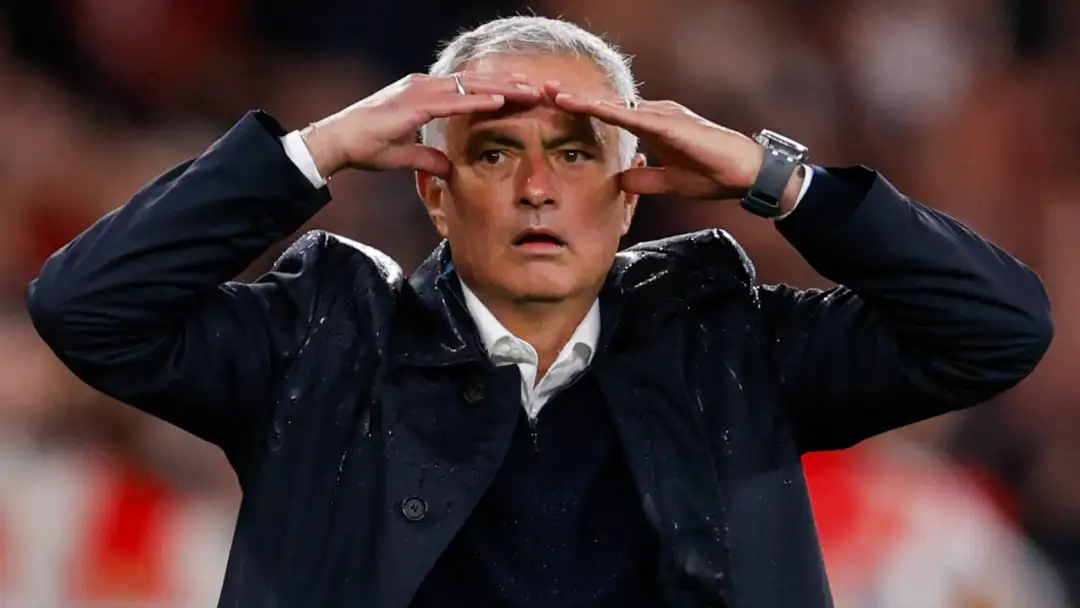
Jose Mourinho Erupts After Benfica Ban as “Tragicomedy” Row Overshadows Porto Clash
Football has never lacked drama when Jose Mourinho is involved, but even by his own colourful standards, the latest controversy surrounding the Benfica manager feels particularly theatrical. A fiery reunion with FC Porto, a late comeback, accusations flying across the touchline, and a suspension that Mourinho insists was “based on a lie” have combined to produce yet another chapter in the long-running saga of one of football’s most compelling figures.
The Portuguese coach, never one to shy away from confrontation or controversy, described the punishment handed down to him as a “tragicomedy,” arguing that the decision misunderstood both his actions and intentions during an emotionally charged night in Liga Portugal.
For supporters, critics, and neutrals alike, the episode has reignited debate not only about Mourinho himself but also about refereeing decisions, disciplinary consistency, and the thin line between passion and punishment in modern football.
Jose Mourinho and Benfica at the Centre of a ‘Tragicomedy’ Dispute
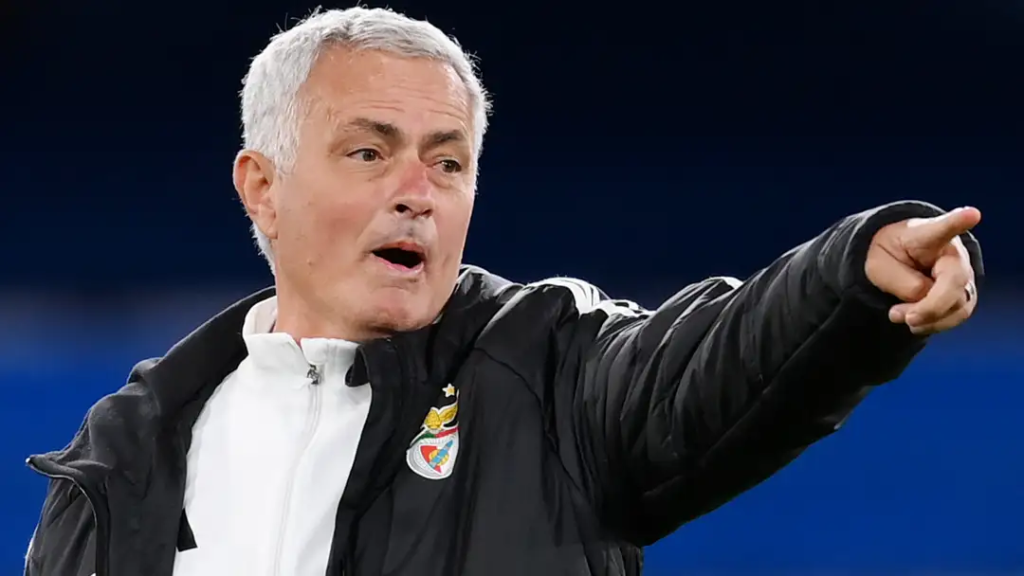
The incident unfolded during a gripping 2–2 draw between Benfica and FC Porto — a fixture already loaded with history and personal meaning for Mourinho, who previously built part of his legendary reputation at Porto before conquering Europe.
The match itself was a classic Portuguese heavyweight clash. Benfica found themselves two goals down before staging a dramatic late comeback, equalising in the 88th minute to rescue a point that felt almost like a victory.
But the football soon became secondary.
Late in the match, Mourinho was shown the 15th red card of his managerial career after officials accused him of kicking a ball toward the Porto bench — an action interpreted as unsporting conduct. The dismissal immediately sparked confusion and anger from the Benfica technical area, with Mourinho visibly protesting as he left the touchline.
Speaking afterward, the veteran coach firmly rejected the accusation.
According to Mourinho, the gesture had nothing to do with provoking the opposition. Instead, he claimed it was a familiar celebratory act intended for supporters inside the Estádio da Luz.
“The referee says I kicked the ball towards the Porto bench, which is completely false,” Mourinho explained. “I have done this many times — after we score, the ball goes into the stands for the fans.”
It was, he insisted, a misunderstanding rather than misconduct.
Yet the disciplinary consequences quickly escalated.
The Porto Flashpoint and Heated Exchange with Lucho Gonzalez
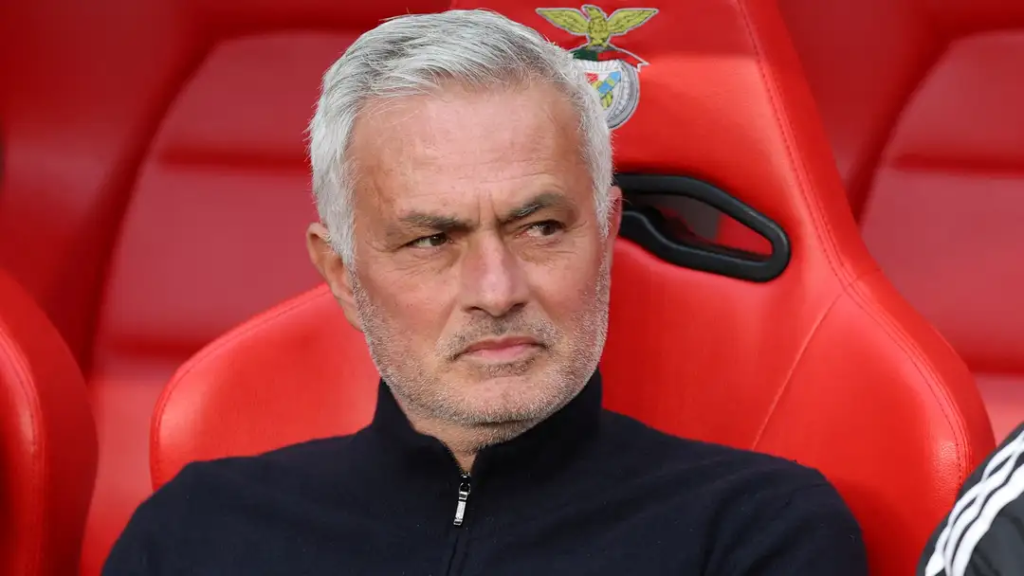
Tensions during the match were not limited to the alleged ball incident. Mourinho also became embroiled in a heated confrontation with Porto assistant coach Lucho Gonzalez, a former player well respected in Argentine and Portuguese football circles.
The exchange reportedly turned personal.
Mourinho later claimed he had been repeatedly labelled a “traitor” by Gonzalez — a reference likely tied to his deep historical links with Porto, where he achieved iconic success earlier in his coaching career.
The confrontation intensified emotions already running high in a fiercely contested match. Officials concluded Mourinho had played a role in escalating the situation, leading to additional disciplinary action.
The punishment was twofold:
- A one-match ban following the red card.
- An 11-day suspension, effectively adding another game, related to the altercation with Gonzalez.
For Mourinho, however, the issue was not merely about missing matches but about principle.
He argued the decision reflected an inaccurate narrative of events.
“I know when expulsions are right and when they are wrong,” he said. “This one is a comedy. The punishment is a tragicomedy.”
The phrasing was classic Mourinho — sharp, theatrical, and deliberately provocative.
Back on the Bench: Mourinho Returns with Defiance
Despite the suspension, Mourinho returned to the Benfica bench sooner than many expected.
He missed a dramatic 2–1 victory over Arouca, a chaotic encounter decided by a 96th-minute winner and featuring multiple late red cards. Yet once more than 11 days had passed since the Porto clash, Mourinho chose not to voluntarily sit out another fixture while awaiting further clarity.
His reasoning revealed both defiance and calculation.
Mourinho stated that he and Benfica wanted to believe in justice within Portuguese football’s disciplinary system. Sitting out additional matches, he argued, would have meant accepting a punishment he fundamentally believed to be unfair.
“Why should I be investigated?” he asked reporters. “Not being on the bench in Arouca was unfair, and not being there again would be a double injustice.”
It was a stance consistent with Mourinho’s career-long approach: confront decisions publicly, defend his perspective relentlessly, and transform controversy into motivation for his team.
Whether admired or criticised, Mourinho has always controlled the narrative as much as the tactics board.
A Career Defined by Conflict and Charisma
The incident also adds another layer to Mourinho’s remarkable managerial journey. Since famously introducing himself as “The Special One” during his first spell at Chelsea in 2004, he has built a career defined as much by personality as by trophies.
Champions League titles, domestic triumphs across multiple leagues, and unforgettable rivalries have shaped his legacy. Yet touchline confrontations and disciplinary battles have become recurring themes.
Even Mourinho himself acknowledged his reputation.
“I probably hold almost the world record for expulsions as a coach,” he joked, before insisting this particular case crossed a line.
For supporters, such moments reinforce the paradox at the heart of Mourinho’s appeal. His intensity often invites controversy, but it also fuels the emotional connection players and fans feel toward his teams.
At Benfica, that emotional energy appears to be resonating. The dramatic comeback against Porto and the last-gasp victory over Arouca suggest a squad willing to fight until the final whistle — a hallmark of Mourinho-managed sides throughout his career.
The Wider Debate: Passion vs Discipline in Modern Football
Beyond Mourinho himself, the episode raises broader questions about how modern football interprets behaviour on the touchline.
Managers are increasingly scrutinised, with cameras capturing every reaction and governing bodies enforcing stricter conduct standards. Actions once dismissed as emotional spontaneity are now analysed frame by frame.
Supporters remain divided.
Some argue stricter discipline protects respect for officials and opponents. Others believe football risks losing authenticity if passion is overly policed.
Mourinho, unsurprisingly, falls firmly into the latter camp. His argument is not merely about innocence but about context — that football remains an emotional game where gestures can be misinterpreted.
Whether authorities revisit the case or allow it to fade into memory remains unclear. Mourinho himself hinted that further sanctions could still arrive, warning that “the truth isn’t always put on the table.”
Another Chapter in the Mourinho Story
If history offers any guidance, this controversy will not define Mourinho’s Benfica tenure — but it will certainly become part of its mythology.
The Portuguese coach has built a career on moments like these: conflict followed by defiance, criticism followed by results. Every confrontation seems to reinforce his siege mentality, a dynamic that often galvanises his teams.
For now, Mourinho is back on the bench, back in the spotlight, and once again at the centre of football’s conversation.
And as long as he remains in the game, drama will never be far away.


There are no comments yet. Be the first to comment!