






































































Leah Williamson Is Back! Arsenal & Lionesses Star Makes Long-Awaited Return from Injury
Leah Williamson Returns for Arsenal After Euro 2025 Injury Absence
Sometimes football moments don’t need fireworks. Sometimes they arrive quietly, wrapped in relief, applause and a sense that something important has been restored. Leah Williamson is back, and for Arsenal, for England’s Lionesses, and for the women’s game more broadly, that matters more than any single result.
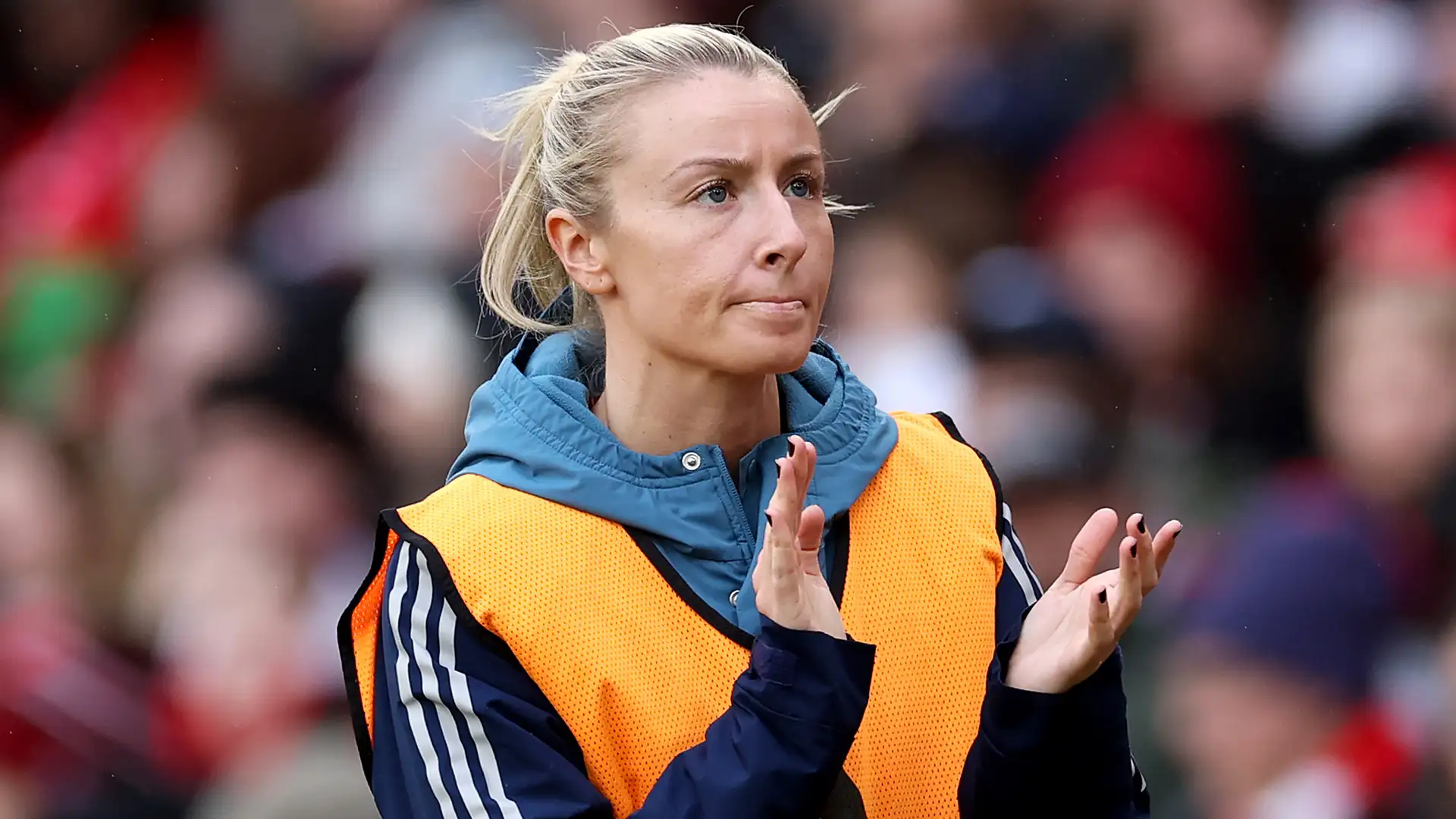
On Saturday afternoon at Walton Hall Park, four months after her last competitive appearance, the Arsenal captain and Lionesses star stepped back onto the pitch. Introduced late in a hard-fought 3–1 Women’s Super League win over Everton, Williamson’s return marked the end of a long, frustrating injury layoff that began on the biggest stage of all: the Euro 2025 final.
It was only ten minutes. No crunching tackles, no sweeping diagonals, no captain’s armband reclaiming ceremony. And yet, it felt significant. Sometimes, just being back is enough.
From Euro 2025 Glory to Sudden Setback
Williamson’s absence has its roots in a summer of triumph. As captain of England, she once again lifted the European Championship trophy, guiding the Lionesses to a second consecutive Euros title after a dramatic final against Spain. It was another defining chapter in her career, one that cemented her status as a leader and a symbol of this generation.
But the celebrations masked a problem.
During that final, Williamson picked up a knee issue — not dramatic enough to stop her finishing the match, but serious enough to linger. In the weeks that followed, swelling in her right knee became a concern. Arsenal took no risks. By late August, the decision was made for a minor “clean-up” procedure, ruling her out of pre-season and the opening stretch of the campaign.
For a player who thrives on rhythm and responsibility, it was a cruel blow.
Rehab, Patience and a Long Road Back
Williamson missed Arsenal’s pre-season training camp in Germany, watching from afar as a refreshed squad laid foundations for the new season. While the surgery itself was relatively small, the recovery required care and patience — especially for a defender whose game relies on timing, confidence and trust in her body.
Head coach Renee Slegers remained cautious throughout the process, resisting any temptation to rush her captain back. Speaking last week, Slegers struck a hopeful but measured tone.
“She’s progressing well,” Slegers said. “She did her first session on pitch yesterday, which was good. Exact timeline, we’ll have to see day by day, week by week, but we hope to see her back before Christmas.”
That hope turned into reality sooner than expected.
Arsenal Welcome Back Their Captain
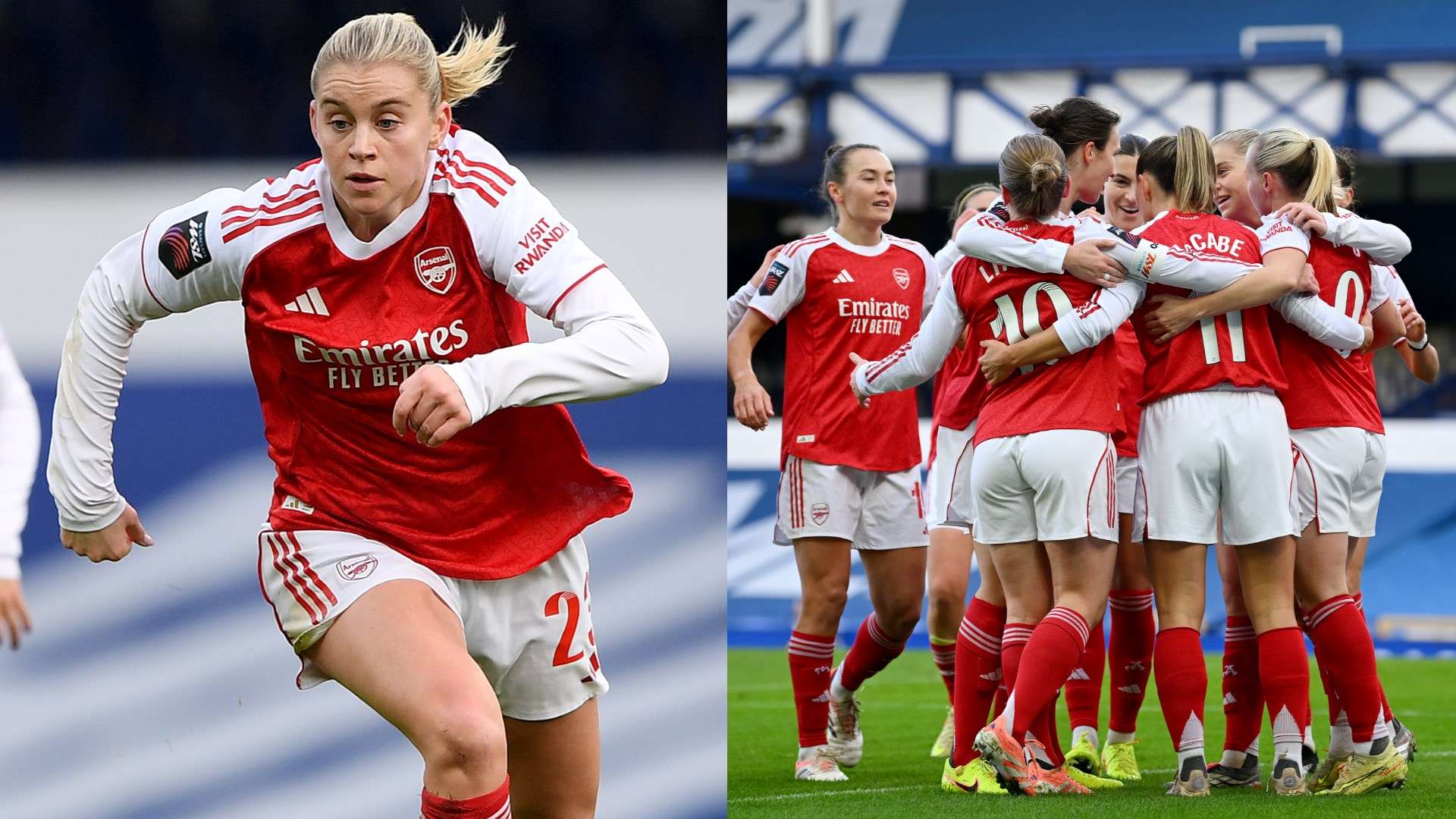
Arsenal Everton Russo
Arsenal’s trip to Everton was lively, tense and ultimately successful. Katie McCabe opened the scoring with a crisp half-volley, only for Honoka Hayashi to respond with a stunning long-range equaliser. Alessia Russo, marking her 100th WSL appearance, restored the Gunners’ lead before substitute Olivia Smith sealed the win late on.
But amid the goals and league implications, the loudest reaction of the afternoon came in the 80th minute.
Leah Williamson was introduced from the bench.
She received a warm, genuine reception — not just polite applause, but recognition. Teammates sought her voice immediately. The back line adjusted instinctively. And most importantly, she came through her cameo unscathed.
For Arsenal, it was more than symbolic. It was reassurance.
Why Leah Williamson’s Return Matters So Much
Williamson is not just another defender returning from injury. She is Arsenal’s captain, England’s leader, and one of the most influential figures in the women’s game. Her absence has been felt in subtle ways: in organisation, communication, and composure during difficult spells.
While Arsenal coped admirably without her, there is no replacing what she brings. Calm under pressure. Authority without arrogance. A sense that everything is under control, even when it isn’t.
Her return gives Slegers options — not just tactically, but emotionally. Leadership matters, especially as the season enters a demanding phase.
League Context and Pressure Building
The win at Everton lifted Arsenal above defending champions Chelsea into second place, at least temporarily. However, the table remains tight. Both Chelsea and Manchester United could reclaim their positions depending on results elsewhere, underlining just how competitive the WSL has become.
In that context, having Williamson back — even gradually — feels like a timely boost. Arsenal are balancing domestic ambitions with European commitments, and squad depth, experience and resilience will be crucial.
No one expects Williamson to play every minute immediately. But having her available again changes the tone.
Williamson on the Growth of the Women’s Game
During her months on the sidelines, Williamson has remained a thoughtful voice on the evolution of women’s football. Speaking to The New Statesman, she reflected on how dramatically things have changed since her early Arsenal days.
“We started with a very small community of 200 or 300 spectators at Meadow Park,” she said. “We don’t want to lose that. But the demands of the game are also increasing.”
Now, Arsenal Women regularly draw tens of thousands at the Emirates Stadium. Players have become public figures, role models, and — as Williamson puts it — “household names.”
“That’s a strength and a weakness,” she admitted. “Every player has to deal with it.”
Her comments highlight a tension at the heart of the modern women’s game: growth brings opportunity, but also pressure, exposure and distance from fans. Williamson understands both sides better than most.
Life at the Emirates: A Different World
Williamson also touched on how playing at the Emirates has changed the player-fan dynamic.
“It’s safer in general to be at the Emirates,” she explained. “But you notice a difference. You’re more accessible. It’s a five-metre difference between the players and the fans.”
In smaller grounds, players hear everything — encouragement, frustration, even personal remarks. In big stadiums, the connection is broader, louder, but less intimate. Neither is better or worse. They are simply different realities of a growing sport.
Williamson’s perspective reflects maturity, not nostalgia.
What Comes Next for Leah Williamson and Arsenal?
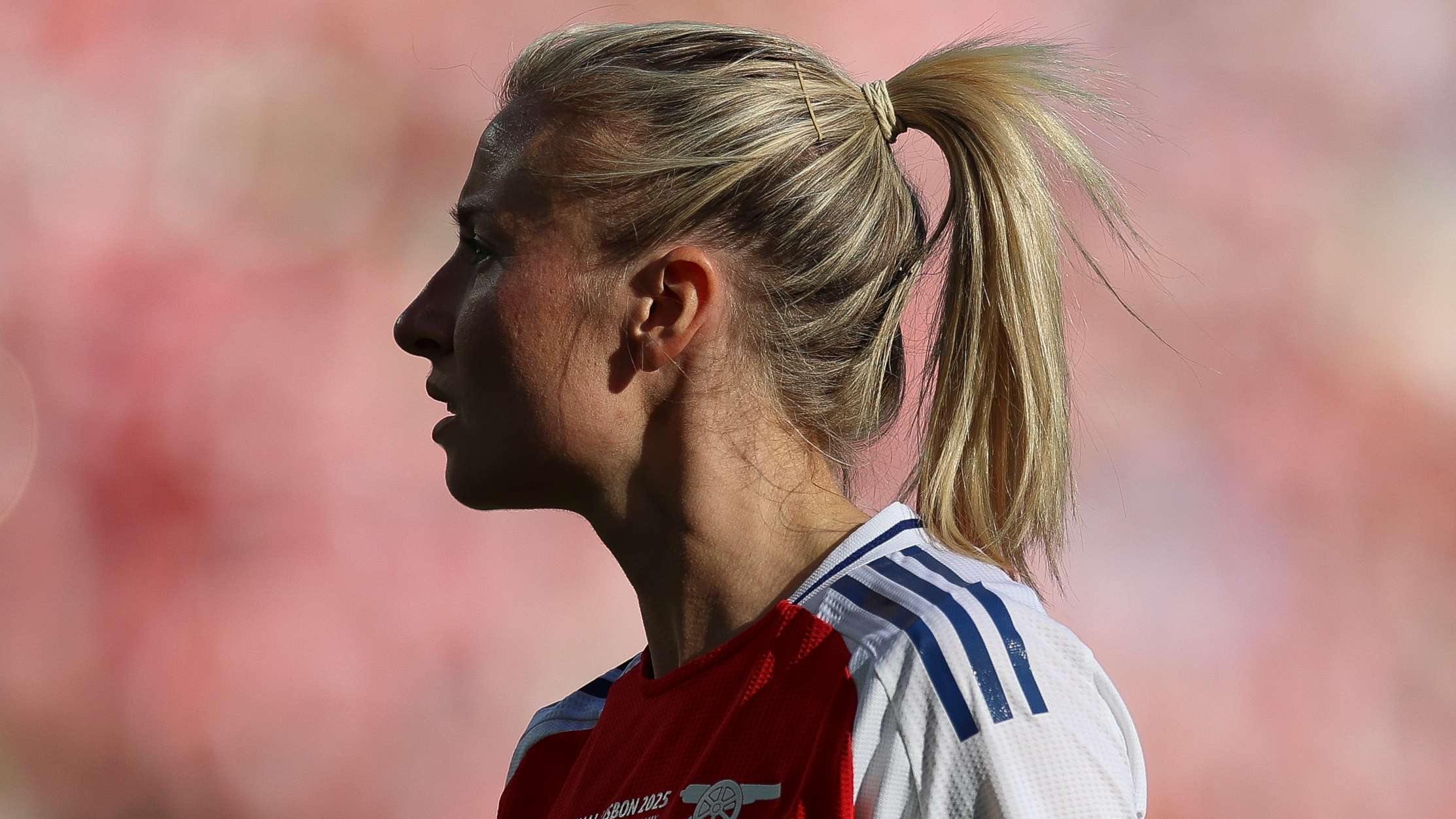
Arsenal WFC v FC Barcelona – UEFA Women’s Champions League Final
Before the WSL pauses for the winter break, Arsenal have two fixtures remaining. First, a Champions League trip to OH Leuven, with qualification for the quarter-final play-offs already secured as the Gunners look to defend their European crown.
Then comes a Subway Women’s League Cup tie away at Crystal Palace, offering another opportunity for rotation and minutes.
How much Williamson features remains to be seen. Slegers will almost certainly manage her carefully, balancing caution with the need to reintegrate a key leader.
For Williamson herself, the goal is simple: rhythm, confidence and trust in her knee.
A Quiet Return, A Big Moment
Leah Williamson’s comeback did not come with headlines written in goals or last-ditch tackles. It came with ten steady minutes, a warm reception, and the knowledge that she is once again a footballer, not just a rehab story.
In a season full of noise, speculation and pressure, her return felt grounding. Arsenal have their captain back. England have their leader back in contention. And the women’s game has one of its most important voices back where she belongs — on the pitch.
Leah Williamson is back. And this time, it feels like the start of something again.


There are no comments yet. Be the first to comment!