


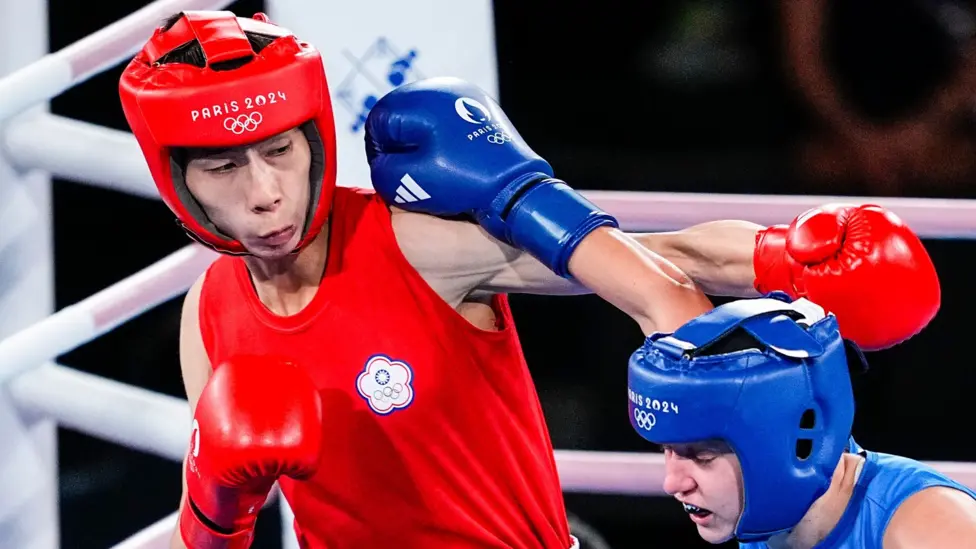
Lin Yu-ting Cleared for Boxing Return After Sex Test Decision Ends Long Eligibility Saga
Olympic Champion Lin Yu-ting Cleared for Boxing Return Following World Boxing Sex Test Review
For nearly two years, Lin Yu-ting’s career existed in a strange limbo — suspended somewhere between Olympic glory and regulatory uncertainty. Now, the reigning Olympic champion finally has clarity. After completing World Boxing’s newly introduced sex test and appeal process, Lin has officially been cleared for a boxing return, bringing an emotional chapter in international sport to a close.
The decision marks more than just eligibility confirmation for one athlete. It represents a defining moment for Olympic boxing’s evolving governance, athlete rights debates, and the sport’s attempt to rebuild credibility following years of controversy surrounding its leadership and competition rules.
For Lin, however, the headlines are simpler: she can fight again.
From Olympic Gold to Eligibility Uncertainty
Lin Yu-ting arrived at the 2024 Paris Olympic Games as one of the most technically gifted fighters in women’s boxing. Competing for Chinese Taipei, the featherweight showcased precision, composure, and tactical intelligence throughout the tournament, ultimately capturing Olympic gold at the age of 30 — the crowning achievement of a long and disciplined career.
Yet celebrations were quickly overshadowed by an eligibility controversy that had already begun months earlier.
Lin, alongside Algeria’s welterweight champion Imane Khelif, had been disqualified from the 2023 World Championships by the then-governing body, the International Boxing Association (IBA). The organisation claimed both fighters had failed to meet eligibility requirements for women’s competition, though the details and transparency surrounding the decision were widely questioned across the sporting world.
The controversy intensified when the International Olympic Committee later stripped the IBA of its governing status, citing ongoing integrity and governance concerns. In an unprecedented move, the IOC assumed direct control of boxing operations at the Paris Olympics, allowing athletes like Lin to compete despite the unresolved disputes.
Her gold medal victory therefore carried dual significance — athletic triumph and symbolic resistance against administrative chaos.
World Boxing Introduces New Sex Test Policy
Following the Paris Games, a new era began for Olympic boxing governance. World Boxing emerged as the sport’s recognised international authority at Olympic level, tasked with restoring structure and trust.
In August 2025, the organisation introduced a comprehensive eligibility framework, including mandatory sex testing for athletes competing in women’s categories. The policy aimed, according to officials, to balance athlete inclusion with safety and competitive integrity — two principles frequently cited during recent debates within combat sports.
The test focuses on identifying the presence of the SRY gene, a genetic marker associated with the Y chromosome. World Boxing maintains that the screening process serves as a biological indicator rather than a judgment of identity, and includes a formal appeal mechanism for athletes who test positive.
Lin became one of the first high-profile athletes to undergo the full process.
Her participation in several competitions was paused while the review unfolded, creating months of uncertainty not only for her career but also for international boxing schedules.
The Appeal Process That Led to Lin Yu-ting Being Cleared for Boxing Return
The Chinese Taipei Boxing Association (CTBA) initiated an official appeal on Lin’s behalf following initial testing in 2025. According to World Boxing, the process involved extensive medical documentation submitted by the athlete’s team and reviewed independently by the organisation’s Medical Committee.
After evaluating all available evidence, the committee concluded that Lin met the eligibility criteria to compete in the female category.
In its official statement, World Boxing confirmed that the Olympic champion had been deemed female under its regulations and therefore fully eligible for competition moving forward.
Secretary General Tom Dielen acknowledged the complexity of the situation, describing the period as challenging for both the athlete and her federation while emphasising the importance of applying eligibility rules consistently.
The CTBA responded with visible relief, stating that independent medical experts had thoroughly reviewed the case and confirmed Lin had been female since birth and held no competitive advantage under the governing body’s framework.
For Lin herself — largely silent publicly during the process — the decision effectively restores professional normality after months dominated by uncertainty rather than competition.
A Personal Battle Beyond the Ring
While boxing careers are typically defined by wins and losses, Lin’s recent journey unfolded largely outside the ropes.
Athletes often speak about mental toughness as a competitive asset, but navigating regulatory scrutiny requires a different kind of resilience. Training without confirmed eligibility, preparing for events that might never happen, and seeing one’s identity debated publicly can weigh heavily on even the most experienced competitors.
Those close to Lin describe the period as emotionally draining yet handled with remarkable composure. Rather than engaging in public disputes, she allowed the formal process to run its course — a decision that ultimately strengthened her position once the verdict arrived.
The episode also highlighted the increasing pressure placed on governing bodies to balance fairness with compassion, especially in sports where physical safety remains central to rule-making.
Wider Implications for Women’s Boxing
Lin’s clearance arrives at a pivotal moment for women’s boxing.
The sport continues to grow globally, with rising participation numbers and increasing Olympic visibility. At the same time, eligibility policies have become one of the most sensitive and debated topics in international sport.
World Boxing’s approach — combining genetic testing with an appeal pathway — represents an attempt to establish clarity while avoiding rigid, one-step judgments. Whether the system becomes a long-term standard remains to be seen, but Lin’s case will likely serve as a precedent for future decisions.
Meanwhile, Imane Khelif has already indicated willingness to undergo the same testing process in hopes of defending her Olympic title at the 2028 Games in Los Angeles, suggesting similar cases may follow.
Back to Competition: Asian Championships Await
With eligibility restored, attention now shifts from medical panels back to competition schedules.
Lin Yu-ting has officially been registered for the upcoming Asian Boxing Championships in Mongolia, scheduled from 29 March to 10 April. The event will mark her first appearance since clearance — and perhaps the symbolic restart of her competitive journey.
Ring rust is inevitable after months away from competition, but experience often compensates for inactivity. At 30, Lin remains within her athletic prime, and many observers expect her technical discipline to translate quickly back into results.
More importantly, she returns carrying renewed motivation. Athletes emerging from adversity frequently rediscover a sharper competitive edge, driven by appreciation for opportunities once taken for granted.
A Return That Means More Than a Comeback
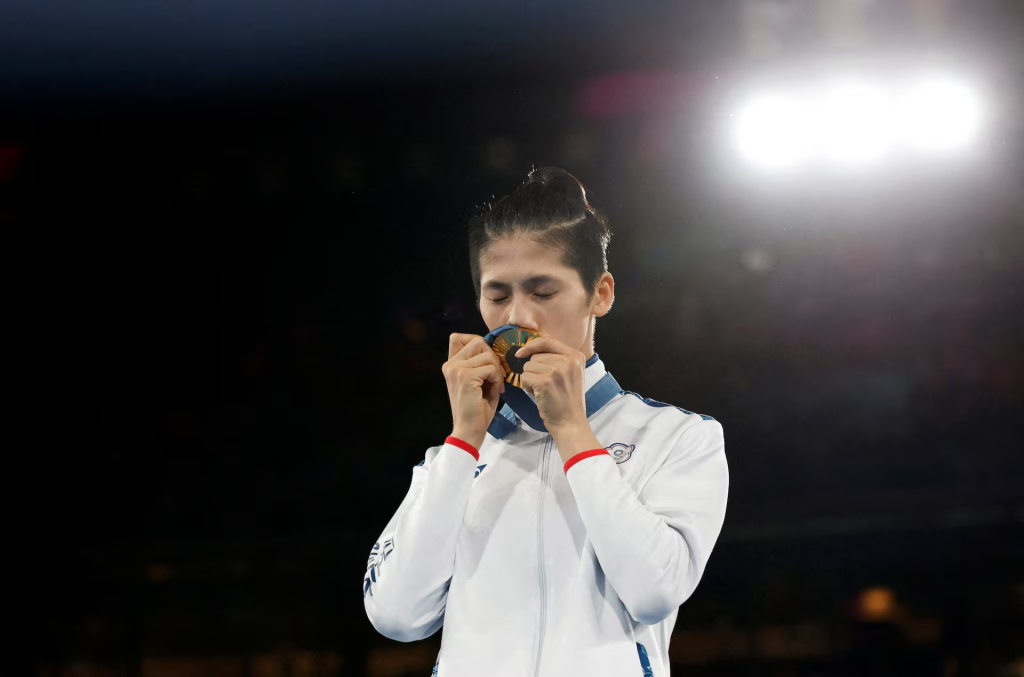
Lin Yu-ting’s clearance is not merely administrative news; it is the resolution of a complex chapter involving governance reform, scientific policy, and athlete welfare.
Her boxing return represents stability returning to a sport that has spent years navigating institutional turmoil. It also offers a reminder that behind every policy debate stands an individual athlete whose career depends on fair and transparent decision-making.
For fans, the focus can finally shift back to what matters most — footwork, timing, tactics, and the unmistakable rhythm of elite boxing competition.
After months defined by uncertainty, Lin Yu-ting steps back toward the ring not just as an Olympic champion, but as a fighter who has already won one of the toughest battles of her career long before the opening bell sounds.


There are no comments yet. Be the first to comment!