

































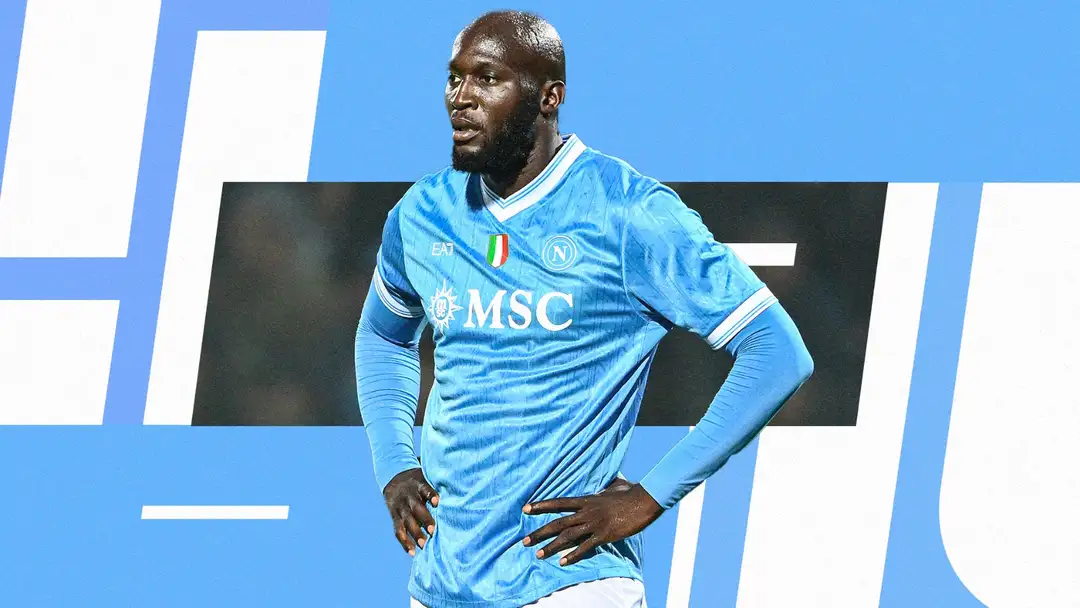
Lukaku Breaks Silence: “I’m Injured, Not Turning My Back on Napoli” — Belgian Striker Explains Absence from SSC Napoli
In modern football, silence often creates louder headlines than words ever could. Over the past week, speculation surrounding Romelu Lukaku and his absence from SSC Napoli training spiralled into rumours, accusations, and even whispers of legal tension. Supporters questioned his commitment, pundits debated his professionalism, and social media filled the information vacuum with theories.
Now, the Belgian striker has finally spoken — and his message is clear: this is not a conflict, not a rebellion, and certainly not an exit strategy. According to Lukaku himself, the truth is far simpler and far more human.
He is injured, he is recovering, and above all, he insists he has not turned his back on Napoli.
Lukaku Addresses SSC Napoli Absence and Confirms Injury Situation
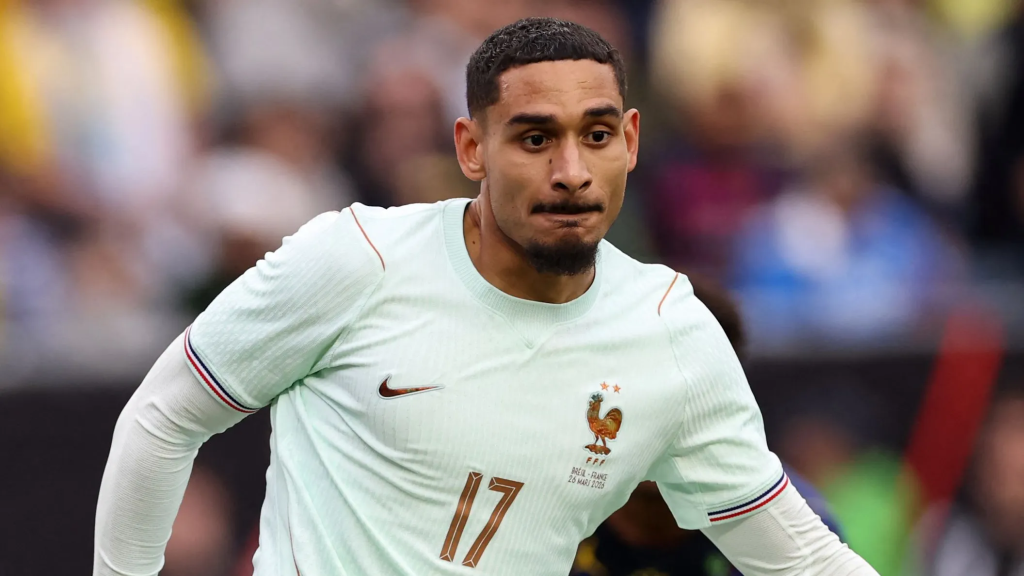
After days of mounting uncertainty, Lukaku chose to speak directly to fans through Instagram, bypassing intermediaries and speculation. The post carried a tone that felt personal rather than defensive — the voice of a player eager to regain control of his own narrative.
The striker revealed that ongoing discomfort had prompted medical examinations in Belgium, where he has been working with doctors and personal trainers. Tests confirmed inflammation in his hip flexor, an issue serious enough to require careful rehabilitation rather than rushed treatment.
For a player whose game relies heavily on explosive acceleration, physical strength, and sharp directional movement, a hip flexor injury is particularly delicate. Returning too early risks aggravating the problem and potentially extending the absence far beyond the current timeline.
Lukaku explained that remaining in Belgium allows him to follow a tailored recovery programme designed specifically for his body and playing style. The decision, he stressed, was made with long-term fitness in mind rather than convenience.
His message aimed to eliminate any doubt:
He is not distancing himself from Napoli — he is preparing himself to return stronger.
“I’m Not Turning My Back on Napoli” — Lukaku Responds to Criticism
Perhaps the most striking element of Lukaku’s statement was its emotional honesty. Rather than offering a standard medical update, the striker acknowledged how the situation had affected him mentally as well as physically.
“I’ll never turn my back on Napoli,” he wrote, addressing supporters directly. “I just want to play and win with my team.”
Those words carried weight because the narrative forming around his absence had begun to suggest otherwise. Rumours of disagreements and dissatisfaction had painted a picture of tension behind the scenes. Lukaku’s response sought to dismantle that perception entirely.
He admitted he had not felt fully fit for some time — a reality that professional athletes rarely confess publicly. Playing through discomfort, he explained, had gradually taken a psychological toll, making it harder to perform at his expected level.
For a striker accustomed to carrying attacking responsibility, that loss of physical certainty can be deeply frustrating. Confidence for forwards is inseparable from physical condition; hesitation of even half a second can mean the difference between scoring and missing.
Lukaku’s decision to step back temporarily, therefore, appears less like withdrawal and more like recalibration.
The Human Side of Elite Football Pressure
The episode highlights a broader truth about elite football: injuries are rarely just physical setbacks. They often become public debates about commitment, professionalism, and loyalty.
Lukaku has experienced this scrutiny throughout his career. From his high-profile moves between clubs to periods of criticism in England and Italy, he has often found himself judged as much for perception as performance.
At Napoli, expectations were always going to be immense. The club’s passionate fanbase demands emotional investment as much as technical quality. Any unexplained absence naturally invites concern.
Yet Lukaku’s statement reveals a player aware of those expectations and determined not to disappoint them. His insistence that he wants only to “play and win” with Napoli reflects a desire to reconnect with supporters who may have felt confused or frustrated.
In many ways, the situation underscores how modern footballers must constantly balance recovery with transparency — managing their health while also managing public opinion.
Rehabilitation in Belgium and the Road Back to SSC Napoli
Choosing to rehabilitate in Belgium rather than Naples raised eyebrows initially, but Lukaku clarified the reasoning behind the decision.
Working in a familiar environment, surrounded by trusted medical staff and personal trainers, allows for focused recovery without the daily pressure of match preparation. For experienced players, personalised rehabilitation often proves more effective than standard club-based programmes.
Hip flexor inflammation requires controlled strengthening, mobility work, and gradual reintegration into high-intensity movements. Rushing that process could risk recurring injury — something Lukaku clearly wants to avoid after what he described as a difficult year physically.
His aim is simple: return only when he is completely ready.
That patience may ultimately benefit Napoli, ensuring they regain a striker capable of performing at full power rather than managing ongoing discomfort.
Lukaku’s Promise: “I Will Help Napoli”
Despite the uncertainty surrounding his absence, Lukaku ended his message with optimism.
“It’s been a tough year,” he admitted, “but in the end I’ll pull through and help Napoli and my national team achieve their goals.”
The statement reflects a forward-looking mindset. Rather than dwelling on criticism or misunderstanding, Lukaku appears focused on what comes next — contributing decisively once fit.
Napoli’s season still holds significant objectives, and a fully recovered Lukaku could prove vital in achieving them. His physical presence, link-up play, and experience remain assets few forwards in Europe can replicate.
For Belgium, too, his recovery carries importance as international competitions approach. Maintaining fitness will be essential if he is to continue leading the national team’s attacking line.
A Reset Rather Than a Rift
Ultimately, Lukaku’s public clarification transforms the narrative surrounding his absence. What initially appeared controversial now feels far more straightforward: a player managing an injury while protecting his long-term performance.
Football thrives on drama, but sometimes the explanation is simply rehabilitation and recovery.
By speaking openly, Lukaku has attempted to rebuild trust and refocus attention on football rather than speculation. Whether supporters fully embrace that explanation will likely depend on what happens when he returns to the pitch.
If he comes back sharp, decisive, and scoring goals, the noise will fade quickly — as it so often does in football.
For now, the message from the Belgian striker is unmistakable: he hasn’t walked away from SSC Napoli. He is simply waiting until his body allows him to give everything again.


There are no comments yet. Be the first to comment!