



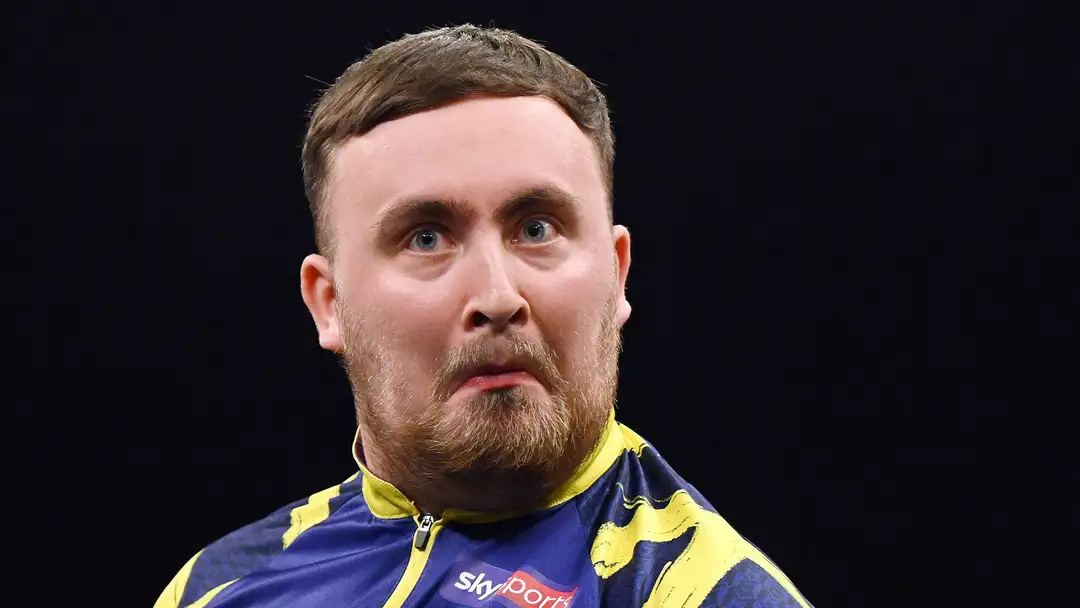
Luke Littler Moves to Trademark His Face After Fake Advertising Scare: A New Battle for Darts’ Young Superstar
Luke Littler and the Trademark Decision: How Fake Advertising Forced a Darts Superstar Into Uncharted Territory
Success in modern sport comes with rewards few athletes could have imagined a generation ago — global fame, lucrative sponsorships, and instant recognition far beyond the arena. But for darts sensation Luke Littler, that same fame has created an unexpected problem: protecting his own face.
In a move that sounds almost surreal at first glance, the teenage darts phenomenon is reportedly taking legal steps to trademark his likeness. The decision follows growing concerns about fake advertising campaigns and unauthorized commercial use of his image, particularly through artificial intelligence and digital manipulation.
According to reports emerging from the UK, Littler has submitted an application to the Intellectual Property Office to register his facial image as a trademark — a rare but increasingly relevant measure in an era where technology can replicate a person’s identity with alarming ease.
For a 19-year-old athlete still early in his career, it is a remarkably modern challenge. Yet it also reflects how dramatically darts — and Littler’s place within it — has evolved.
The Rise of Luke Littler: From Teenage Prodigy to Global Brand
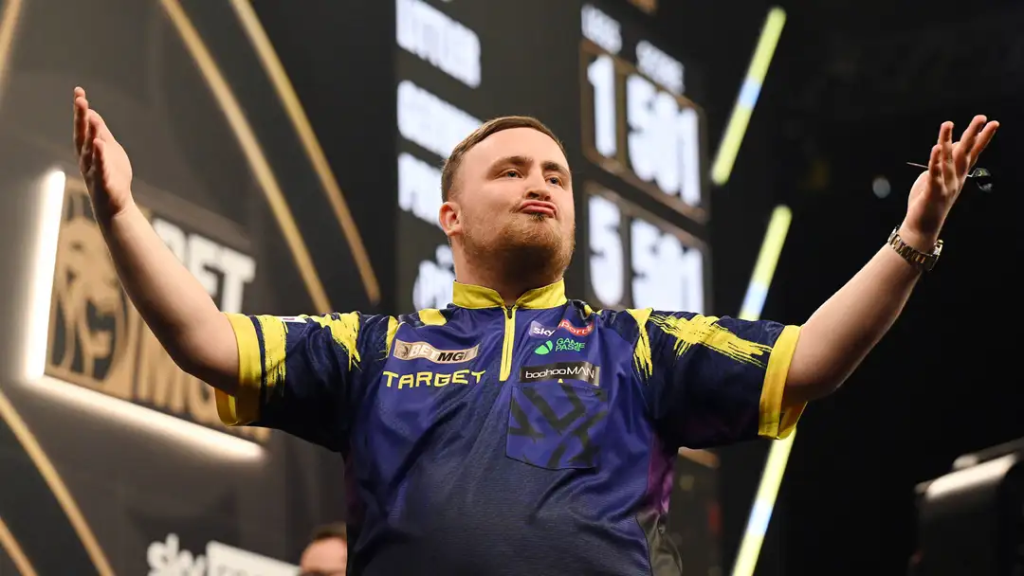
Only a short time ago, Littler was known primarily within darts circles as a gifted young player with extraordinary scoring power. Today, he is arguably the most marketable figure the sport has ever produced.
Nicknamed “The Nuke,” a moniker he has already trademarked in the United States, Littler’s rapid ascent has transformed him from rising star into commercial powerhouse. Two world championship titles and a string of high-profile victories have elevated him to world number one status and made him the face of a new generation of darts.
His appeal extends far beyond traditional fans. Younger audiences, drawn by his confidence and fearless style, have embraced him as a crossover sports personality. Social media engagement, sponsorship deals, and television exposure have followed naturally.
But popularity brings vulnerability. As Littler’s image became more recognizable, reports emerged of counterfeit merchandise and misleading advertisements using manipulated images of the player — often without his knowledge or approval.
That appears to have been the tipping point.
Fake Advertising and the AI Problem Facing Modern Athletes
The issue confronting Littler is not unique, though few athletes have addressed it so directly.
Advances in artificial intelligence now allow realistic images and promotional materials to be created in minutes. Faces can be inserted into adverts, endorsements fabricated, and products promoted using entirely synthetic campaigns that appear genuine to casual viewers.
For athletes whose income increasingly depends on brand partnerships, this represents a serious threat. Unauthorized advertisements can damage reputations, dilute sponsorship value, and confuse fans about legitimate endorsements.
Trademarking his likeness would give Littler stronger legal grounds to challenge misuse of his image. It would allow his legal team to act quickly against companies or individuals attempting to profit from fake promotions or counterfeit products.
In simple terms, Littler is trying to ensure that when fans see his face attached to a product, it is actually his decision — not an algorithm’s.
The Biggest Deal in Darts History Changes the Stakes
The urgency behind this move becomes clearer when considering the scale of Littler’s commercial success.
Shortly after securing his second world title, the English star signed what is widely described as the largest sponsorship agreement in darts history with equipment manufacturer Target Darts.
The reported ten-year partnership is valued at approximately £20 million, combining guaranteed payments, performance bonuses, and revenue shares from branded products. For a sport once viewed as niche compared to football or tennis, the numbers are staggering.
Such financial stakes inevitably increase the importance of brand protection. Counterfeit merchandise or unauthorized promotions no longer represent minor inconveniences — they potentially affect millions of pounds in commercial value.
In that context, trademarking a face begins to look less bizarre and more strategic.
Beyond the Oche: Littler’s Expanding Commercial Empire
Littler’s commercial reach now extends well beyond darts equipment.
He has appeared in campaigns promoting video games, fast-food brands, and snack products, positioning himself as one of Britain’s most recognizable young athletes. His approachable personality and relatable image make him especially attractive to sponsors seeking younger audiences.
Behind the scenes, he is guided by experienced manager Gary Plummer, one of the most influential figures in the darts business. The structured management approach has helped transform Littler’s success into a carefully managed brand — one now valuable enough to require legal safeguarding at the highest level.
Meanwhile, prize money continues to flow at remarkable speed.
Over the past two years alone, Littler has surpassed the €3 million mark in earnings through tournament performances, reinforcing his dominance on the professional circuit.
The Order of Merit: Luke Littler on Top of the Darts World
Littler’s commercial success mirrors his competitive supremacy. The Professional Darts Corporation Order of Merit currently places him comfortably at the summit, ahead of some of the sport’s most established names:
- Luke Littler – £2,961,000
- Luke Humphries – £1,206,500
- Gian van Veen – £948,250
- Michael van Gerwen – £710,250
- Jonny Clayton – £649,000
- James Wade – £637,250
- Josh Rock – £619,250
- Gerwyn Price – £617,750
- Stephen Bunting – £615,250
- Gary Anderson – £600,250
The gap at the top underlines just how dominant Littler has become — both competitively and commercially.
A New Reality for Modern Sports Stars
Littler’s trademark application may seem unusual today, but it could soon become standard practice across professional sport.
Athletes are no longer just competitors; they are digital identities operating within a global marketplace shaped by social media, AI technology, and rapid content creation. Protecting image rights has become as important as protecting physical health or contract terms.
Ironically, the same innovation helping sports grow worldwide is also forcing athletes to defend themselves in new ways.
For Littler, the move represents another step in adapting to life as darts’ biggest star — a role he appears increasingly comfortable handling both on and off the stage.
Success, Fame and the Price of Being “The Nuke”
Only days ago, Littler produced another dramatic comeback victory in the Premier League, securing his second win of the season and reinforcing the sense that his dominance is only beginning.
There is little indication his rise will slow anytime soon.
Yet his decision to trademark his own face serves as a reminder that modern sporting greatness comes with complexities previous generations never faced. Fame now exists not only in arenas and television broadcasts but across digital spaces where identity itself can be replicated.
For Luke Littler, protecting that identity has become the latest contest — one fought not with darts in hand, but with legal documents and intellectual property law.
And in an era where image can be as valuable as performance, it may prove one of the smartest moves of his young career.


There are no comments yet. Be the first to comment!