

































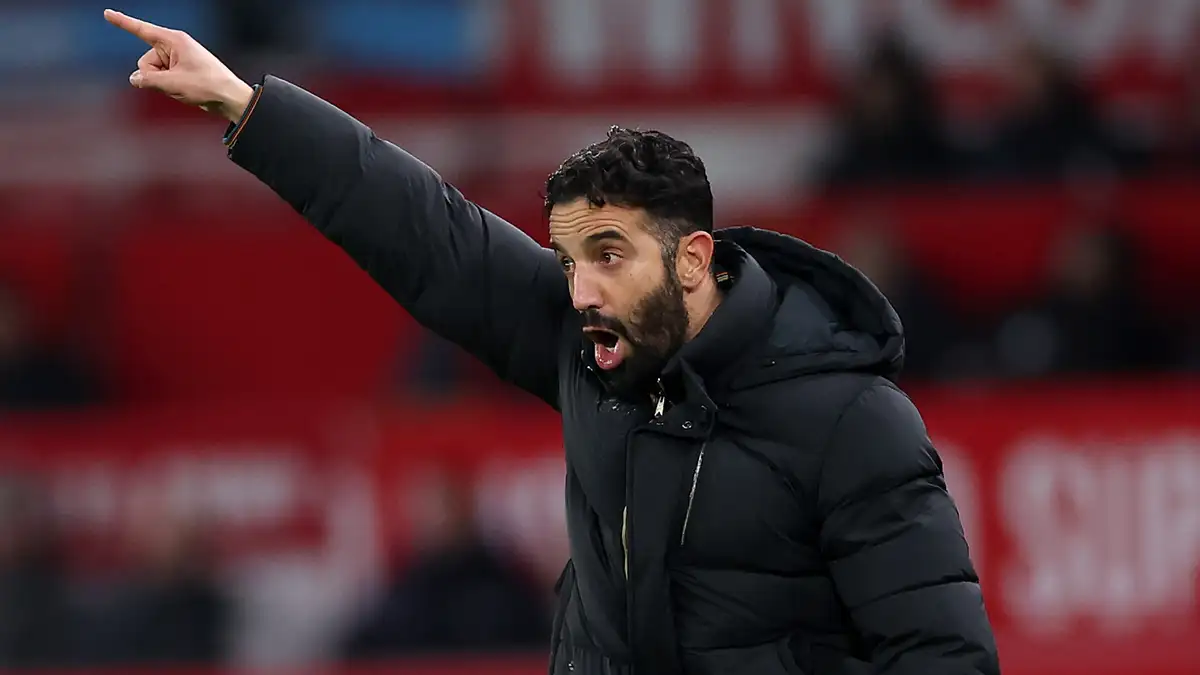
Man Utd and Bayern Munich Target 16-Year-Old Ecuadorian Midfielder With La Liga Giants Keeping Track
European Heavyweights Circle Ederson Castillo as South America’s New Talent Boom Continues
The name Ederson Castillo might not yet be familiar to the wider footballing public, but inside scouting departments across Europe, it’s the name being whispered a little louder each week. The 16-year-old Ecuadorian midfielder — currently honing his craft at Liga de Quito — has suddenly become the centre of a high-stakes tug-of-war involving Manchester United, Bayern Munich, and a growing cast of admirers including Atlético de Madrid and Anderlecht.
It’s an extraordinary rise for a teenager who, until a few months ago, was still fighting for a consistent place in his club’s youth setup. Now, with Europe’s giants circling, Castillo’s future feels like a puzzle everyone is scrambling to solve.
European Giants Circle Ecuadorian Wonderkid
Manchester United and Bayern Munich Move Early as Castillo’s Stock Skyrockets
Reports in Bolavip and Futbol Ecuador suggest that interest in Castillo has intensified at a pace that even Liga de Quito’s coaches did not anticipate. His standout performances in the Ecuadorian U-19 tournament — where LDU lifted the title — have put him firmly on the global radar. Scouts who originally visited merely to “check in” have begun returning for second and third looks, and their reports back to Europe have apparently sparked internal discussions at United and Bayern about accelerating their recruitment timelines.
For a 16-year-old midfielder, Castillo’s style is surprisingly complete. Those who have watched him consistently praise his positional intelligence, his ability to play in tight spaces, and a certain calmness in his decision-making that feels unusual for players his age. Some compare his build-up play to Moisés Caicedo at the same stage — not stylistically identical, but similarly composed, similarly unfazed.
Liga de Quito, recognising that they may have a generational talent on their hands, have already invited him to train with the senior squad. Coaches reportedly came away impressed by how seamlessly he adapted to the increased tempo, something that will only increase the urgency of interested clubs.
Manchester United and Bayern Munich, according to several outlets, have now positioned themselves at the front of the queue. They’ve gone beyond routine scouting: meetings, reports, and internal assessments are well underway. Neither club wants to risk waiting until the moment Castillo breaks into Liga de Quito’s first team — because at that point, his price could explode.
United and Bayern Face Stiff Competition
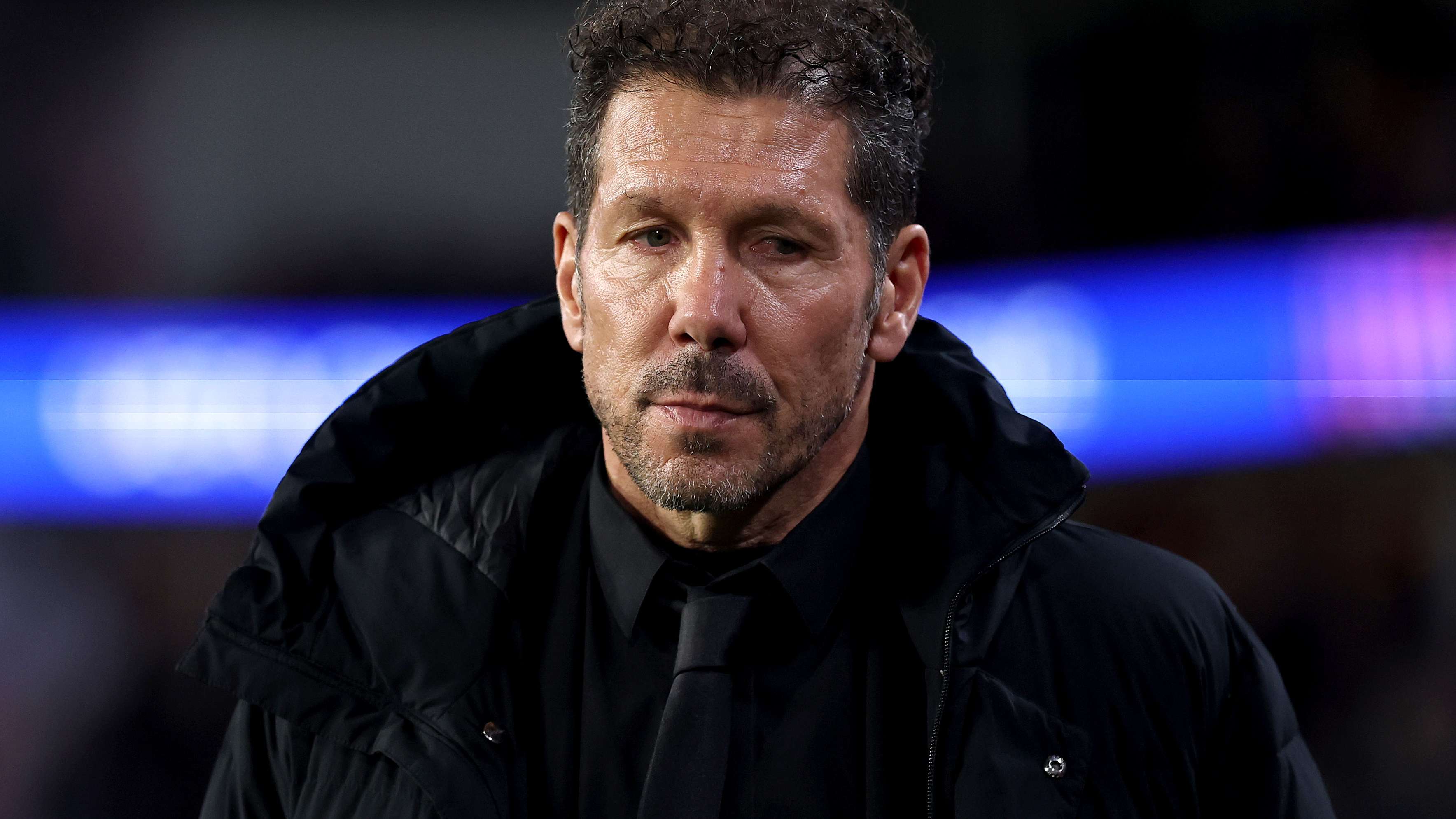
PSV Eindhoven v Atletico de Madrid – UEFA Champions League 2025/26 League Phase MD6 Bayern Munich
Atlético de Madrid and Anderlecht Add Layers to an Already Crowded Race
For all the financial muscle that Manchester United and Bayern Munich can bring, this transfer saga is not a two-club operation. Atlético de Madrid have quietly entered the frame, and when Atlético show this level of interest in a young South American midfielder, it usually means they’ve found a player who fits their identity: combative, disciplined, tactically sharp, and technically secure.
Diego Simeone’s track record with South American players is long and impressive. From José Giménez to Ángel Correa to Rodrigo De Paul, Atlético often know when to bet early. Scouts within the club reportedly believe Castillo has the exact DNA to thrive in a Simeone system — the stamina to press, the tactical awareness to defend in a block, and the personality to withstand the demands of a coach who never lowers the tension.
Anderlecht, meanwhile, enter the story from a slightly different angle. They cannot compete financially with United or Bayern, but they can offer something equally valuable: a clear route to senior football. Belgian clubs have become known for nurturing South American prospects in a calmer environment, away from the intense scrutiny of the Premier League and Bundesliga.
And Anderlecht have one key advantage in this case — they have done business with Liga de Quito recently, signing Nilson Angulo. That existing relationship, and the trust it brings, should not be underestimated. Agents and families often prefer a club that already understands the logistics, culture, and expectations of Ecuadorian footballers.
Anderlecht’s pitch is simple but compelling: come to Belgium first, grow your game, then make your big move at 19 or 20, fully prepared. Many careers across Europe have been built on that model.
Ecuador’s Golden Generation Spurs Interest
European Clubs Rush to Find “The Next Caicedo” Before Prices Explode
What’s happening with Ederson Castillo is not an isolated story — it’s a new chapter in Ecuador’s ongoing footballing ascent. Over the last five years, Ecuador has transformed into South America’s most efficient talent factory. Players like Moisés Caicedo (Chelsea), Piero Hincapié (Bayer Leverkusen), Willian Pacho (Eintracht Frankfurt), and Pervis Estupiñán (Brighton) have done more than just succeed; they’ve thrived in the physical, relentless reality of European elite football.
Clubs have noticed. And more importantly, they’ve adjusted.
Manchester United — under their revamped sporting structure — have made it clear they want to avoid paying British-record fees for talent who could have been acquired years earlier. Instead, they want the “pipeline approach”: find the player at 15 or 16, secure an agreement early, then integrate him over time. Castillo fits that philosophy almost perfectly.
Bayern Munich share the same mindset. Their Bayern Campus project was designed precisely for this: recruit international wonderkids early, polish their development internally, and avoid the inflated fees that come with fully developed stars. For Bayern, Castillo represents another opportunity to future-proof the midfield.
Ecuador is producing athletes who are strong, technically sharp, mentally mature, and tactically flexible — a dream combination for European academies. Castillo is simply the latest name in a conveyor belt that shows no signs of slowing.
FIFA Regulations Delay Potential Move
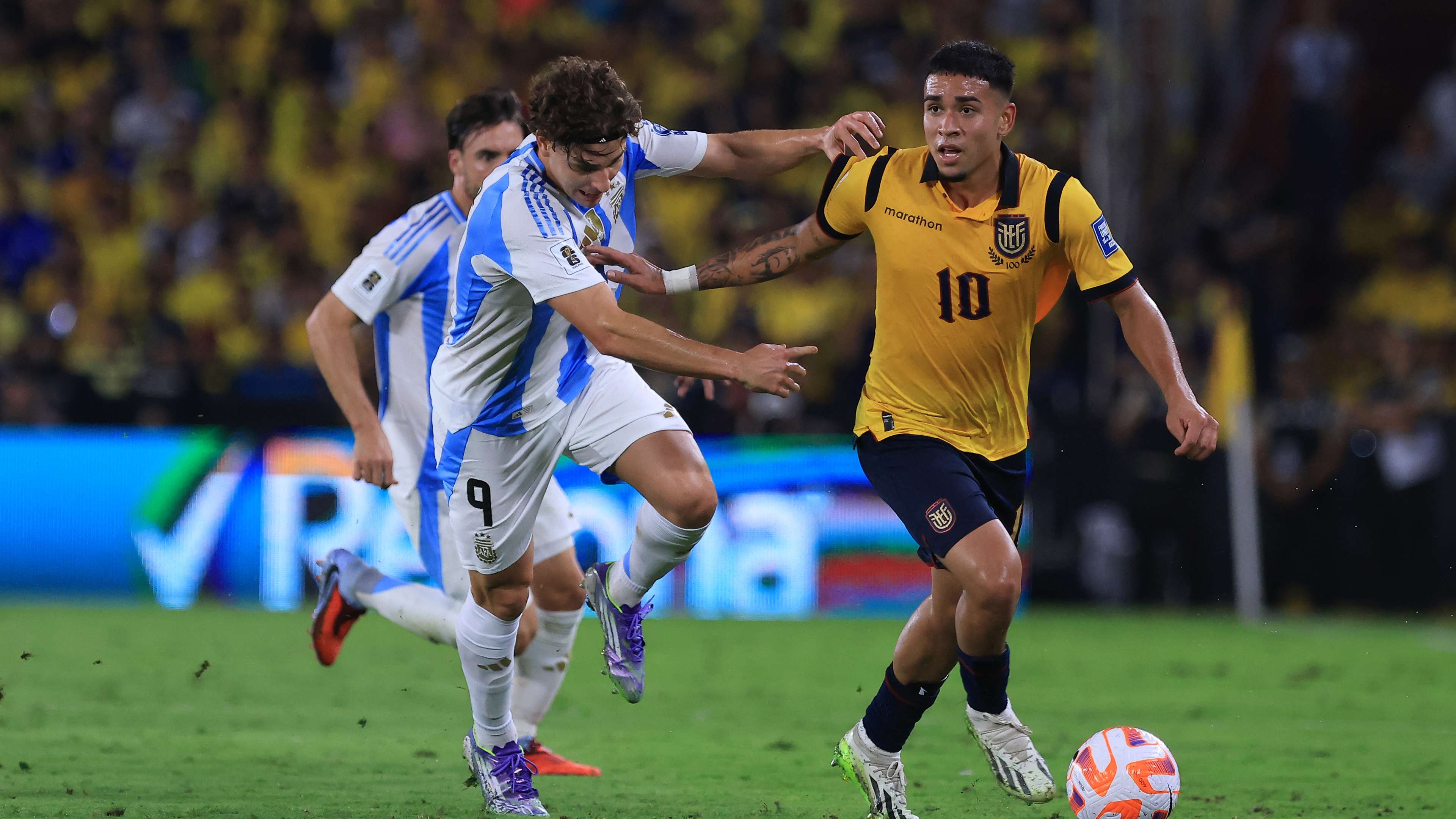
Ecuador v Argentina – FIFA World Cup 2026 Qualifier
At 16, Castillo Cannot Move Yet — Creating a Kendry Páez-Style Scenario
Despite all the noise, the reality is that any deal involving a 16-year-old comes with unavoidable complications. FIFA’s transfer rules for minors are strict, and rightly so. Castillo cannot register for a European club until he turns 18.
This means that anything agreed in the coming months would mirror the structure of Chelsea’s move for fellow Ecuadorian prodigy Kendry Páez — a pre-contract that allows the buying club to secure the player early while he continues developing in Ecuador.
Páez remained at Independiente del Valle until he turned 18, and only then completed his transfer. Castillo’s path would almost certainly follow the same pattern:
-
Agreement reached between LDU and a European club.
-
Contract signed in principle.
-
Castillo remains on loan at Liga de Quito for up to two years.
-
He gains first-team experience, possibly even Libertadores minutes.
-
He arrives in Europe far more prepared than a typical 18-year-old.
This arrangement protects both sides: LDU retain a top talent during crucial development years, while the buying club avoids competition and secures the player early.
A Race That Is Only Just Beginning
Castillo’s Next Steps Will Shape One of the Most Intriguing Youth Transfer Battles of the Year
The chase for Ederson Castillo is still in its early chapters, but the level of interest — and the calibre of clubs involved — makes it one of the most intriguing youth transfer stories of the year. Manchester United and Bayern Munich may be leading for now, but Atlético de Madrid and Anderlecht remain firm contenders, each offering unique sporting pathways.
For Castillo himself, the coming months will be life-changing. He is only 16, but he stands at a crossroads where Europe’s elite have already made up their minds: this is a player worth fighting for.
Whether he ends up in Manchester, Munich, Madrid or Brussels, one thing feels certain — Ecuador’s golden generation is not slowing down, and Europe is paying very close attention.


There are no comments yet. Be the first to comment!