











































































































































Man Utd Warned Off ‘Foolhardy’ £100m Transfer for Nottingham Forest Star Elliot Anderson
Why Reports Linking Man Utd to a £100m Move for Elliot Anderson Don’t Add Up
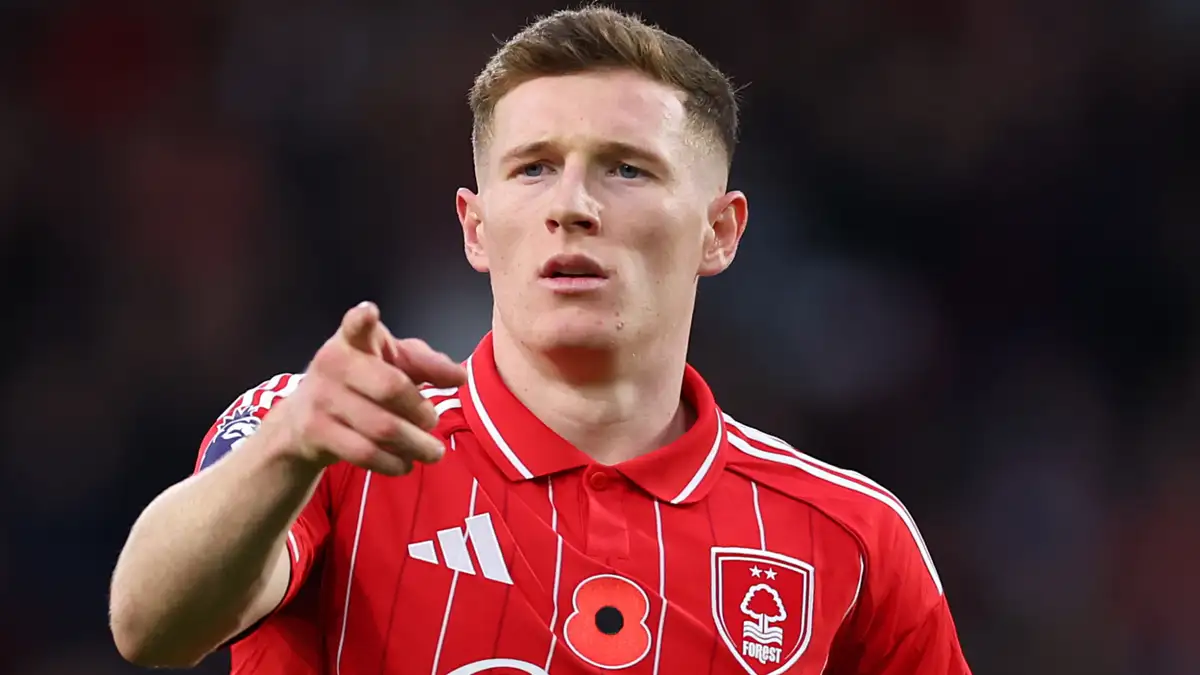
In football, summer rumours tend to arrive in waves. Some feel plausible, some feel hopeful, and some appear out of thin air—yet they all gather momentum the moment Manchester United’s name is attached. The club remains such a gravitational force in the transfer market that even the smallest whisper can turn into a sizable headline. The latest name to surf that wave is Elliot Anderson, Nottingham Forest’s high-energy midfielder and one of England’s most talked-about young players.
But according to former United defender Paul Parker, splashing £100 million on Anderson would not only be excessive—it would be, in his own words, “foolhardy.” And when Parker speaks about United’s direction, people tend to listen. After all, the club that once lined its midfield with characters like Roy Keane, Paul Ince, and Bryan Robson is now facing a delicate crossroads in its rebuild.
This article takes a closer look at why the Manchester United-Elliot Anderson connection has gathered steam, what such a transfer would actually represent, and whether it fits United’s long-term strategy as they edge toward a defining period leading up to the 2026 World Cup.
Elliot Anderson: A Rising Name With a Growing Price Tag
If you’ve watched England under Thomas Tuchel in the last year, you’ve almost certainly noticed Anderson. At just 23, he already carries the comfort and composure of someone who has been orbiting elite football for years. Calm in tight spaces, confident in possession, and relentless in transition, he has quickly become one of the national team’s most reliable pieces.
England’s flawless qualification campaign for the 2026 World Cup only amplified his stock. Every international break brought another standout performance, another burst of speculation, another article linking him to Europe’s biggest clubs. And even if the numbers seem inflated, this is simply the reality of the modern market: a talented English player in a long contract at a Premier League club will automatically attract eye-wateringly high valuations.
Anderson’s deal at Nottingham Forest runs until 2029, which gives the club all the leverage they need. Forest have no urgency to sell, especially not to a domestic rival. And when they sense multiple suitors—reports have linked Anderson with a handful of Premier League clubs as well as a couple in Europe—they have every reason to keep the price steep.
But the question remains: Is he the player Manchester United should be targeting with a nine-figure bid?
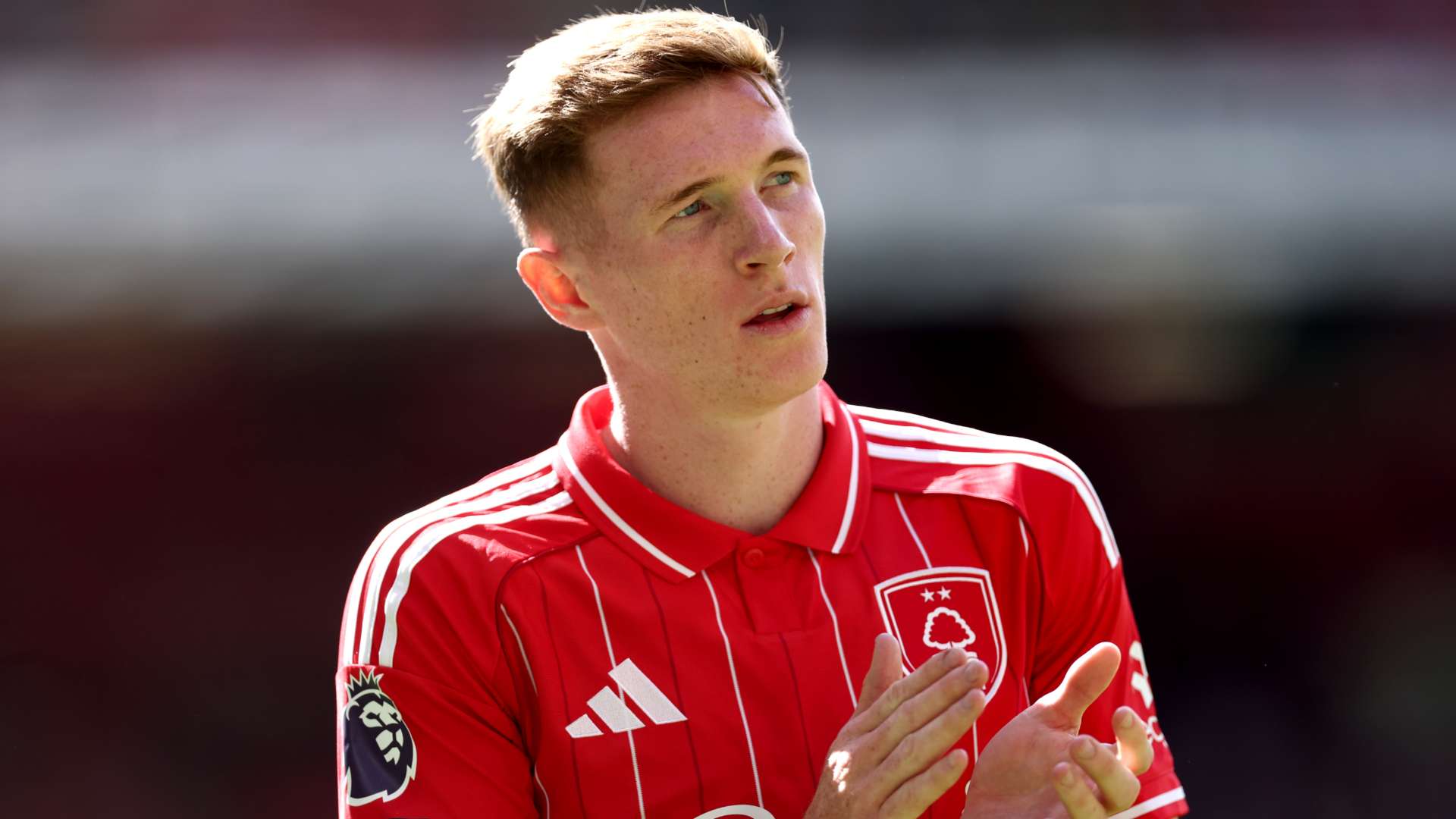
Elliot Anderson Nottingham Forest 2025-26
United’s Midfield: A Department in Transition
You don’t need to dive deep into analytics to see why United are monitoring midfield profiles. Their current core is entering an unpredictable phase.
-
Bruno Fernandes, still the team’s heartbeat, has been the subject of interest from European heavyweights and ambitious Saudi Pro League projects.
-
Casemiro, once one of the world’s most dominant No.6s, is edging toward free agency and no longer the long-term anchor he was purchased to be.
-
Younger options exist, but none yet appear ready to own the centre of the pitch the way the greats of the past once did.
So the idea of targeting someone like Anderson—a midfielder built on energy, ball retention, and versatility—makes sense in theory. He’s not a Casemiro-style destroyer, nor a Fernandes-type creator; rather, he’s a modern hybrid, a dynamically balanced midfielder comfortable in different phases of play. These are the types of players elite clubs collect.
Still, Parker warns that the logic only goes so far.
Paul Parker’s Verdict: “One Player Is Not Enough”
When speaking with GOAL on behalf of British Gambler, Parker didn’t hold back. His message was simple: United cannot afford to fixate on one shiny solution in a window where they need more than a tweak.
“I keep seeing his name bandied about,” he said. “When it’s Manchester United, everybody wants to throw out someone all the time. Everyone goes with it.”
He likes Anderson, he said. Rates him, even. But the real issue is the scale of the rebuild United require. Middle-of-the-park energy is important, yes; an athletic midfield is essential in modern Premier League football. But rebuilding United’s identity demands more than simply adding one strong runner into the mix.
“To be in the Premier League now, it is about how athletic your team is,” Parker explained. “There is a much better chance of getting results at weekends when you have athletic players. But one player for me in midfield is not enough. They need a major rebuild.”
This is the crux of Parker’s argument. Even if Anderson turns out to be everything scouts claim he is, he cannot single-handedly transform the Red Devils’ midfield. Spending £100m on a player who cannot resolve multiple structural issues is, in his view, a misallocation of resources.
Why £100m for Anderson Feels Like a Stretch
Let’s be clear: Anderson is a player with enormous upside. But Parker’s scepticism about the price tag is understandable, and many within the game share that hesitation.
United have, in recent seasons, fallen into a cycle of paying “Manchester United tax”—the familiar premium that sellers add the moment the club expresses interest. The club has been burned before with oversized fees for players who were solid but not transformational.
When Parker says that signing Anderson for £100m “would be foolhardy,” he’s pointing to patterns United have repeated for nearly a decade: buying good players for elite prices and expecting them to become elite through sheer expectation.
Anderson may very well grow into a £100m footballer. But buying him at that price now requires extreme conviction—a level of certainty United do not currently have the luxury to gamble on.
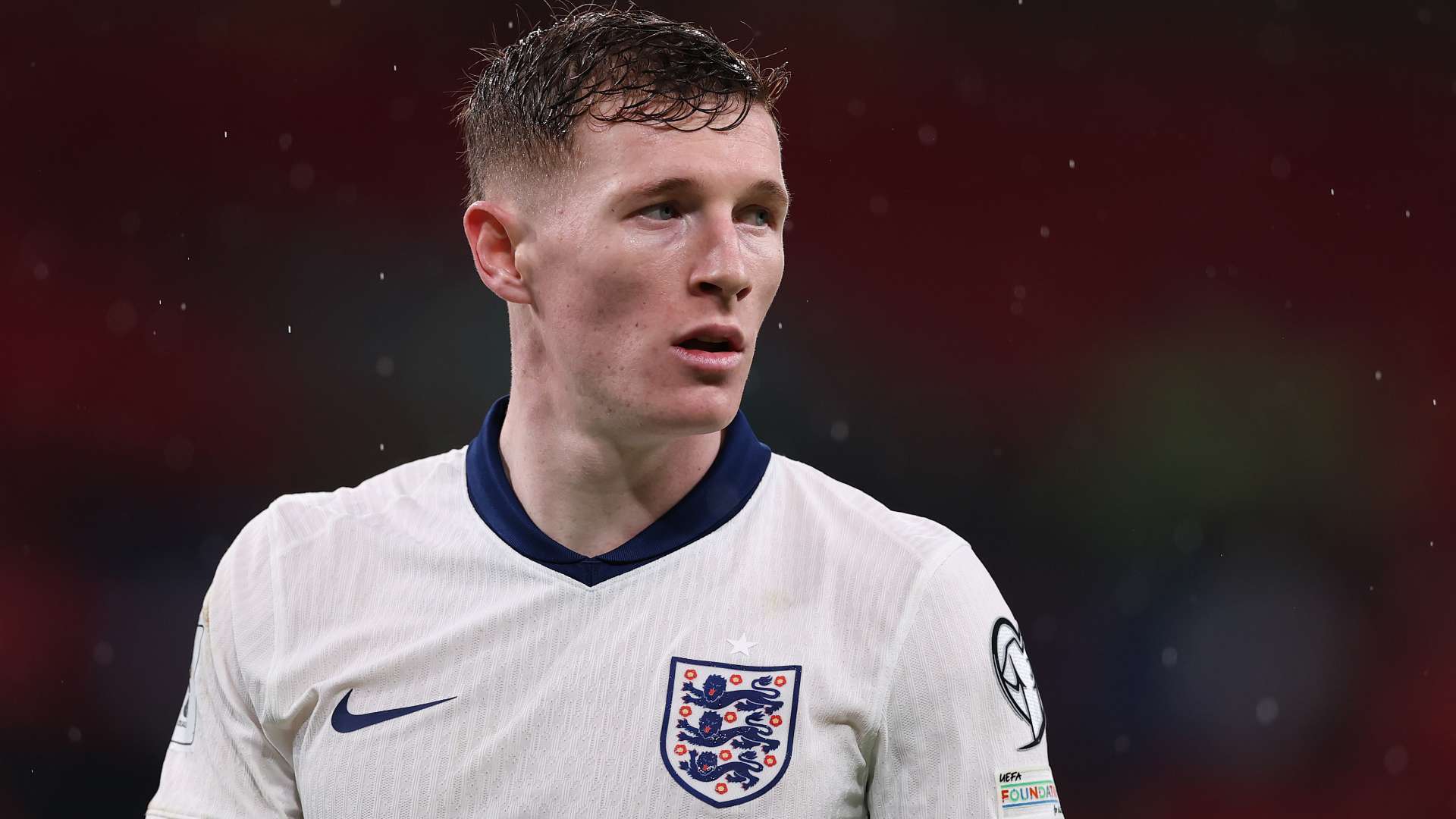
Elliot Anderson England 2025
The 2026 World Cup: A Global Shop Window
Another element to consider is timing. The 2026 World Cup—hosted in the United States, Canada, and Mexico—will give emerging midfielders around the world a stage to elevate their value or present alternative options. Clubs know this. United know this. And they know that committing most of their budget to one player before that tournament could limit their ability to adapt based on performances and market shifts.
This is why Parker believes United should consider spreading their investment more strategically. Ruben Amorim, who is shaping United’s long-term sporting direction, may prefer to divide funds to strengthen multiple areas rather than placing all his chips on one target.
It’s not that Anderson isn’t worth monitoring. It’s that the timing and the price create a scenario in which patience might prove the smarter play.
A Rebuild, Not a Rescue Mission
Manchester United have reached a point where short-term fixes no longer cut it. They need a modern identity, a squad moulded to a clear philosophy, and a rebuild executed with discipline rather than impulse. Anderson could easily fit into that kind of long-term vision—but only if the conditions, including the fee, make sense.
At the moment, Forest have no intention of budging. The player is tied down until 2029. The demand will stay high. And United’s priorities extend well beyond a single hot prospect.
If Anderson continues to shine, the conversation will undoubtedly return. But for now, Parker’s warning is one United would be wise to consider: the club needs more than a marquee midfield signing. It needs a complete rethink.
And shelling out £100m on Elliot Anderson, no matter how bright his future appears, is not the kind of rethink they need.


There are no comments yet. Be the first to comment!