





























































































































Not the Medal They Wanted – But Team GB Curlers Put Their Sport in the Spotlight
From Glasgow pub anonymity to Olympic silver: how Team GB curlers captured the nation’s attention
It was a cold Thursday night in November in Glasgow’s Merchant City. Inside a cosy pub, four men in their early thirties squeezed around a small wooden table, nursing pints and talking quietly about what the winter might hold. No one asked for selfies. No one leaned over to wish them luck. To the casual observer, they were just another group of mates catching up.
Fast forward three months.
The same pub. The same four men. But this time, the television screens that had moments earlier been showing Scotland’s Six Nations win in Wales were switched over. Every head turned toward the curling. Glasses paused mid-air. Conversations fell silent. Almost everyone in the room was willing those same four men – plus their alternate – to Olympic glory.
They didn’t get the gold.
But what Team GB’s Bruce Mouat, Grant Hardie, Hammy McMillan, Bobby Lammie and Kyle Waddell did achieve was something perhaps less tangible but just as powerful: they dragged curling into the national consciousness.
Silver, again. And still not satisfied.
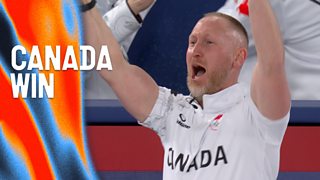
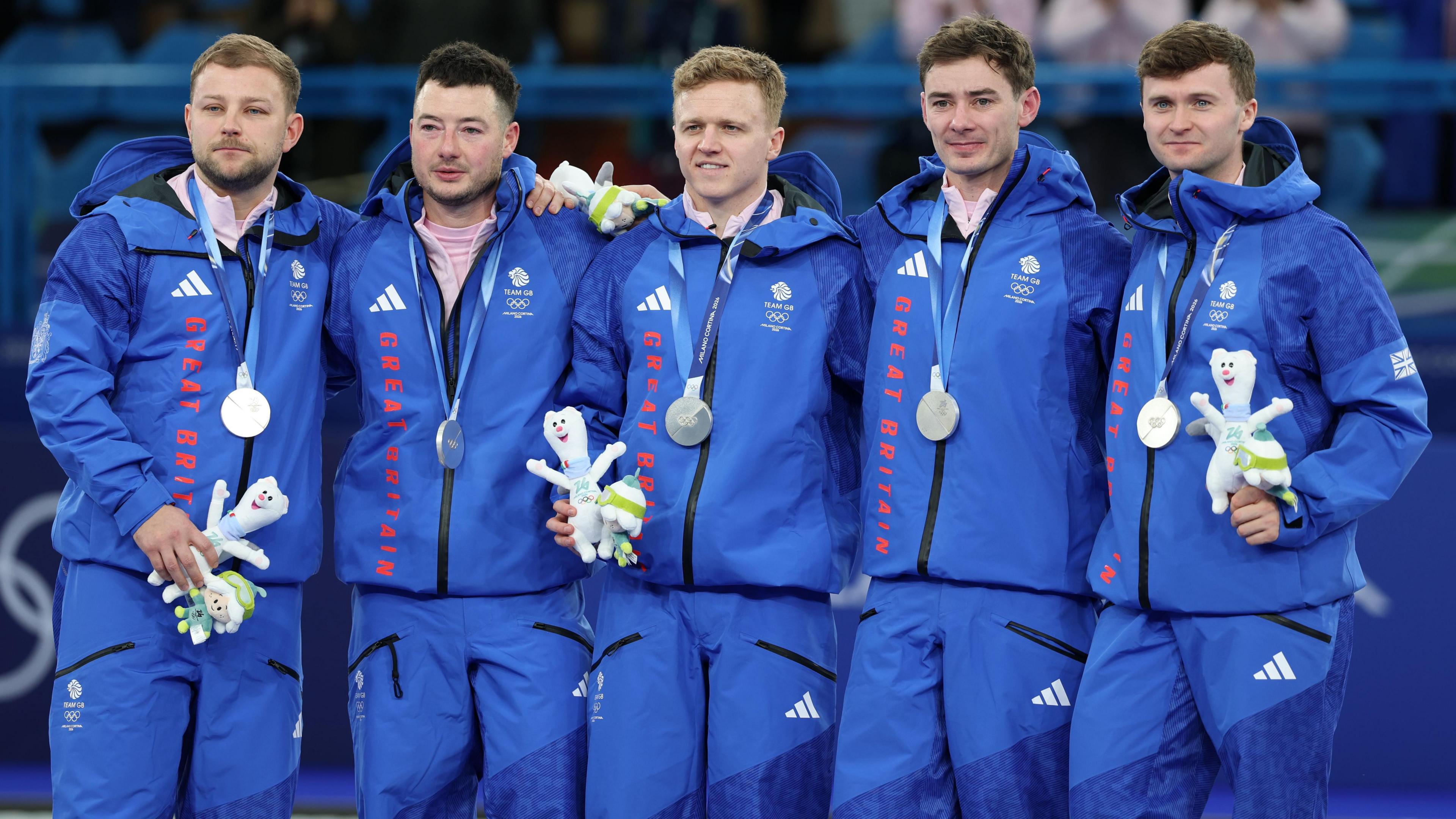
In Cortina, Mouat’s rink fell just short against Canada in the Winter Olympic final. It was heartbreakingly familiar. Four years earlier in Beijing, they had stood on the second step of the podium as well.
This time, they genuinely believed the story would end differently.
After an epic semi-final win over Switzerland – watched by a peak television audience of 3.4 million on the BBC – Mouat referred to the final as “our gold medal.” That match felt like destiny unfolding. The quartet had worn an aura of near-invincibility throughout much of the Olympic cycle. Two world titles. European crowns. A cabinet bursting with Grand Slam trophies. They had been the standard-bearers in men’s curling.
But against the Canadians, the edges dulled. The precision wavered. The cloak slipped.
And just like that, they were left staring at another silver medal.
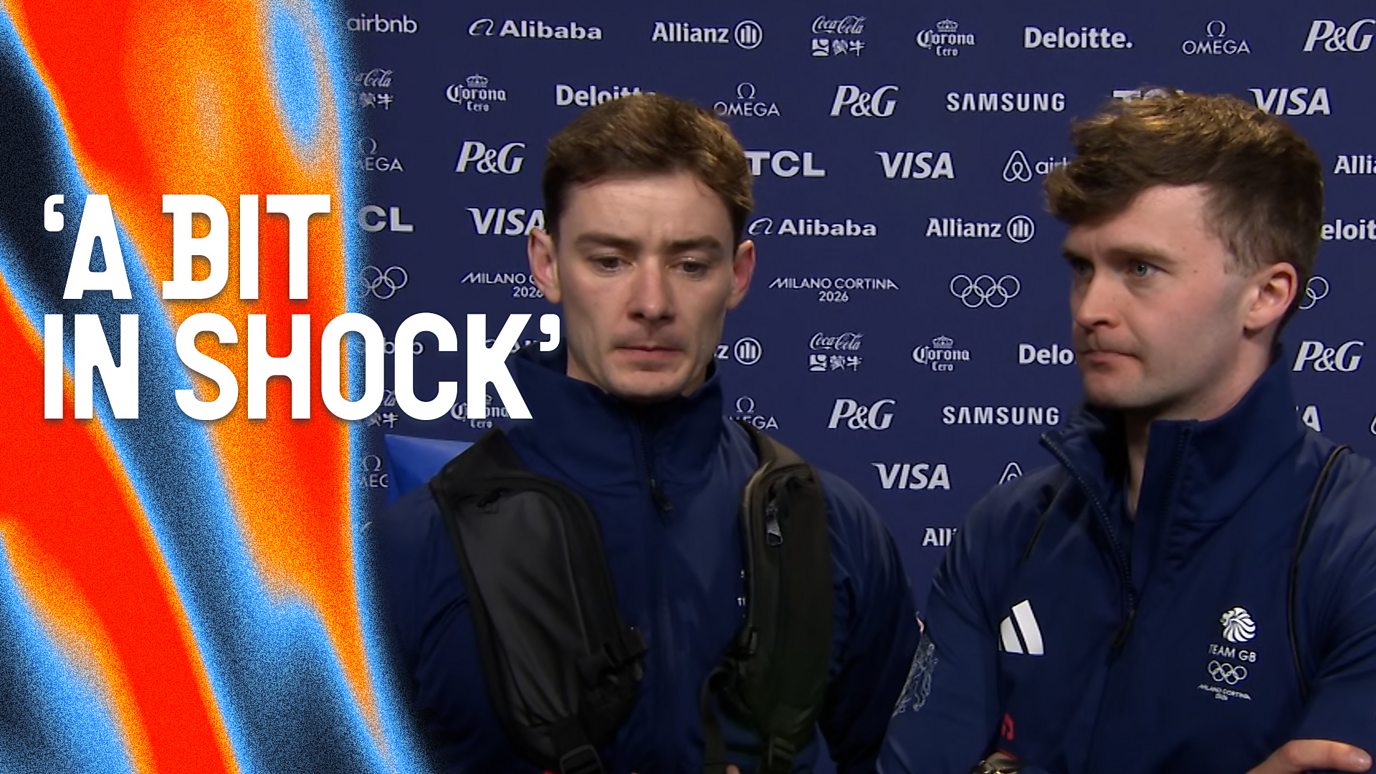
“I’ve tried not to look at it, to be honest,” a heavy-hearted Hardie admitted afterwards, gesturing toward the medal resting on his chest. “Not many people can say they’ve got two of these. One day we’ll be proud of that. But right now, it hurts too much.”
It was raw. Honest. Human.
The nine-year journey that transformed Team GB curlers into world champions
To understand why this defeat cuts so deeply, you have to rewind nearly a decade.
Hardie and McMillan, 33-year-old cousins from south-west Scotland. Lammie, 29, from the same region. Mouat, 31, who knew them from school in Edinburgh and had previously shared a rink with Lammie. They were not strangers. But they were not yet a dynasty either.
When they approached British Curling’s elite programme, they did so with a bold condition: it was all of them, or none of them.
The governing body accepted.
From that moment, the die was cast.
Under Mouat’s calm leadership, the team grew into the dominant force in men’s curling. Two World Championships. Two European titles. Twelve Grand Slam crowns – a record. At times, they were simply untouchable.
Mouat has come to be regarded as one of the finest skips of his generation. Hardie, an engineer by trade, developed a reputation as a master tactician and shot-maker. McMillan and Lammie, meanwhile, redefined the role of the sweeper.
Once described dismissively as “the lads with the brushes,” their athleticism reshaped how the game is played. In modern curling circles, there is a growing belief that elite matches are now won as much by sweeping as by throwing. Power, endurance and split-second communication have elevated the position into something dynamic and game-changing.
They didn’t just win. They evolved the sport.
Not the medal they wanted – but a legacy far beyond gold
Yet beyond tactics and technique, it is their chemistry that truly sets them apart.
There is no hierarchy in tone, even if convention dictates the rink carries Mouat’s name. “Team Mouat” operates on a level playing field. Total honesty underpins everything.
“If one of us is in the wrong, the rest can say so,” McMillan has often explained. Mouat, more measured, describes it as understanding what each teammate needs to hear in any given moment.
They are very different personalities.
McMillan is the hype man – energetic, animated, forever lifting the volume. Hardie is the logic-driven analyst. Mouat is thoughtful and reflective, rarely rattled. Lammie provides quiet reliability. Waddell, the alternate, brings experience and calm from the wings.
BBC pundit and Olympic gold medallist Vicky Wright once summed it up neatly: their strength lies in mutual respect. Every voice matters.
That balance was visible throughout the Games in Cortina. They were approachable, relaxed, present. Stopping in the streets to chat. Meeting friends and family. Watching fellow British athletes compete. Mouat even admitted to spending “far too much money” pillowcase shopping on the morning of the semi-final.
Moments before the Olympic final, there was laughter between Hardie and McMillan. Mouat scanned the crowd, smiling at familiar faces. Lammie and Waddell calmly observed the Canadians warming up.
They belonged there.
Which makes the final result all the more painful.
For over a century, no GB men’s rink has claimed Olympic gold. History beckoned. It didn’t happen.
But perspective will come.
One day, those two silver medals will shine differently. They will represent sustained excellence in an era of global depth. They will symbolise a team that carried British curling into living rooms and pubs across the country.
Just not yet.
What next for Team Mouat and Team GB curling?
The immediate future is uncertain.
Mouat has been clear: he intends to go again. McMillan, Lammie and Waddell appear inclined to continue the journey toward the 2030 Games in France.
Hardie is less certain.
Beijing left emotional scars. Cortina reopened them. Tears flowed freely after the final whistle, perhaps speaking louder than any words.
“When you don’t achieve your goal, you have doubts,” he admitted. “Maybe it will never happen.”
It is the voice of an elite athlete confronting the harsh reality of sport: sometimes you can do almost everything right and still fall short.
For now, they will not defend their world title in Utah in April. Scotland’s representatives will be decided at the national championships. Team Whyte, currently ranked fifth in the world, are favourites to step into that space. By 2030, the landscape may look very different.
But that debate can wait.
For these five men, the priority is simpler: to celebrate what they have achieved.
Hardie reflected on Beijing, when he isolated himself after defeat. “Four years ago I was in a bad place – I didn’t even want to drink. The rest of the guys went out and I sat in my room. I regret that.”
This time, he promised, would be different.
“Tonight, I’m going to make sure I celebrate this week. It’s been memories for a lifetime.”
That may ultimately be their greatest victory.
Not the medal they wanted. Not the fairytale ending.
But a team that took a niche winter sport and made a nation care.


There are no comments yet. Be the first to comment!