











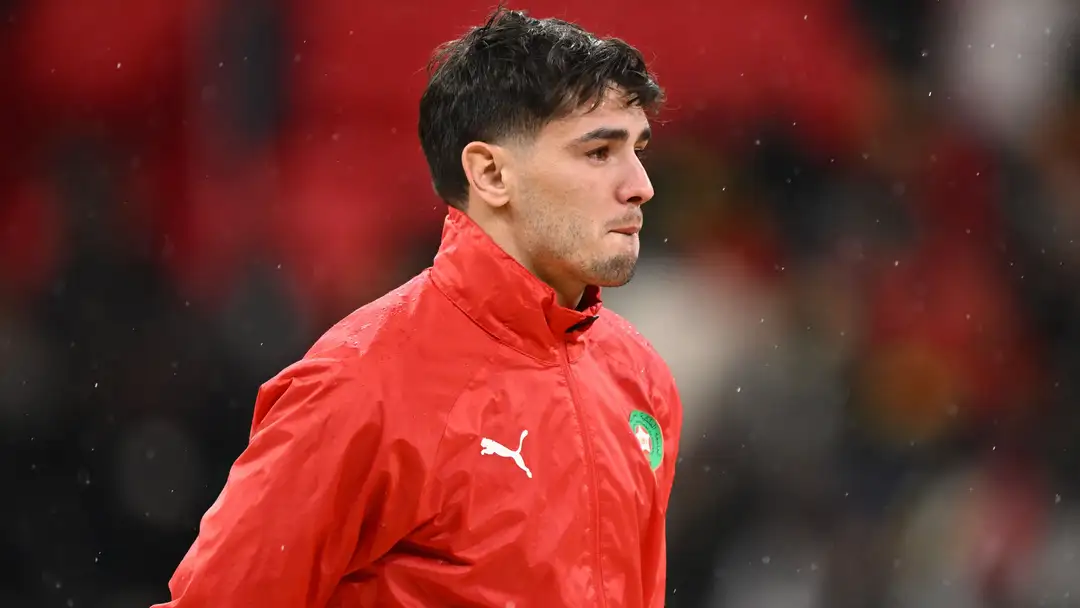
Panenka Pain in Rabat: Brahim Diaz, Morocco and the AFCON Moment That Sparked Fury
For 24 unforgettable minutes of stoppage time, Morocco stood on the edge of history. The Africa Cup of Nations final in Rabat had already descended into chaos, controversy and raw emotion when the hosts were handed a golden chance to end a 50-year wait for continental glory. Then came the moment that would define the night — and perhaps haunt Brahim Diaz for years to come.
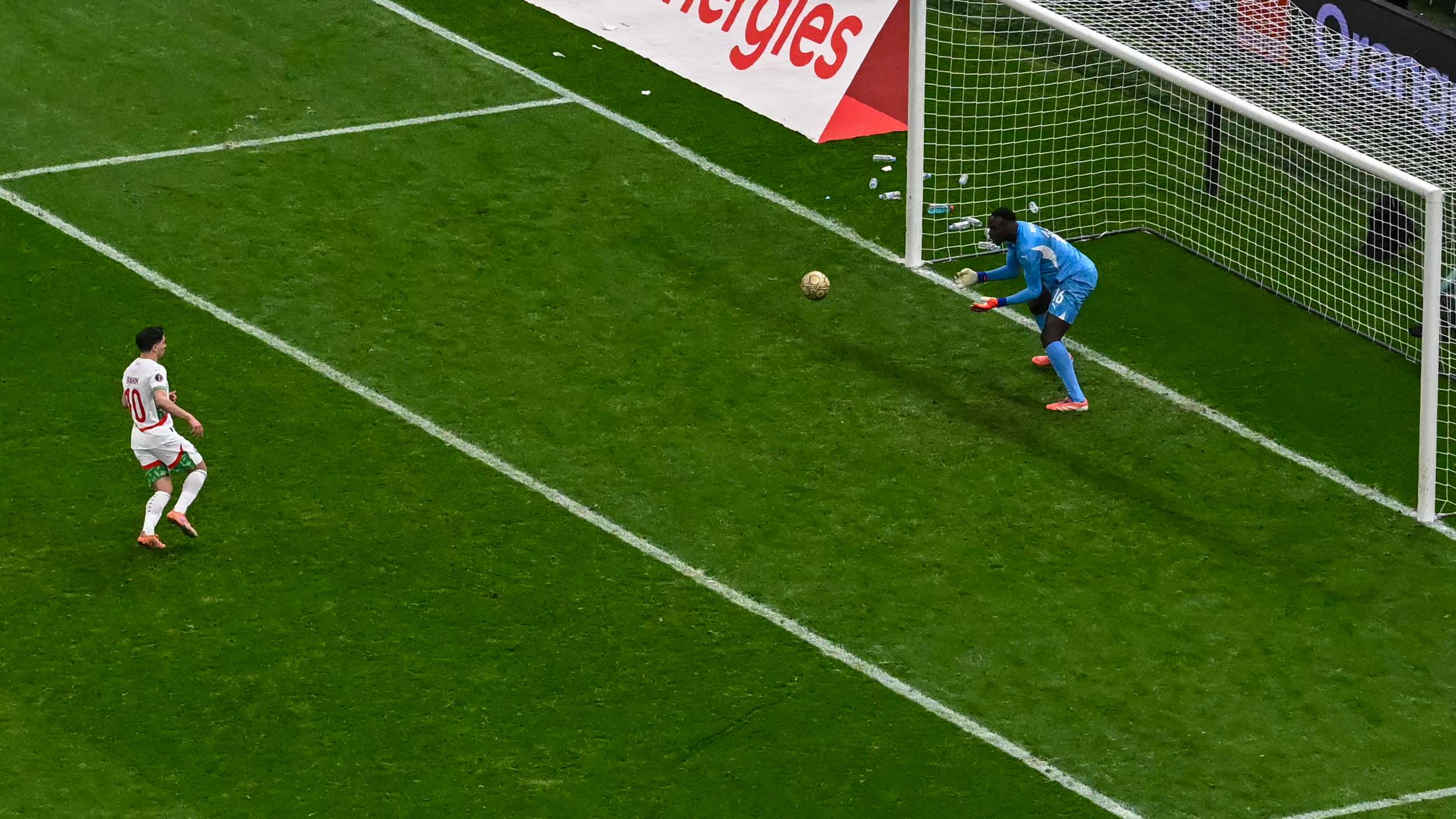
Real Madrid’s elegant playmaker, trusted with the biggest kick of Morocco’s modern footballing era, chose finesse over force. His Panenka penalty, softly chipped down the middle, was comfortably caught by Senegal goalkeeper Edouard Mendy. Within minutes, a dream dissolved into disbelief. By the end of extra time, Senegal were champions and Morocco were left searching for answers.
What followed was an avalanche of criticism, led most fiercely by former France international Jerome Rothen, who accused Diaz of arrogance, selfishness and a fundamental lack of respect for both football and the Moroccan people.
‘He Didn’t Respect Football’: Brahim Diaz Under Fire After AFCON Final
The backlash was swift and unforgiving. Speaking on RMC Sport, Rothen delivered a blistering assessment of Diaz’s decision-making at the most pressurised moment imaginable.
“He can cry all he wants,” Rothen said. “You can miss a penalty — even the greatest players in history have done that. But not like this. Not in this moment, with everything at stake.”
Rothen’s anger was not directed at the miss itself, but at the choice of technique. A Panenka, he argued, is never accidental. It is planned, deliberate, and carries a message.
“When you take a penalty like that, it’s premeditated,” Rothen continued. “You want to humiliate the opponent. You want to be the hero. And in doing that, he didn’t respect football.”
For Rothen, the context made the decision indefensible. More than 70,000 fans packed into the stadium in Rabat, with millions more watching across Morocco and the wider African continent. Half a century of waiting hung on one kick.
Morocco, Senegal and a Penalty That Changed Everything
The circumstances surrounding the penalty only heightened the drama. Deep into stoppage time, Congolese referee Jean-Jacques Ndala awarded the spot-kick after a VAR review, judging that Senegal defender El Hadji Malick Diouf had fouled Diaz in the box.
The decision came moments after Senegal thought they had scored a decisive goal, only for it to be ruled out for a foul on Morocco captain Achraf Hakimi. The sense of injustice among the Senegal players was immediate and explosive.
Led by head coach Pape Thiaw, Senegal walked off the pitch in protest. For 14 minutes, the final teetered on the brink of abandonment. It took the intervention of Sadio Mane — Senegal’s talisman and leader — to persuade his team-mates to return.
When play finally resumed, the stage was set. Silence fell. Diaz stepped forward. And then came the chip.
‘He Wanted to Humiliate Senegal’ – Rothen’s Scathing Verdict
Rothen went even further, suggesting Diaz’s Panenka was driven by ego rather than responsibility.
“He wanted to pull the blanket to himself,” Rothen said. “The message was: ‘I made Morocco win.’ That’s what bothers me.”
In Rothen’s eyes, a simple, powerful penalty would have shown respect for the moment and the occasion. The Panenka, by contrast, symbolised unnecessary risk and misplaced showmanship.
“Too bad for him,” Rothen concluded. “He didn’t respect football.”
Such words carry weight coming from a former professional who understands the psychology of finals. But Rothen was not alone in his condemnation.
Herve Renard Joins Criticism Over ‘Lack of Respect’
Herve Renard, a coach deeply intertwined with Moroccan football history, also weighed in. The former Atlas Lions boss, known for his emotional connection to his teams, offered a stern and uncompromising view.
“We have the right to miss a penalty,” Renard said. “But in such a case, I am categorical. There is no complacency.”
For Renard, Diaz’s decision crossed a line.
“It is a lack of respect for a whole country and a whole people who have been waiting for success for 50 years.”
Renard even drew on personal experience, recalling an incident during the Arab Cup when one of his own players attempted — and failed — a Panenka.
“I asked him to come with me to the press conference and apologise,” Renard revealed. “That’s how serious these moments are.”
From Hero to Villain: How the AFCON Final Turned
The psychological impact of the missed penalty was immediate. Senegal, moments away from heartbreak, were handed a lifeline. Morocco, meanwhile, appeared stunned.
Extra time shifted the balance. Senegal regained composure, belief and momentum. Pape Gueye’s decisive goal silenced the Rabat crowd and sealed the trophy, completing a dramatic reversal few would have predicted minutes earlier.
The Fine Line Between Bravery and Arrogance
Panenka penalties occupy a strange place in football folklore. When they succeed, they are celebrated as symbols of ice-cold confidence. When they fail, they are remembered as acts of hubris.
Andrea Pirlo’s famous chip in a Euro 2012 shootout is still praised. Others, less fortunate, are forever linked to regret.
In Rabat, the stakes were arguably higher than most. This was not a shootout, not a group game, but a potential title-winning penalty in an AFCON final on home soil.
That is why the reaction has been so visceral.
What This Means for Brahim Diaz and Morocco
At 24, Brahim Diaz remains one of Morocco’s most technically gifted players. His commitment to the national team has been widely praised, particularly given his status at Real Madrid.
But this moment will linger. Fair or not, it will be replayed, debated and dissected whenever Morocco fall short in the future.
For Morocco as a nation, the pain cuts deeper. Another near-miss, another chapter of “what if”, added to a history already heavy with heartbreak.
Whether Diaz deserves the full force of the criticism is open to debate. But in the unforgiving world of finals, context is everything. And on this night in Rabat, a Panenka penalty became more than a miss — it became a symbol of a dream deferred.


There are no comments yet. Be the first to comment!