































‘They Killed the Club’ – West Ham Legend Julian Dicks Slams Decision to Leave Upton Park Amid Disastrous Premier League Start
Julian Dicks Criticizes West Ham’s Move from Upton Park
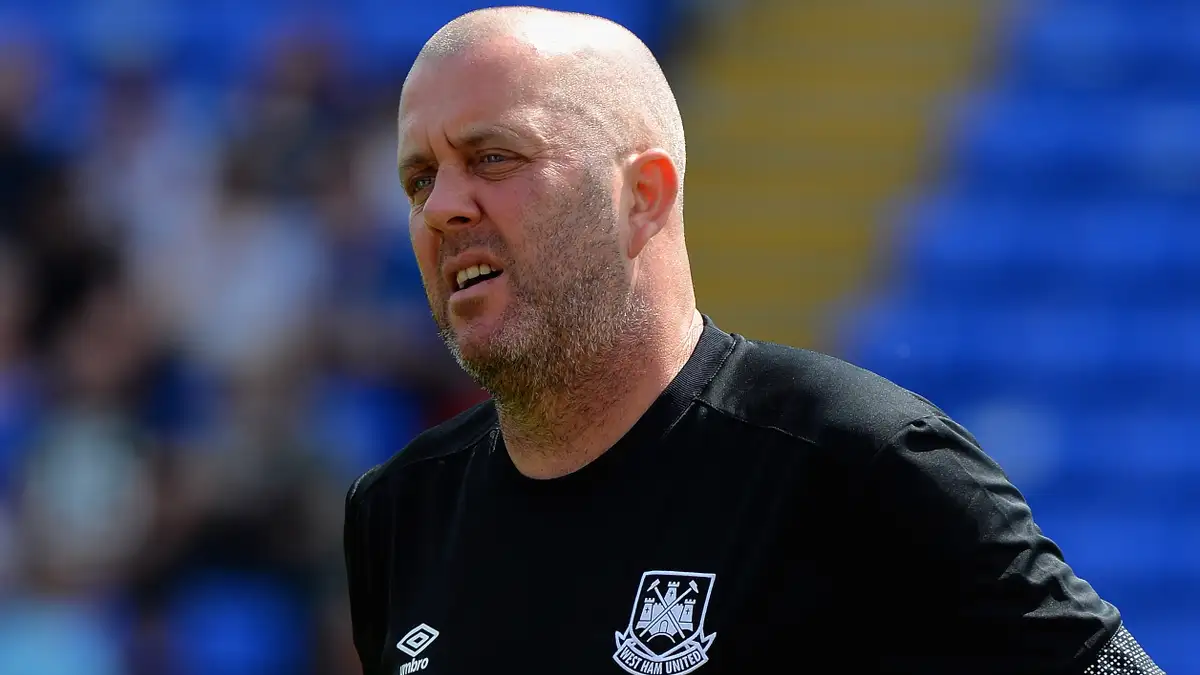
West Ham United legend Julian Dicks has voiced his frustration over the club’s decision to leave their historic home at Upton Park, a move he claims has had lasting negative effects on the Hammers. Speaking candidly about the team’s struggles, Dicks did not hold back, insisting that the relocation to the Olympic Stadium essentially “killed the club.” With West Ham languishing in the bottom half of the Premier League table after 12 rounds of the 2025-26 campaign, tied on points with 18th-placed Leeds United, his words resonate with many supporters who share his sentiment.
Dicks, a former full-back who spent over a decade with the club across two stints, knows the emotional and cultural significance of Upton Park. The club’s departure from their long-standing home ground in 2016, after more than a century of history, was a turning point for many fans. The stadium was sold for £35 million ($46m) to Galliard Homes, and West Ham moved to the Olympic Stadium on a lease, a decision that has been controversial ever since.
‘Leaving Upton Park Killed the Club’

Aerial Views Of London Football Stadiums
Speaking to The Telegraph, Dicks reflected on the emotional impact of the move. “I’ve got so many memories there. I know it’s flats now and people probably think: ‘Oh he’s f—— nuts.’ But I do. I park my car and just walk about. I miss playing at Upton Park, for West Ham, every day. I think about it every day… and I believe leaving Upton Park killed the club. It’s how I feel. Unbelievable. They killed the club.”
Dicks was also critical of the club’s management since the move. “For what reason? They haven’t produced. They said Champions League and all this. F—— nowhere near it. They had a good manager in David Moyes. Wins a trophy for the first time in, what, 50 years? And they get rid of him. If it’s mutual then I understand if he went: ‘I’ve had enough.’ But if they were getting rid of him to push on, I don’t see it. Because he always finished in the top half, he won the trophy. Now they are on to their third manager since he has gone. The grass ain’t always greener.”
His words capture the frustration of many long-term supporters who remember the club’s stability and connection to its local community prior to the move. Dicks’ perspective highlights the emotional dimension of football, showing how decisions off the pitch can resonate just as strongly as results on it.
Will Dicks Return to West Ham?
After a storied playing career at West Ham, Dicks returned in 2014 to manage the West Ham Women’s team for a season before joining the men’s first-team coaching staff under Slaven Bilic. He left the club in 2017 following Bilic’s sacking and has not returned since. When asked about a potential return, Dicks was unequivocal.
“If it was Upton Park, I would go. Olympic Stadium? No. They’ve asked me to be a club ambassador and stuff like that but nah. They are trying to do things on the cheap and if other players do it, then good luck to them. I’m not going to be part of that. I could do it if I wanted to but I choose not to because I think they’re taking the p—. The fans know how I feel about them. I do Q&As and stuff like that. I had a great career. I met some really good people and we lived a footballer’s life,” he said.
Dicks’ sentiment underscores the divide between the club’s current direction and the traditions that many of its former players and fans hold dear. While the Olympic Stadium provides a larger capacity and modern facilities, it has struggled to replicate the atmosphere and intimacy of Upton Park, a ground that had been a fortress for over a century.
Hammers Slowly Picking Up Form
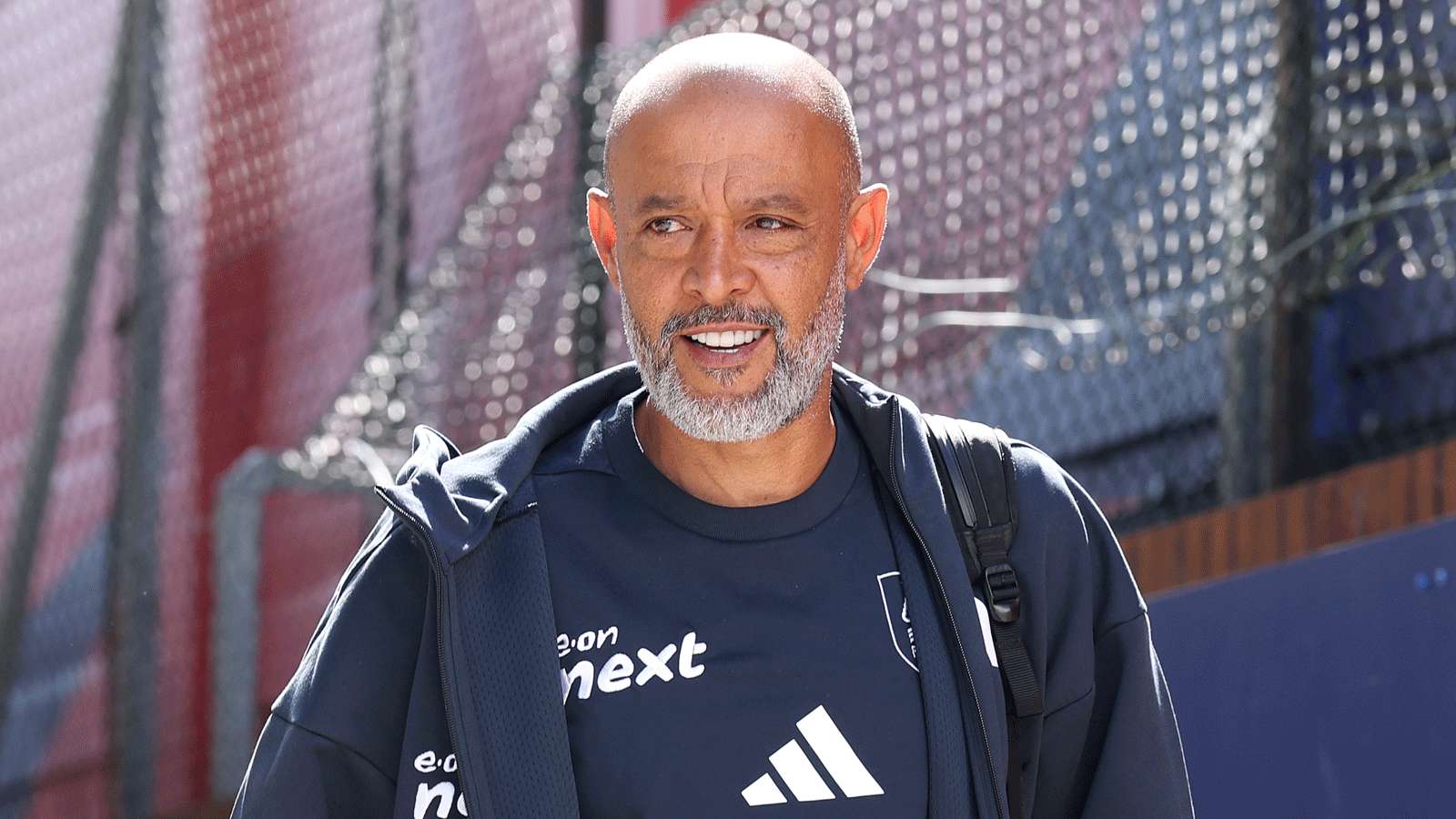
Despite a rocky start to the season, there are signs of progress under new management. West Ham won just one game out of their first six matches across all competitions, prompting the sacking of head coach Graham Potter in September. The club appointed Portuguese manager Nuno Espirito Santo, who previously managed Nottingham Forest and Wolves, in an effort to stabilize the team.
Espirito Santo has slowly brought consistency to the squad. While he took time to settle in, West Ham has now remained unbeaten in their last three Premier League matches, including notable victories over Newcastle and Burnley. The team will look to continue this run as they prepare to face reigning champions Liverpool, aiming to maintain momentum and climb the league table.
Reflecting on Upton Park and Club Identity
Nuno Espirito Santo
For many former players and fans, the move from Upton Park represents a deeper loss than just a stadium. It symbolized a break from tradition, a disruption of the club’s identity, and a disconnect with its community. Dicks’ reflections make it clear that he sees the club’s current struggles as a continuation of that disruption.
“I park my car and just walk about,” he said, referring to the old Upton Park site now converted into residential flats. “I miss playing at Upton Park, for West Ham, every day. I think about it every day… and I believe leaving Upton Park killed the club. It’s how I feel. Unbelievable. They killed the club.”
His words resonate with supporters who remember the unique atmosphere that Upton Park generated, the intimacy of the terraces, and the deep connection between the club and its local East London community. The move to the Olympic Stadium, while financially lucrative, has not managed to recreate that special bond.
The Impact on Management and Performance
Dicks also pointed to the instability in managerial appointments since the departure of David Moyes. Moyes had delivered a historic trophy for the club, winning the first in 50 years, yet he was dismissed despite his consistent top-half finishes. The club has since cycled through three managers, reflecting a lack of long-term planning and continuity.
“They had a good manager in David Moyes. Wins a trophy for the first time in, what, 50 years? And they get rid of him,” Dicks said. “Now they are on to their third manager since he has gone. The grass ain’t always greener.”
The managerial churn has contributed to the team’s poor start to the season, and the current squad is still adapting to Espirito Santo’s tactics and philosophy. However, there is cautious optimism that the new coach can steady the ship and guide West Ham back toward mid-table stability or higher.
Looking Ahead
West Ham’s immediate challenge will be maintaining the unbeaten streak and stabilizing performance across the Premier League campaign. Matches against top-tier teams, including Liverpool, will test the squad’s resilience and ability to implement Espirito Santo’s vision.
For former players like Dicks, the future of the club remains tied to its identity and connection with supporters. His reflections remind us that football is as much about heritage and community as it is about results on the pitch. Until the club can reconcile the move from Upton Park with the expectations of its fans and former legends, debates about the “soul” of West Ham are likely to continue.
Dicks’ words offer a sobering reminder that the decisions made off the field can reverberate for years. While the Olympic Stadium provides opportunities for growth and modernization, the legacy of Upton Park, its memories, and its culture remain a benchmark against which the club is measured. For Julian Dicks, and many supporters, the loss is still deeply felt, a poignant echo of what once was.


There are no comments yet. Be the first to comment!